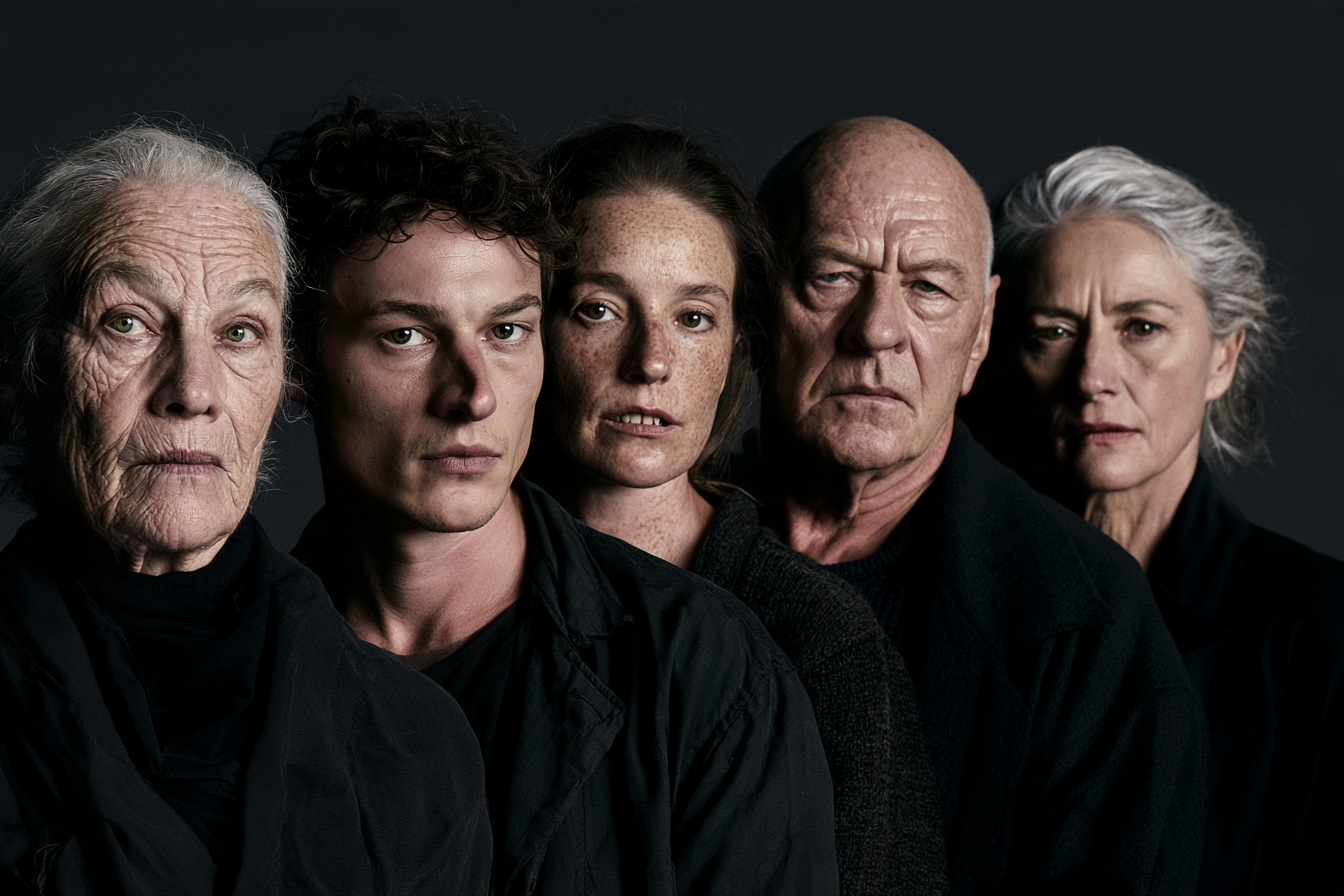
AI is extremely good at generating attractive faces.
That is part of the problem.
Ask an image model for a beautiful young person and you may get:
- Smooth skin
- Symmetrical features
- Defined cheekbones
- Perfect teeth
- Glossy hair
- Balanced proportions
- Fashion-model styling
The result can look impressive.
But generate ten more images and something becomes obvious.
Many of the faces begin to feel strangely familiar.
Not because they are the same person.
Because they are variations of the same visual ideal.
For creators building recurring AI characters, this can become a serious limitation.
A character does not only need to look good.
They need to be recognizable.
And in many cases, a more distinctive face can be far more useful than a conventionally perfect one.
The Difference Between Attractive and Recognizable
Attractiveness and recognizability are not the same thing.
A face can be beautiful without being memorable.
A face can also be unusual without being exaggerated.
Recognizability comes from a set of visual features that make a person feel specific.
That might include:
- A distinctive nose
- Unusual eye spacing
- Strong eyebrows
- A recognizable jawline
- A unique face shape
- Natural asymmetry
- Freckles
- Vitiligo
- A gap between the teeth
- Age lines
- A specific hairline
- Distinctive body proportions
These features act like identity anchors.
They give both the viewer and the generative model something concrete to recognize.
At Refera Studios, this is a core part of the product philosophy. The catalog is deliberately designed to include both conventionally attractive and distinctly unconventional characters, because default AI generation already makes polished, attractive faces relatively easy to produce. Harder-to-prompt identities can create a stronger visual signature.
Why Generic AI Faces Can Blur Together
Many generative systems are very good at producing faces that sit close to common beauty standards.
That often means:
- Symmetry
- Clear skin
- Balanced facial proportions
- Youthful appearance
- Refined jawlines
- Large eyes
- Small noses
- Smooth texture
There is nothing inherently wrong with that aesthetic.
The problem appears when too many characters share it.
If every character has:
- Similar facial proportions
- Similar age
- Similar skin texture
- Similar expressions
- Similar styling
- Similar body type
then the differences between them become smaller.
The result is a catalog of people who look individually polished but collectively interchangeable.
For recurring characters, that is not ideal.
A strong character should feel like an individual, not a variation.

Distinctive Anatomy Creates Identity Anchors
One of the best ways to make a character more recognizable is through anatomy.
A face is defined by relationships between features.
For example:
- How far apart are the eyes?
- How wide is the jaw?
- How high are the cheekbones?
- How prominent is the nose?
- How long is the face?
- How strong is the chin?
- How does the forehead relate to the lower face?
These proportions create identity.
A face with slightly wide-set eyes and a narrow chin may immediately feel different from one with close-set eyes and a broad jaw.
Neither needs to be extreme.
The distinction only needs to be clear enough to create a recognizable visual pattern.
That is especially valuable when the character appears in different settings.
A strong facial structure can remain recognizable even when:
- Clothing changes
- Hair changes slightly
- Lighting changes
- The background changes
- The camera moves
That is what makes anatomy such a useful part of character design.
Asymmetry Can Make a Character Feel More Real
Real faces are not perfectly symmetrical.
One eyebrow may sit slightly higher.
One eye may open more than the other.
The smile may pull more strongly to one side.
The nose may lean subtly.
The jaw may not be perfectly balanced.
These differences are normal.
They are also useful.
Perfect symmetry can make a character feel polished, but it can also reduce individuality.
Subtle asymmetry gives the face something specific.
It helps move the character away from the feeling of a generic generated person and toward the feeling of an individual.
Refera’s character quality principles explicitly value subtle natural asymmetry and imperfections where appropriate, because they can increase realism and identity.
That is an important distinction.
Imperfection is not necessarily a defect.
In character design, it can be information.
Skin Characteristics Can Strengthen Identity
Skin is another powerful identity anchor.
Generative AI often defaults toward highly polished skin.
But real people have variation.
That can include:
- Freckles
- Birthmarks
- Vitiligo
- Age lines
- Uneven pigmentation
- Moles
- Texture
- Scarring
- Sun damage
- Natural tonal variation
These details can dramatically increase recognizability.
Imagine two otherwise similar characters.
One has completely uniform skin.
The other has a distinctive freckle pattern across the nose and cheeks.
Which one is easier to recognize later?
Usually the second.
Distinctive skin characteristics create landmarks.
They make the face easier to identify across multiple images and scenes.

Why Imperfections Can Help Character Consistency
This is where the relationship between character design and consistency becomes especially interesting.
A generic face may have fewer strong identity markers.
If the model subtly changes the nose, jaw or eye shape, the character may still look attractive — but not necessarily like the same person.
A more distinctive face gives the generation process more visual anchors to preserve.
For example, a character might have:
- A specific eyebrow shape
- Slight facial asymmetry
- A prominent nose
- A recognizable chin
- A distinctive skin pattern
If those features remain stable, the viewer is more likely to perceive the identity as consistent.
This does not mean distinctive faces automatically solve identity drift.
They do not.
Reference quality, model behavior and workflow still matter.
But a clear visual identity gives consistency something stronger to preserve.
Memorable Characters Need More Than a Pretty Face
A character is not just a face.
Hair, body shape, posture and styling also contribute to identity.
A more complete character may have:
- A distinctive hairstyle
- A recognizable silhouette
- Specific body proportions
- Consistent posture
- Signature accessories
- A recurring styling language
The more coherent these elements are, the more memorable the character becomes.
This is particularly useful in video.
The face may not always be fully visible.
A character can appear:
- In a wide shot
- From behind
- In profile
- In shadow
- In motion
- At a distance
If the character is only recognizable in a close-up, the identity may be too dependent on facial detail.
A stronger design survives more situations.

Distinctive Does Not Mean Exaggerated
There is an important balance.
A memorable character does not need to look bizarre.
Distinctive design can be subtle.
A small amount of asymmetry.
An unusual but believable nose.
A stronger jaw.
A wider forehead.
A specific skin pattern.
A slightly uncommon body proportion.
That may be enough.
The goal is not to stack unusual traits until the character becomes unrealistic.
The goal is to create specificity.
A good test is to ask:
Could I describe what makes this person visually different from the others?
If the answer is no, the character may still be too generic.
Why This Matters Even More in AI Video
In a single image, a generic face can work perfectly well.
The viewer sees the image once.
There may be no need to recognize the person again.
Video changes that.
If the same character appears across:
- Multiple shots
- Different camera angles
- New environments
- Different clothing
- Different lighting
the audience needs to understand that it is still the same individual.
That is where stronger identity becomes valuable.
The character needs to survive variation.
Refera’s broader character philosophy explicitly states that characters should remain recognizable across clothing, environments, expressions, camera angles and generated productions.
That is much closer to casting a performer than generating a single portrait.
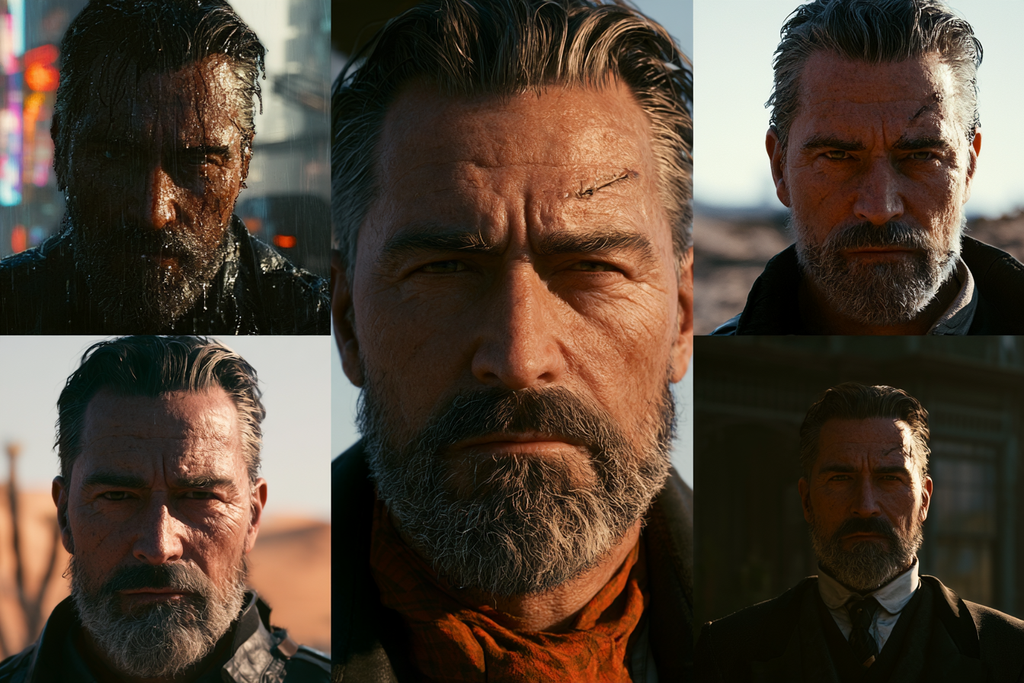
Generic Faces Are Easy to Generate. Distinctive Identities Are Harder.
This is also important commercially.
If a creator can generate hundreds of polished generic faces with almost no effort, there is less reason to buy one.
The value changes when the identity is more difficult to reproduce.
A character with:
- Specific facial anatomy
- Distinctive skin
- Recognizable body proportions
- Natural imperfections
- A consistent visual identity
is harder to recreate casually from a simple prompt.
That makes the character more useful as a reusable asset.
This is one of Refera’s stated strategic differentiators: basic attractive faces are becoming increasingly commoditized, while distinctive, hard-to-prompt identities offer a stronger basis for differentiation.
Think Like a Casting Director, Not a Beauty Filter
A useful shift in mindset is to think about AI characters the way a casting director might think about actors.
A casting director is not only asking:
“Who is the most conventionally attractive person?”
They are asking:
- Who fits this role?
- Who is memorable?
- Who has presence?
- Who looks different from the rest of the cast?
- Who will audiences recognize immediately?
That same logic can improve AI character design.
A cast becomes more believable when different characters have:
- Different ages
- Different face shapes
- Different builds
- Different skin characteristics
- Different hairstyles
- Different energy
- Different visual presence
The goal is not perfection.
The goal is differentiation.

How to Design a More Distinctive AI Character
A practical process might look like this.
1. Start With the Face Shape
Choose something clearly defined.
Round, long, heart-shaped, broad, narrow or angular.
2. Pick One or Two Strong Facial Anchors
For example:
- Wide-set eyes
- Strong nose
- Heavy brows
- Distinctive jaw
3. Add Natural Asymmetry
Keep it subtle.
The aim is realism, not distortion.
4. Add Skin Character
Consider freckles, age lines, vitiligo, moles or natural texture where appropriate.
5. Think About Age
Do not automatically default to a smooth-skinned 25-year-old.
Age creates identity too.
6. Define the Silhouette
Think about height, build, shoulder width and posture.
7. Give the Character a Styling Language
Hair, clothing and accessories should support the identity rather than replace it.
8. Test the Character Across Different Conditions
Try:
- Close-up
- Profile
- Full-body
- Daylight
- Low light
- Different clothing
If the character still feels clearly recognizable, the design is working.
Avoid Relying on One Visual Gimmick
One warning: distinctive does not mean gimmicky.
If the entire identity depends on one accessory — such as red glasses or a particular hat — then the character may become difficult to recognize without it.
The strongest characters usually combine several subtle identity signals.
For example:
- A recognizable face shape
- A specific nose
- Slightly asymmetric brows
- A distinctive build
- A consistent hairstyle
Together, those details create identity.
That is stronger than one removable visual trick.

Distinctive Characters Build Better Digital Casts
This becomes even more important when you create multiple characters.
A digital cast should not feel like the same face wearing different clothes.
Each person should have a clear place in the visual lineup.
Refera’s quality principles explicitly require each character to be clearly distinguishable from the others in the catalog.
That makes the collection more useful.
A creator can choose characters based on role, visual energy and identity instead of simply choosing between small variations of the same person.
Final Thoughts
Generative AI makes beautiful faces easy.
But beauty alone is not a strong character strategy.
The most useful fictional AI characters are often the ones with clear identity anchors.
That can come from:
- Memorable anatomy
- Natural asymmetry
- Distinctive skin characteristics
- Age
- Body proportions
- Hairstyle
- Silhouette
- Styling
- Imperfections
These details make a character easier to recognize.
They can also make the character feel more human.
And for creators working across multiple AI images or video shots, that recognizability matters.
The question is not simply:
“Does this character look good?”
The better question is:
“Would I recognize this character again?”
That is the difference between a generic generated face and a reusable fictional identity.
Discover Distinctive AI Characters
Refera Studios creates fictional characters designed to feel like recognizable individuals rather than interchangeable AI faces.
Each character is built around a distinct visual identity and structured reference material for reusable AI image and video workflows.
Less generic.
More recognizable.
More reusable.
Discover → Purchase → Create.
Products by Category
-
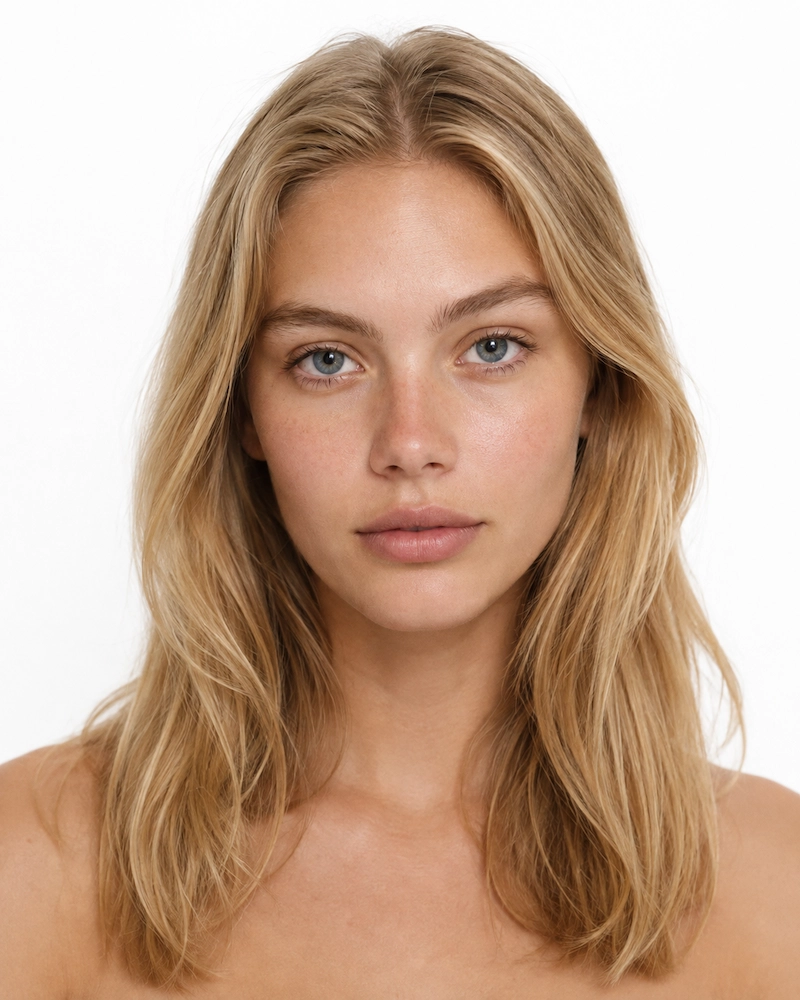
F-0001 AVA
€ 6,99 -
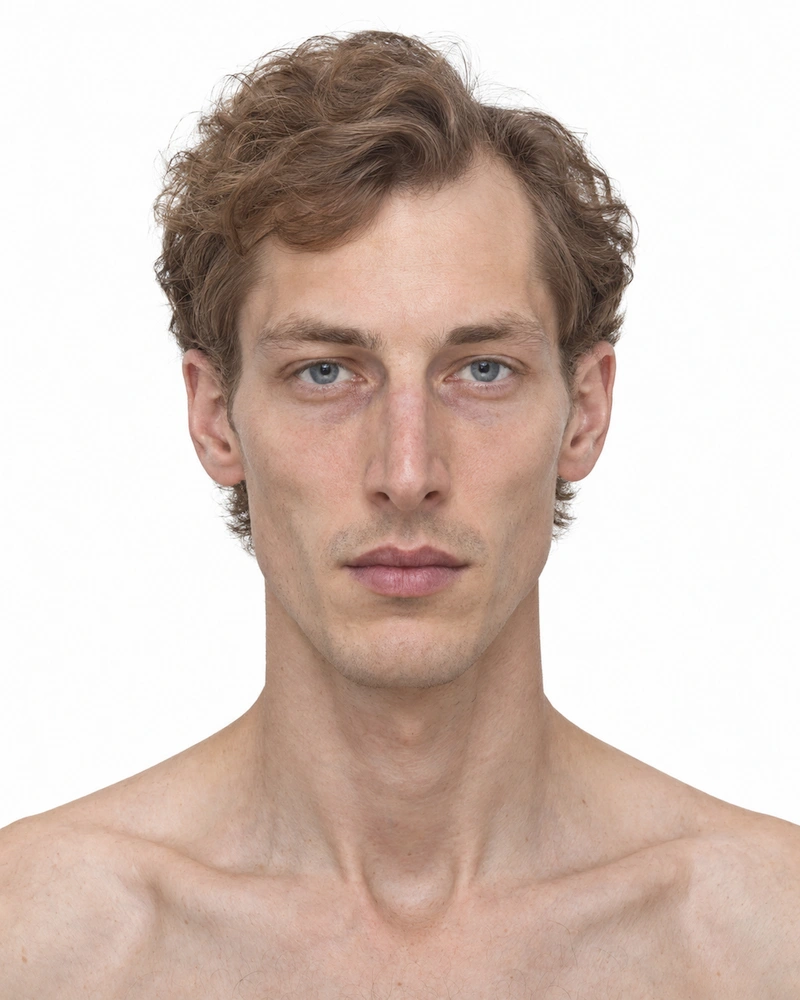
M-0002 ELIAS
€ 6,99 -
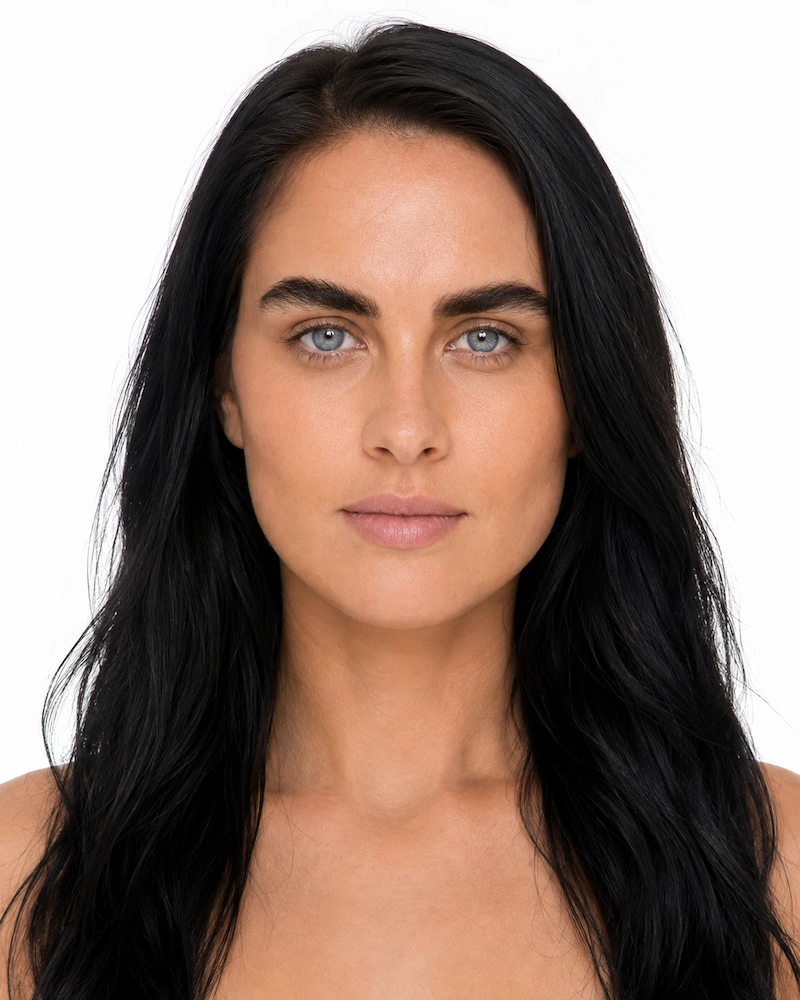
F-0002 NADYA
€ 6,99 -
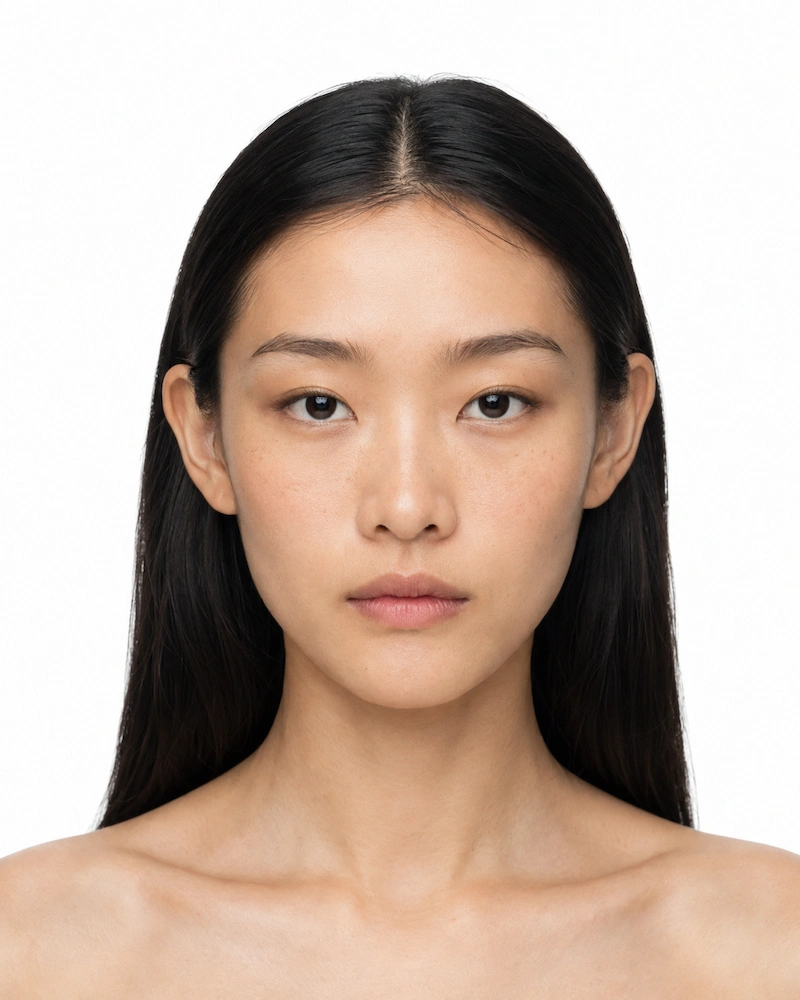
F-0003 MAYA
€ 6,99 -
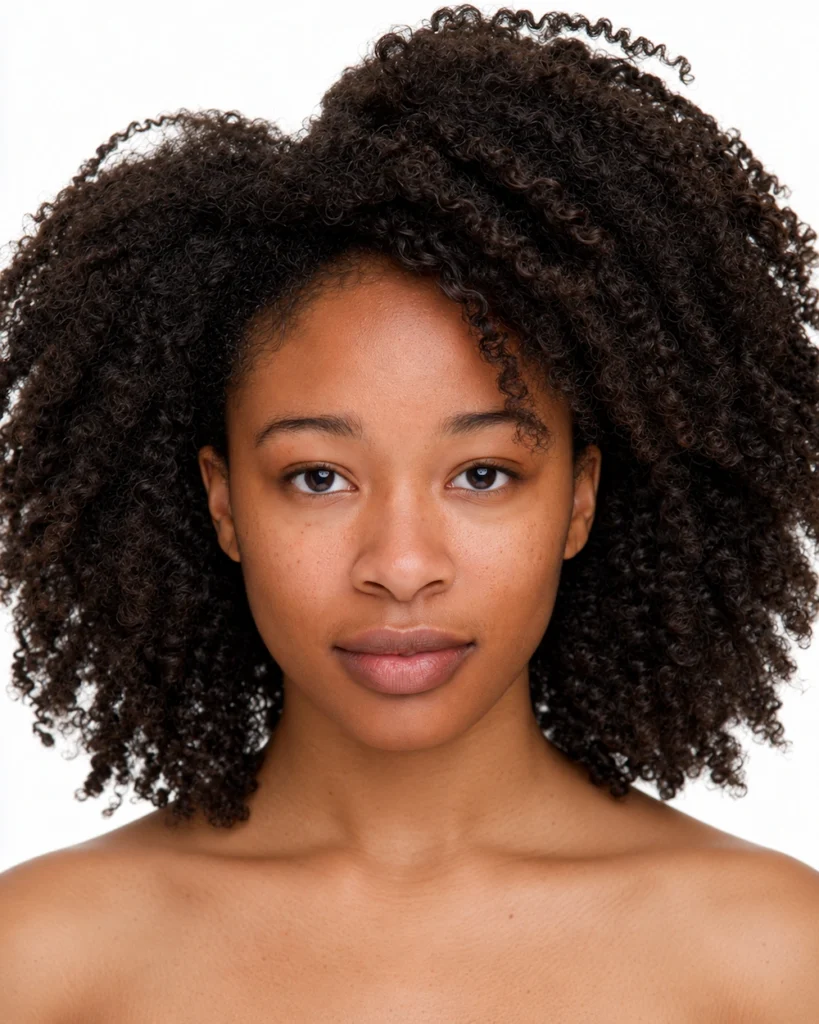
F-0004 ZURI
€ 6,99 -
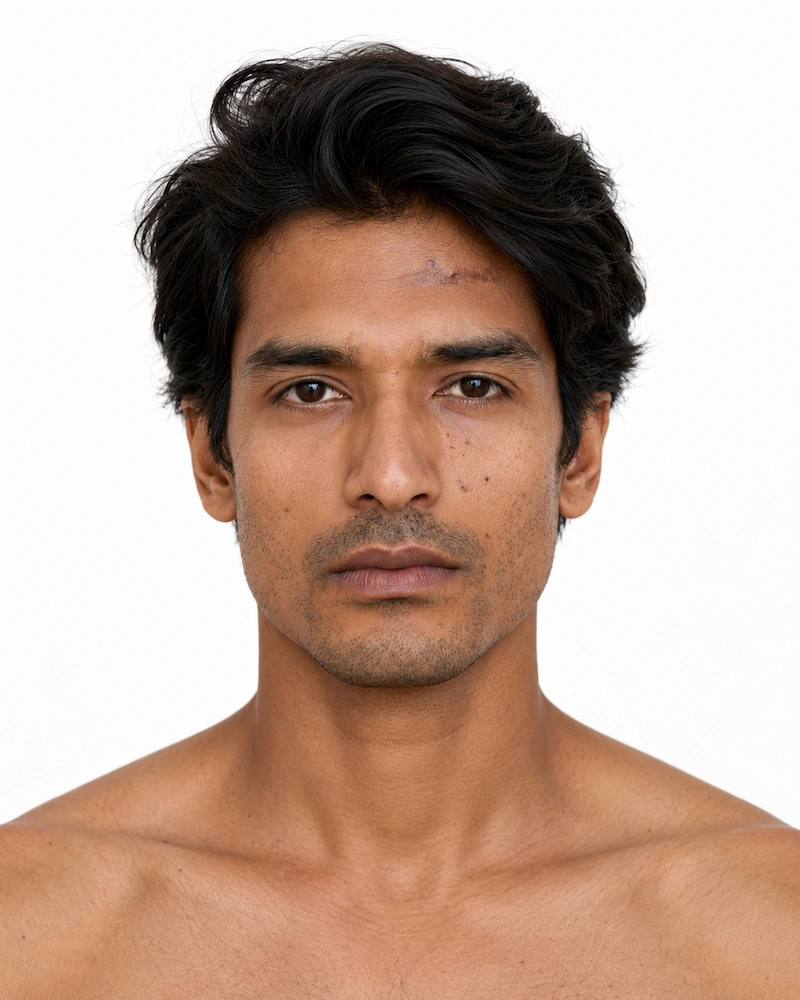
M-0004 ARUN
€ 6,99 -
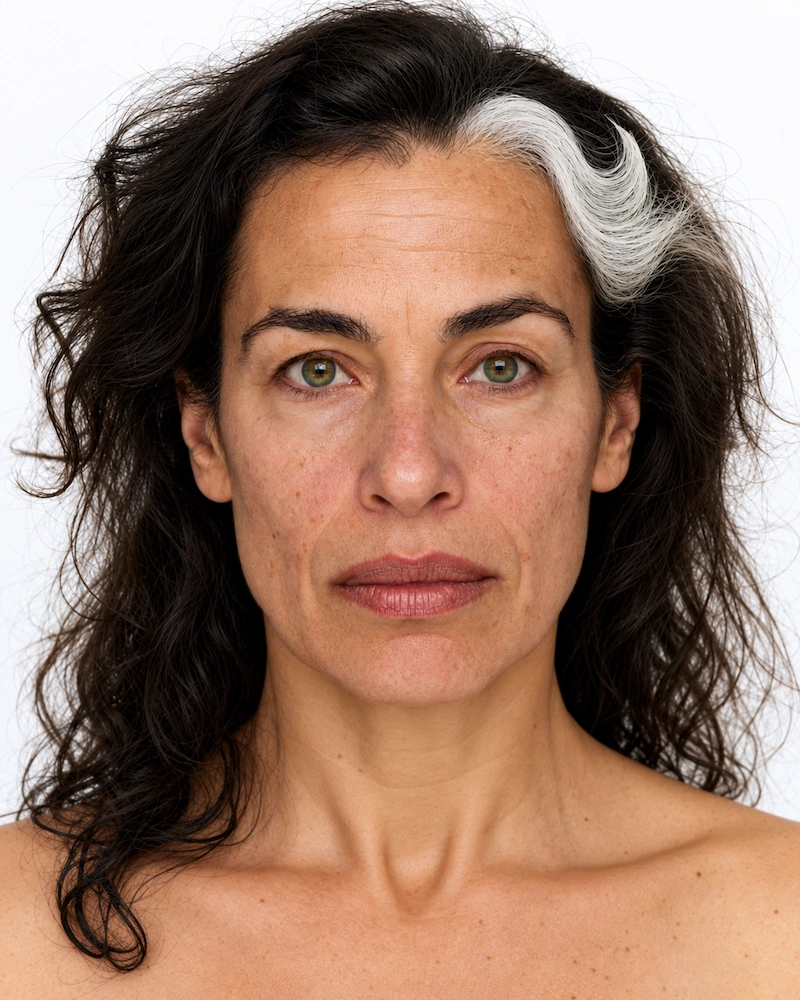
F-0005 SOFIA
€ 6,99 -
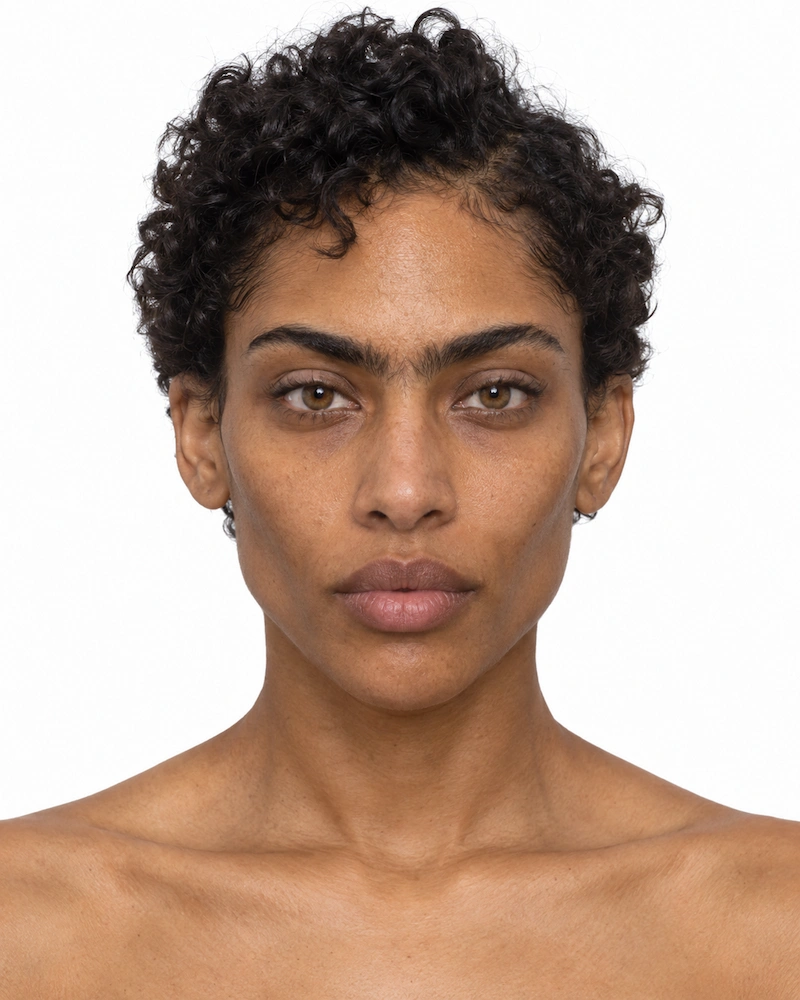
F-0020 NYX
€ 6,99 -
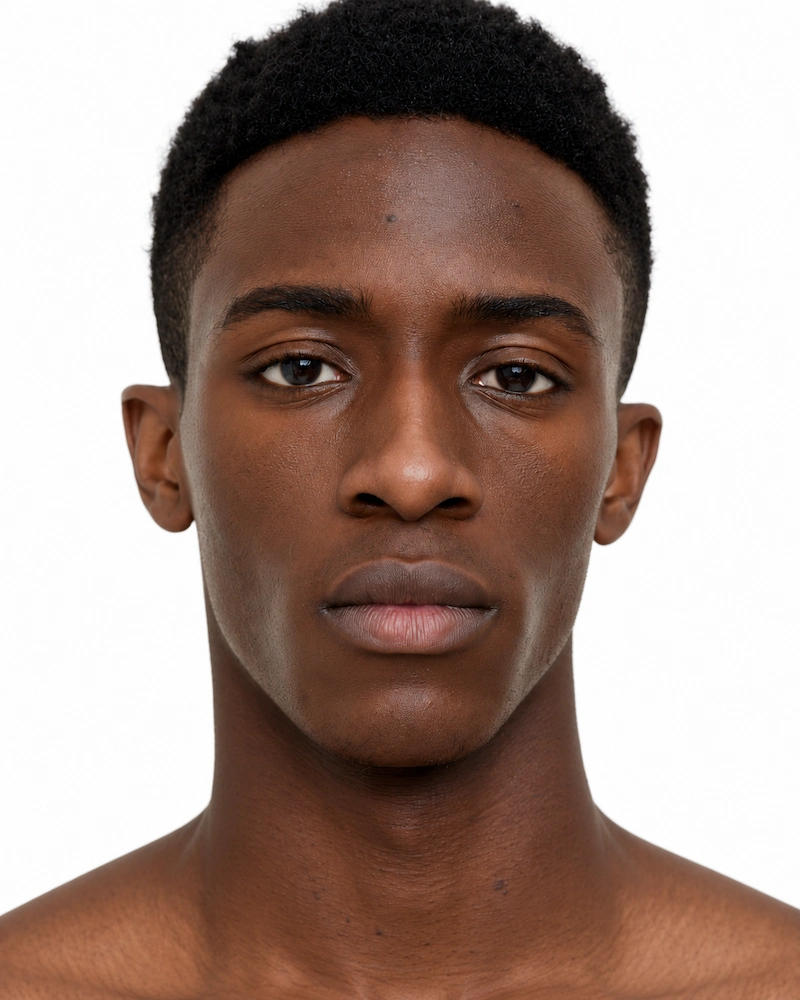
M-0003 MALIK
€ 6,99