Seedance 2.5 vs Veo 3.1: Which AI Video Model Should You Use?
Seedance 2.5 and Google Veo 3.1 are two powerful AI video models, but they approach creative production differently. Compare their capabilities for character consistency, cinematic…

Seedance 2.5 and Google Veo 3.1 are two powerful AI video models, but they approach creative production differently. Compare their capabilities for character consistency, cinematic…
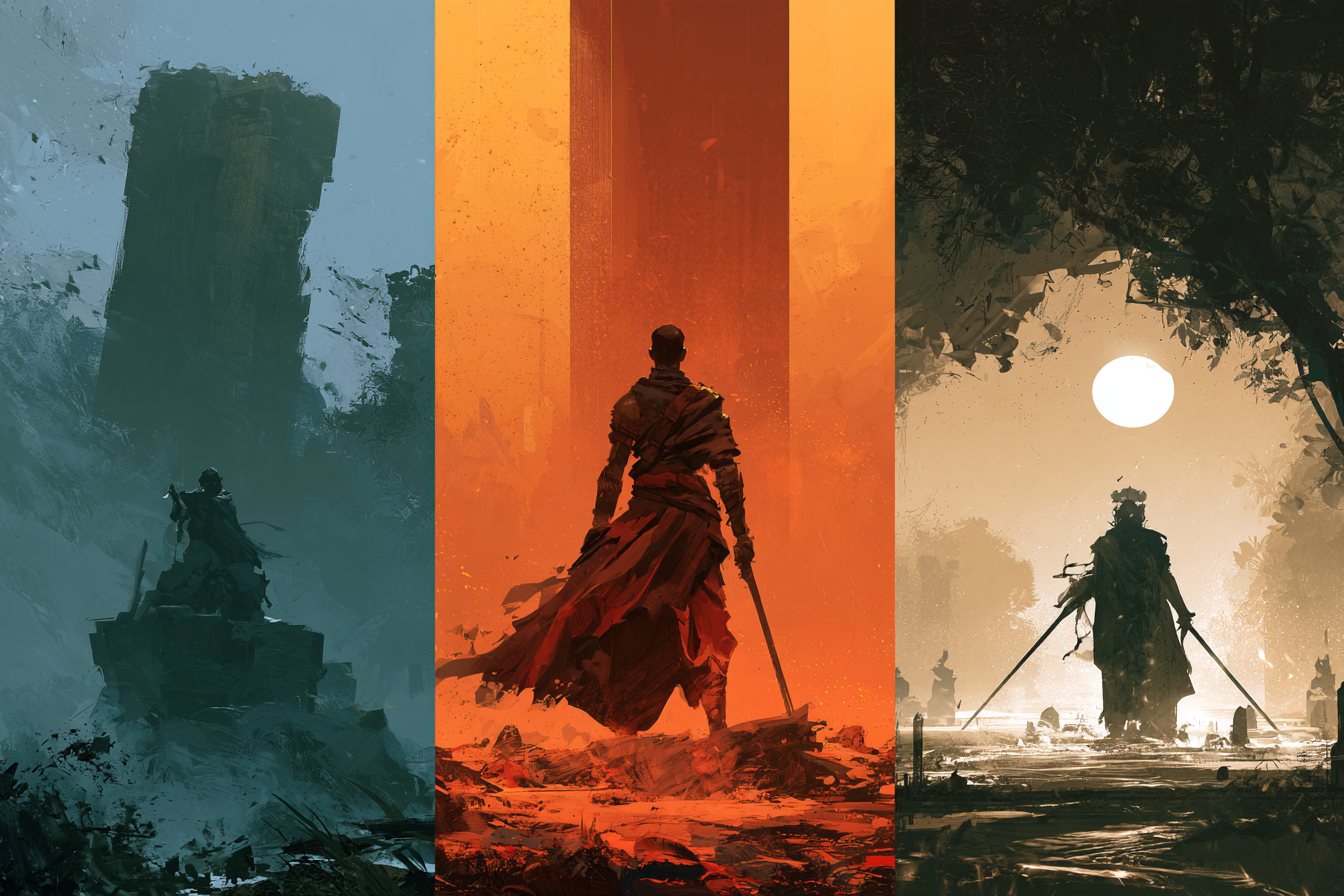
Great AI videos start with compelling characters. Discover 10 creative character archetypes—from outsiders and antiheroes to detectives, performers and mysterious strangers—and learn how to turn…
Google Veo 3.1 is a high-fidelity AI video model built for cinematic generation, native audio, reference-driven character work and greater creative control. Here is a…

Seedance 2.5 is ByteDance’s latest AI video generation model, built around longer storytelling, multimodal references and greater creative control. Here’s a practical guide to what…
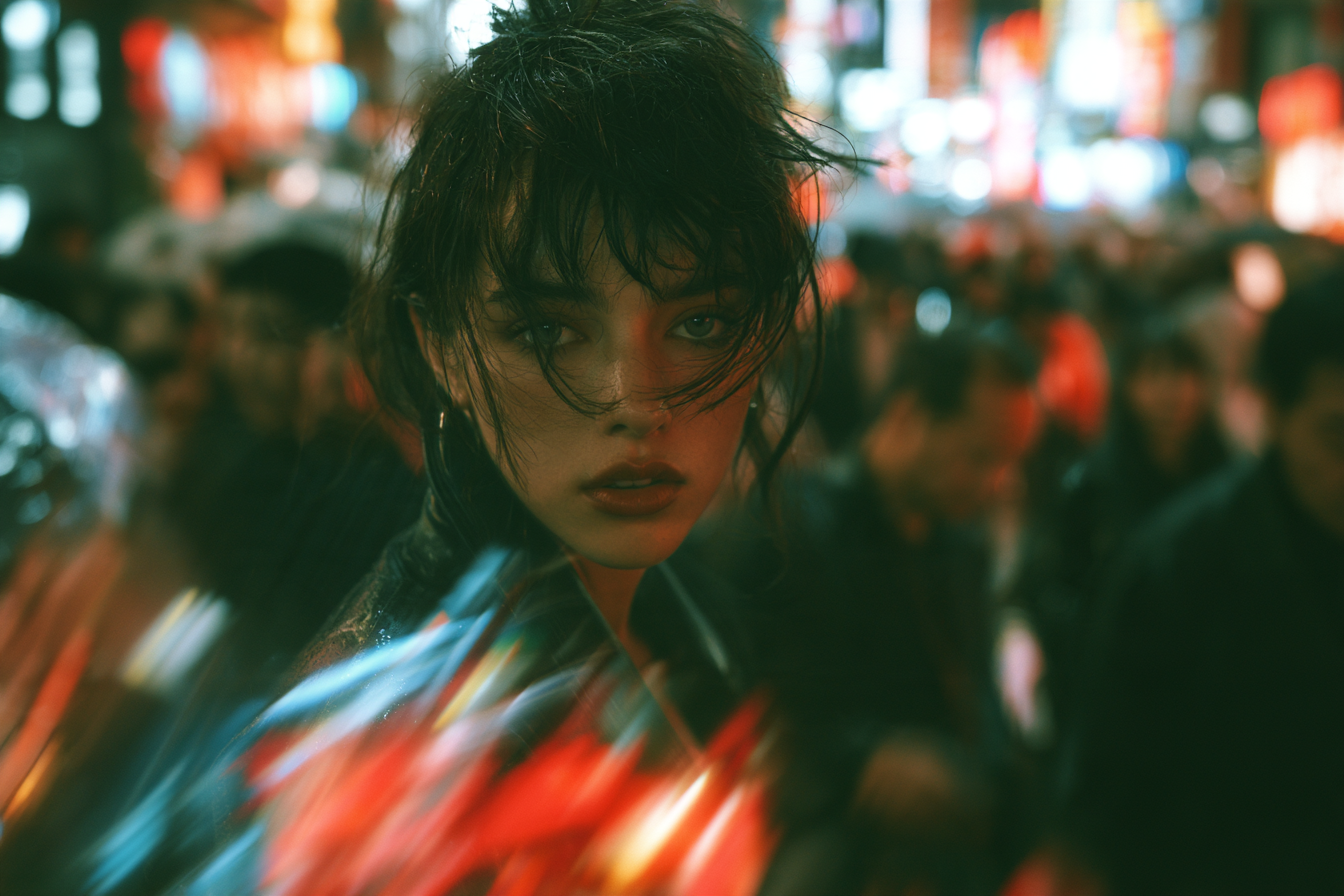
Better AI videos often start before the prompt. By defining a character’s appearance, personality, motivation, wardrobe and world first, creators can produce more coherent, memorable…
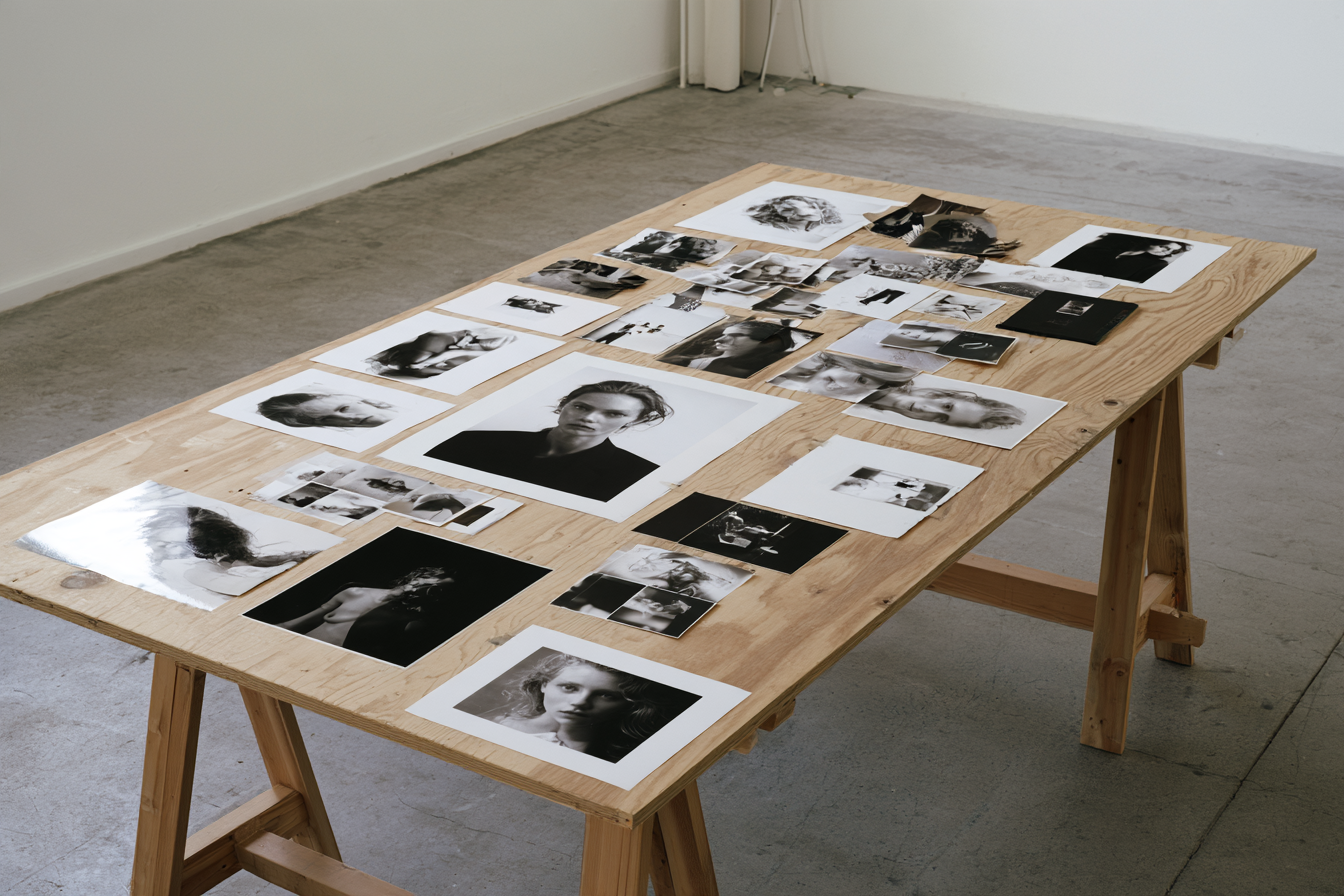
How many reference images do you actually need for a consistent AI character? The answer depends on the model, camera angles and complexity of your…
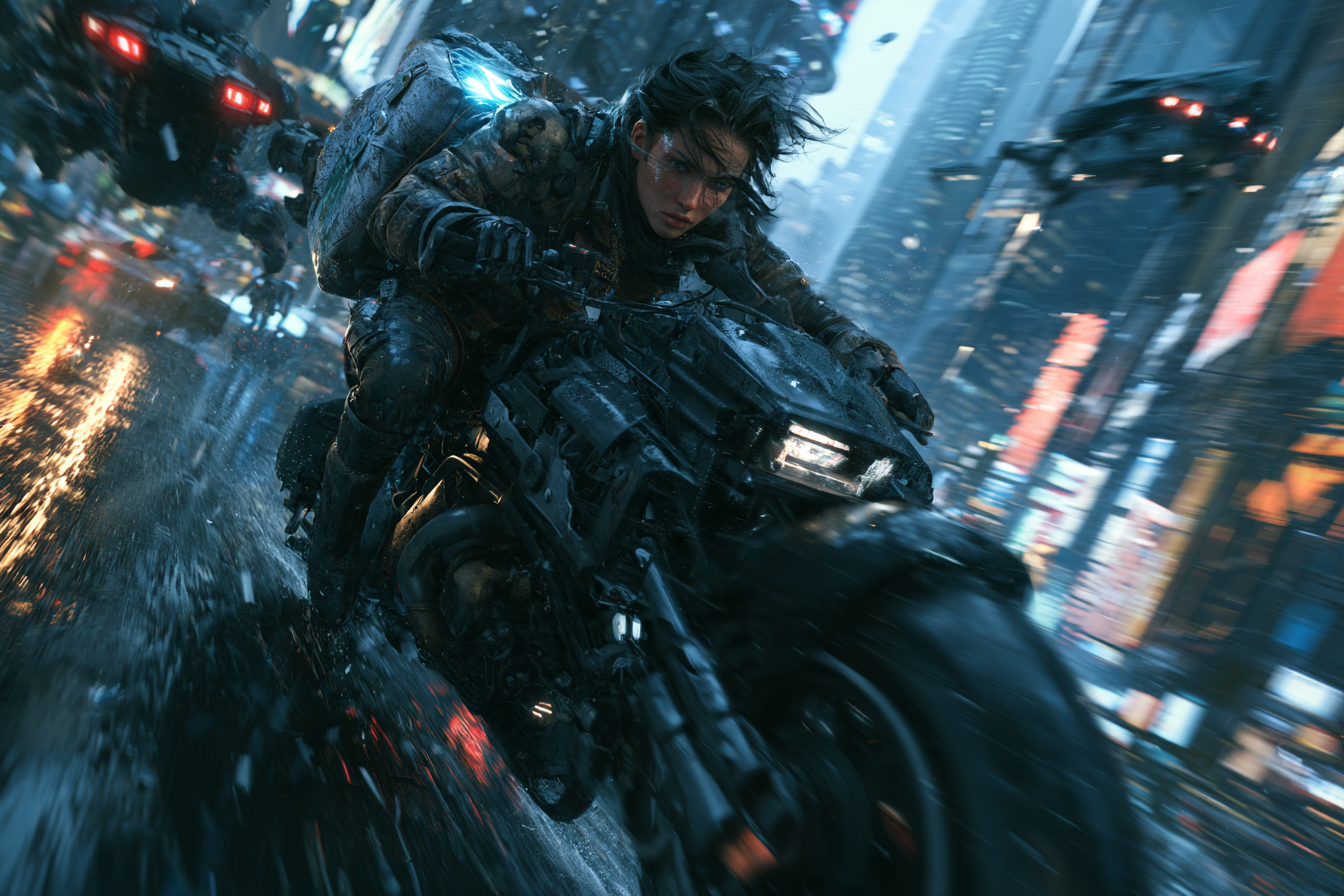
Looking for a strong character idea for your next AI video? Here are 20 creative concepts — from futuristic couriers and retired spies to eccentric…
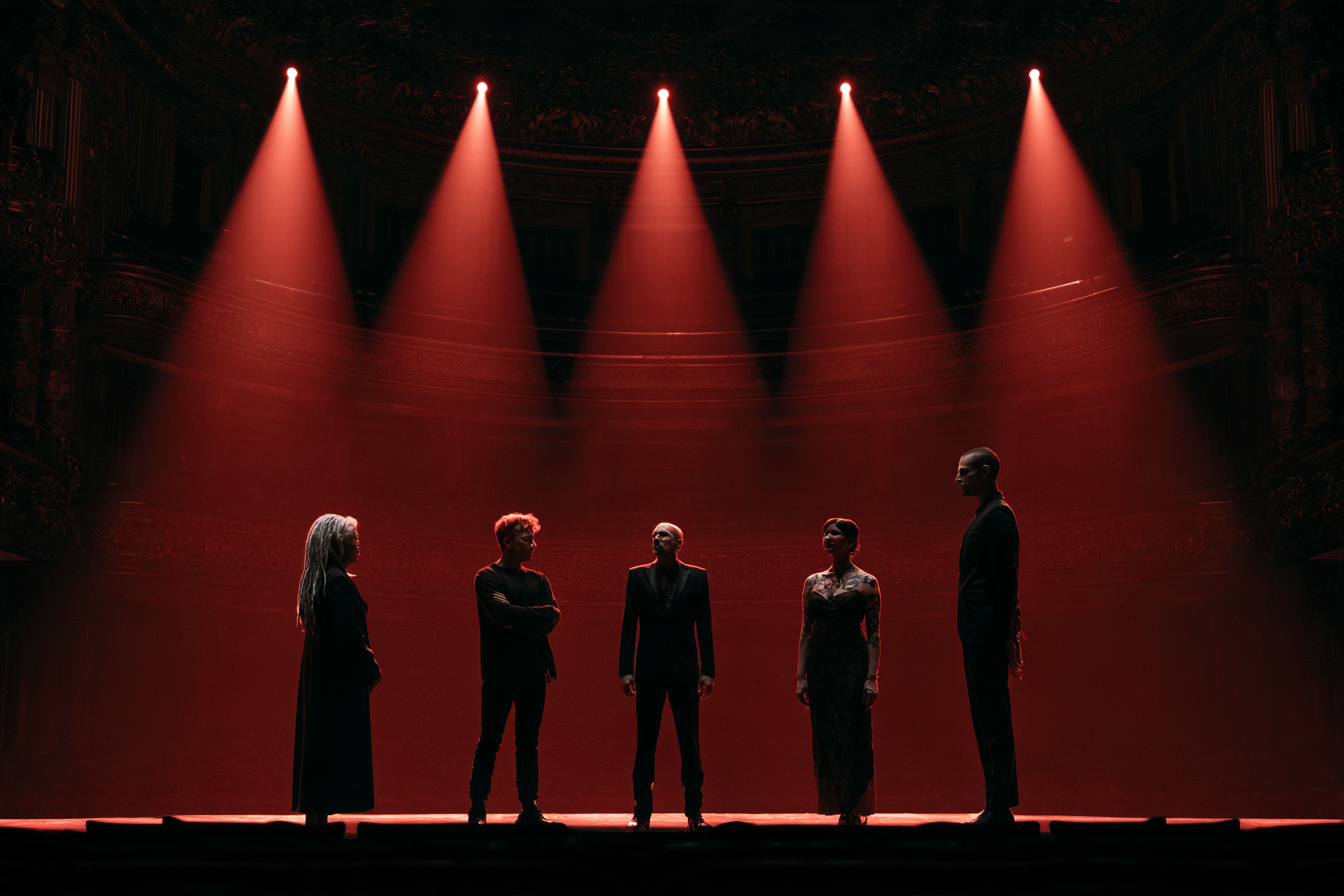
Generic AI characters are easy to generate — memorable ones take more thought. Learn how small decisions around facial features, age, hair, styling, accessories, body…

Identity drift in AI video happens when a character gradually changes appearance between frames, shots or scenes. Learn why facial features, hair, body proportions and…
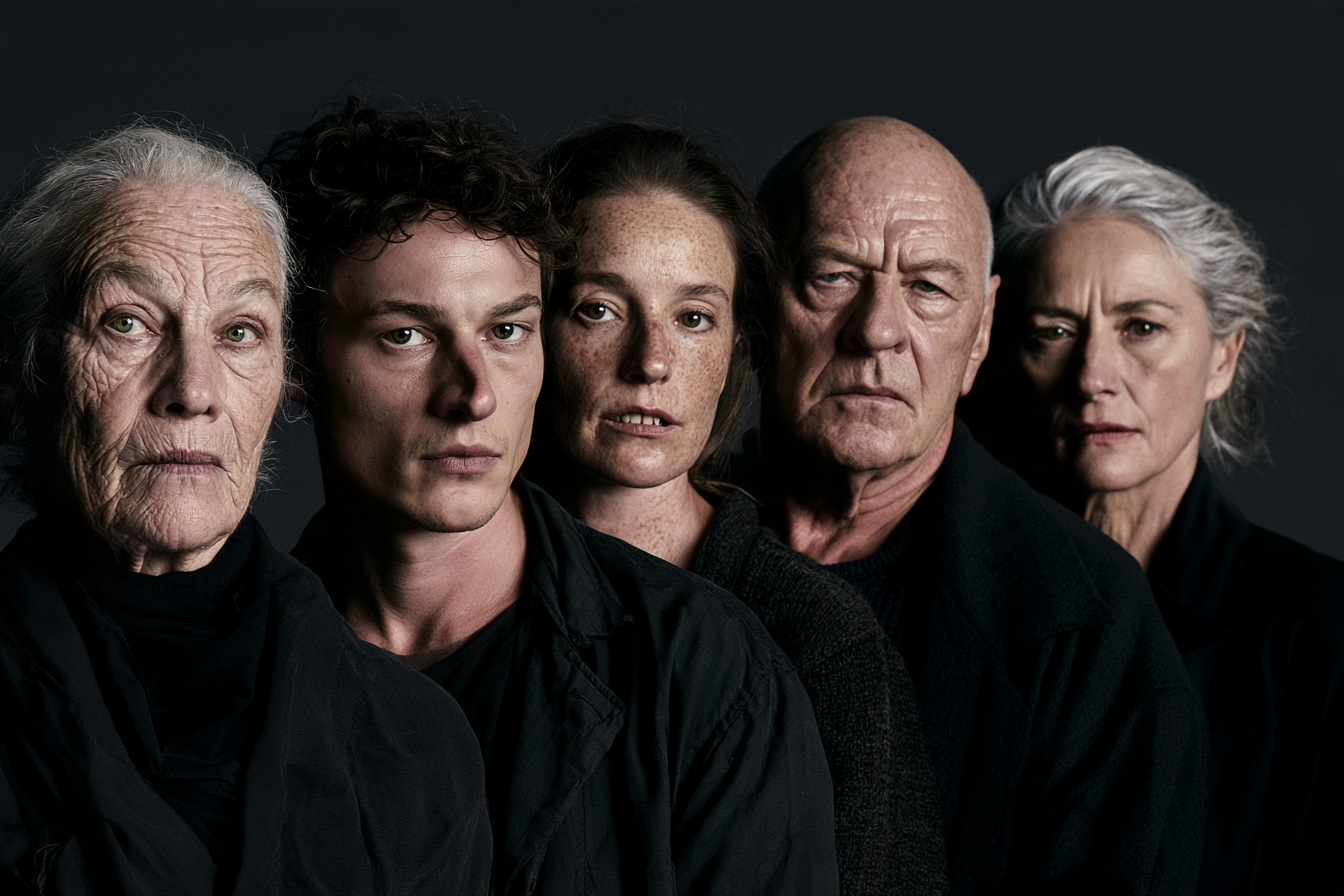
Generic AI faces can look polished but often feel interchangeable. Distinctive anatomy, asymmetry, skin characteristics and other identity anchors can make fictional characters more recognizable,…