
AI can generate beautiful people almost instantly.
That is both its strength and its problem.
Open almost any image-generation tool and you can create polished portraits with perfect skin, symmetrical faces, idealized proportions and cinematic lighting in seconds.
The results can be impressive.
But impressive does not necessarily mean memorable.
A character can be attractive, technically flawless and beautifully rendered — and still disappear from your memory five minutes later.
That is because a memorable character needs more than beauty.
They need identity.
They need visual traits that make them recognizable.
They need personality.
They need a silhouette.
They need styling that feels intentional.
And often, they need imperfections.
If you want to create AI characters for films, virtual influencers, advertising, recurring social content or generative storytelling, this distinction matters enormously.
You are not just trying to create a good image.
You are trying to create someone people will remember.
The Problem With the Generic AI Face
Generative models are very good at producing conventionally attractive faces.
Smooth skin.
Balanced proportions.
Symmetrical features.
Defined cheekbones.
Perfect teeth.
Glossy hair.
The problem is that many of these faces begin to feel interchangeable.
You may generate ten impressive portraits and still struggle to remember which face belonged to which character.
Why?
Because recognizability comes from difference.
A character becomes memorable when they have features that separate them from everyone else.
That does not mean they need to look extreme or unrealistic.
It simply means they should feel like a specific person rather than an idealized average.
At Refera Studios, this is a central part of the character philosophy: characters are designed with individual facial anatomy, body proportions, skin characteristics, age characteristics and subtle natural asymmetry rather than aiming for a catalog of stereotypical “perfect AI influencers.”
That principle is useful for anyone creating AI characters.

Start With a Recognizable Face
The face is usually the first place people look.
So the first question should not be:
“Is this character attractive?”
A better question is:
“Would I recognize this person again?”
Look for distinctive visual anchors.
These might include:
- Wide-set eyes
- A prominent nose
- Strong eyebrows
- A narrow chin
- A broad jaw
- High cheekbones
- A distinctive hairline
- Freckles
- Vitiligo
- A gap between the teeth
- A slightly crooked smile
- Asymmetry
- Age lines
- Unusual eye color
- A specific facial proportion
You do not need all of these.
In fact, too many exaggerated traits can make the character feel designed rather than believable.
Usually, a few strong identity anchors are enough.
The aim is to create a face that feels individual.
Imperfections Create Identity
One of the easiest ways to make an AI character less memorable is to remove every imperfection.
Perfect symmetry sounds desirable.
But real people are rarely perfectly symmetrical.
One eyebrow sits slightly higher.
One eye opens a little wider.
A nose leans subtly to one side.
Skin texture varies.
A smile is uneven.
These tiny differences help us recognize people.
When every feature is polished toward an ideal, a character can become visually generic.
This is why imperfections are so valuable in character design.
They add realism.
But more importantly, they add identity.
Refera’s character strategy deliberately includes distinctive and unconventional characteristics because such features are harder to reproduce casually and give each identity a stronger visual signature.
That does not mean every character needs a dramatic scar or unusual condition.
Subtlety often works better.
The goal is not to make the character strange.
The goal is to make them specific.

Think About Silhouette, Not Just the Face
A memorable character should ideally be recognizable before you can even see their facial details.
That is where silhouette becomes important.
Silhouette includes:
- Height
- Build
- Shoulder width
- Posture
- Hair shape
- Clothing shape
- General body proportions
Imagine seeing the character from across a room.
Would you still recognize them?
A very tall, narrow figure with long hair creates a different visual impression from a compact, athletic character with a shaved head.
These differences become especially important in AI video.
Characters are not always shown in close-up.
They may appear:
- Walking through a wide shot
- Standing in the background
- Seen from behind
- Moving through low light
- Framed in silhouette
If the character is recognizable only when their face fills the frame, the design may not be strong enough yet.
Give the Character a Styling Language
Clothing is one of the fastest ways to communicate character.
But there is a difference between simply choosing attractive clothes and creating a consistent styling language.
Ask:
- What would this person naturally wear?
- What colors suit their personality?
- Are they polished or careless?
- Minimal or expressive?
- Classic or experimental?
- Expensive or practical?
- Athletic or elegant?
A styling language does not mean the character wears the same outfit in every scene.
It means their clothing choices feel like they belong to the same person.
For example, a character might consistently gravitate toward:
- Oversized tailoring
- Muted colors
- Vintage sportswear
- Minimal black clothing
- Bright accessories
- Structured outerwear
- Delicate jewelry
- Worn-in denim
Those choices begin to tell a story.
Styling becomes part of identity.
Personality Should Influence Appearance
The strongest characters do not look like they were designed by selecting random attractive features.
Their appearance suggests something about who they are.
Imagine two characters.
One is meticulous, controlled and slightly intimidating.
Another is curious, impulsive and warm.
Even before either character speaks, you can communicate those differences through:
- Posture
- Expression
- Hair
- Clothing
- Accessories
- Grooming
- Color palette
- Environment
A memorable AI character should feel like they have a personality before the audience knows their backstory.
This does not mean relying on clichés.
A villain does not need to wear black.
A creative person does not need brightly colored glasses.
Subtle choices usually feel more believable.
The important thing is that the visual design feels coherent.

Build Around One or Two Signature Traits
Memorable character design often benefits from restraint.
Instead of trying to make every aspect unique, choose one or two traits that become strongly associated with the character.
For example:
- Distinctive silver hair
- A recognizable eyebrow shape
- A long tailored coat
- A shaved head with delicate jewelry
- A specific pair of glasses
- A strong freckle pattern
- A particular silhouette
- A recognizable hairstyle
These become visual shortcuts.
The audience sees the trait and quickly identifies the character.
This is especially useful in short-form AI video where viewers may only see the person for a few seconds.
Strong identity needs to communicate quickly.
Avoid Designing Only for One Perfect Portrait
This is a major trap.
You generate a character in perfect lighting, from the ideal angle, with flawless styling.
The image looks incredible.
But then you try to use the character in another scene and the design falls apart.
A reusable AI character needs to work in more than one controlled image.
Test the character in:
- Close-up
- Profile
- Three-quarter view
- Full-body
- Low light
- Daylight
- Different clothing
- Different environments
- Different expressions
If the character only looks distinctive under one exact setup, they may not yet be production-ready.
Refera’s own quality principles emphasize that characters should remain recognizable across different clothing, environments, expressions and camera angles.
That is a useful benchmark for any character creator.

Use Age as a Design Tool
AI character generation often defaults toward a narrow age range.
Young adult.
Smooth skin.
Fashion-ready.
But age can be one of the strongest sources of visual identity.
Characters in their:
- 30s
- 40s
- 50s
- 60s
- 70s
bring different facial structures, skin characteristics and visual presence.
Age also creates storytelling possibilities.
A retired athlete feels different from a young athlete.
An older fashion editor feels different from a young influencer.
A veteran detective has a different visual history from someone starting their first case.
A broader age range also makes a cast feel much more believable.
Consider the Character’s World
Characters become more memorable when they feel connected to a world.
Ask yourself:
Where does this person belong?
Maybe they feel like they belong in:
- A luxury hotel
- A suburban neighborhood
- An underground nightclub
- A remote desert town
- A futuristic city
- A fashion studio
- A fishing village
- A corporate office
- A vintage motel
- A research station
Once you imagine the environment, new design choices become easier.
What do they wear?
What objects do they carry?
How do they move?
What kind of lighting feels natural around them?
Character and environment begin reinforcing each other.
Give the Character a Small Backstory
You do not need to write a 20-page biography.
A few questions are enough.
Ask:
- What do they do?
- What do they want?
- What are they afraid of?
- Where are they from?
- How do they present themselves?
- What do they hide?
- What do other people notice first?
Even if none of this is shown directly, it can influence the visual design.
For example:
A former athlete may carry themselves differently from a musician.
A luxury-hotel manager may dress differently from a freelance photographer.
A character who wants attention may present themselves differently from someone trying not to be noticed.
Backstory gives visual choices a reason.
Make Sure the Character Is Different From Your Other Characters
A character can be distinctive individually but still disappear inside a catalog.
This matters especially if you are building multiple AI characters.
Place them side by side.
Do they have:
- Different face shapes?
- Different builds?
- Different ages?
- Different hairstyles?
- Different silhouettes?
- Different styling?
- Different energy?
If every character is a variation of the same polished face, the collection becomes difficult to remember.
This is why Refera’s quality principles require characters to be clearly distinguishable from one another, rather than merely being individually attractive.
Think like a casting director.
You want every person in the cast to bring something visually different.
A Simple Formula for Creating a Memorable AI Character
A useful starting formula is:
Recognizable Face + Distinctive Silhouette + Consistent Styling + Personality + Imperfection
For example:
Face: Strong brows, wide-set eyes, slightly crooked nose
Silhouette: Tall, narrow build
Styling: Minimal tailoring and vintage jewelry
Personality: Controlled, observant, slightly distant
Imperfection: Uneven smile and subtle facial asymmetry
Already, you have something more specific than:
“Beautiful woman with brown hair.”
That specificity makes the character easier to recognize, easier to direct and easier to build stories around.
Memorable Does Not Mean Complicated
One final point is worth emphasizing.
A memorable character does not need to be visually extreme.
Some of the most memorable people have relatively simple designs.
What matters is coherence.
The features should work together.
The clothing should feel intentional.
The personality should support the visual identity.
The character should feel like a person rather than a collection of prompts.
That is the difference between generating a face and designing a character.

Final Thoughts
AI makes it easy to create attractive people.
But attractiveness alone is not enough to create identity.
If you want your character to be memorable, think beyond conventional beauty.
Build around:
- Recognizable facial traits
- A clear silhouette
- Intentional styling
- Personality
- Natural imperfections
- Age
- Backstory
- Environment
- Visual contrast from other characters
And then test the character outside the perfect hero portrait.
Change the lighting.
Change the clothes.
Change the camera angle.
Change the environment.
If the character still feels unmistakably like the same person, you are getting somewhere.
The goal is not simply for someone to look at your character and think:
“That looks good.”
The better goal is for them to see the character again later and think:
“I know who that is.”
That is the difference between a generated person and a memorable character.
Discover Distinctive AI Characters
Refera Studios creates fictional characters designed to feel like recognizable individuals rather than interchangeable AI faces.
Each character is built around a distinct visual identity and structured reference material for reusable AI image and video workflows.
Choose the character.
Build the world.
Tell the story.
Discover → Purchase → Create.
Products by Category
-
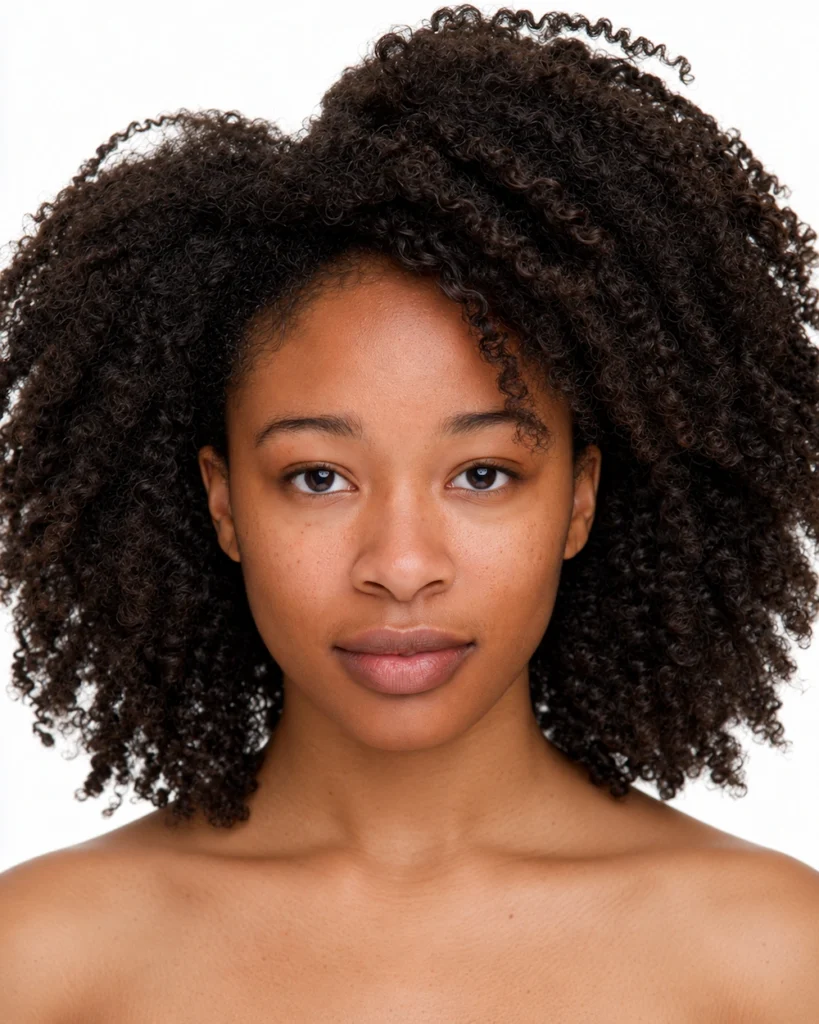
F-0004 ZURI
€ 6,99 -
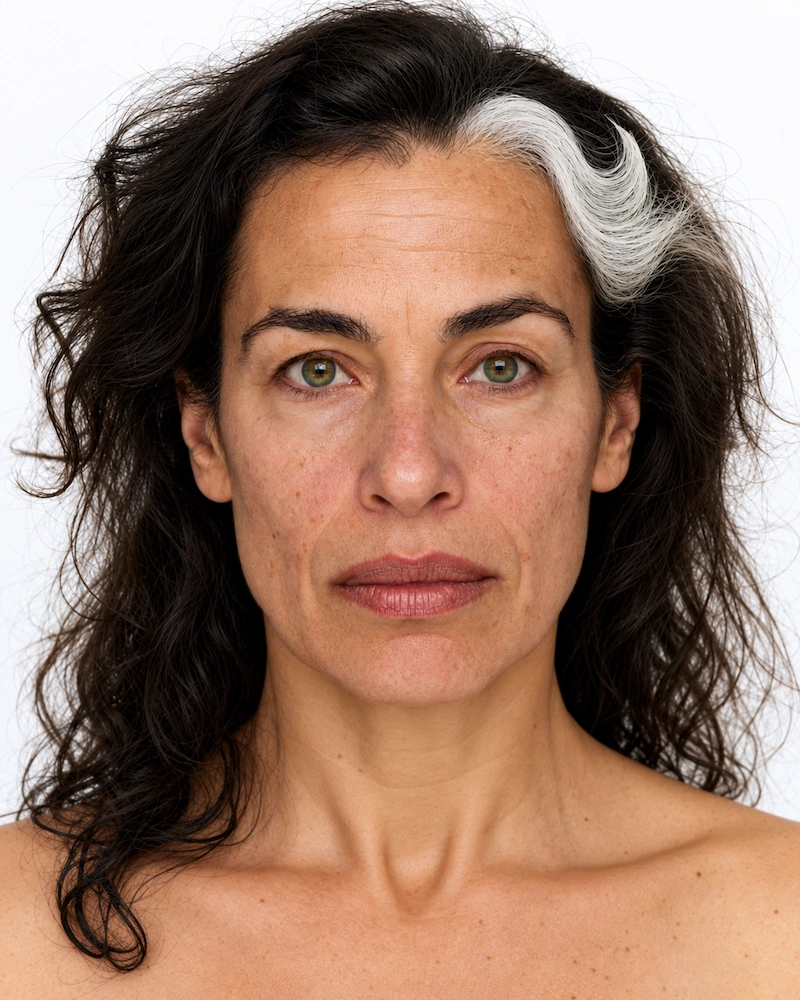
F-0005 SOFIA
€ 6,99 -

M-0001 LEO
€ 6,99 -

M-0007 IDRIS
€ 6,99 -
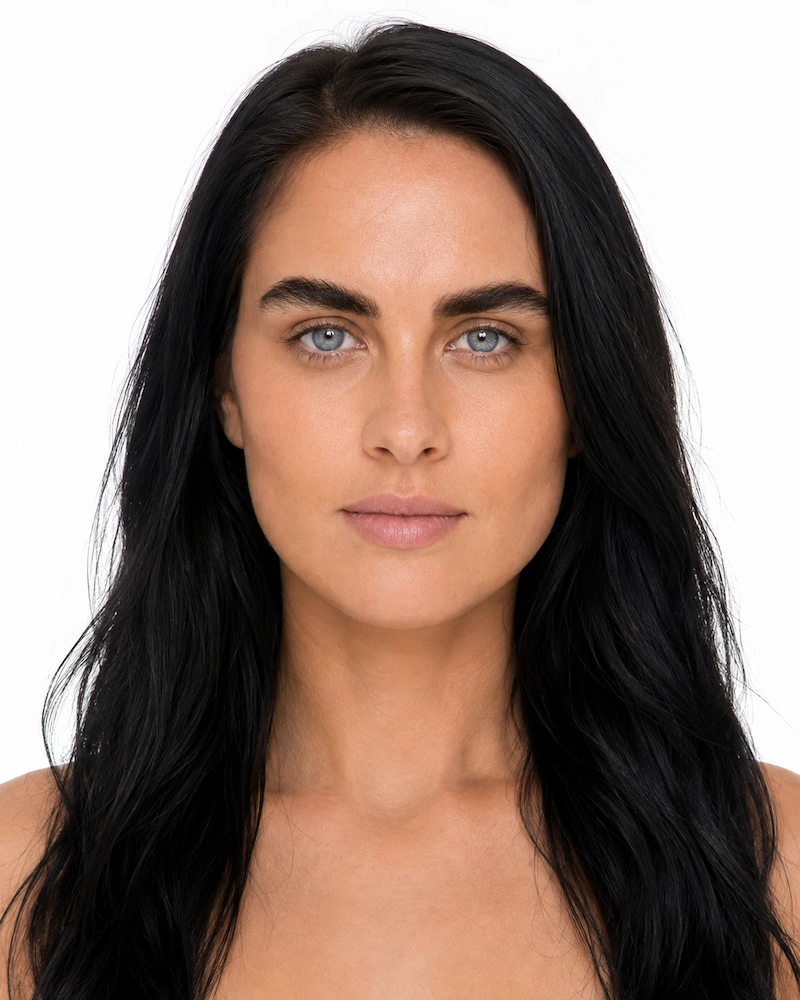
F-0002 NADYA
€ 6,99 -
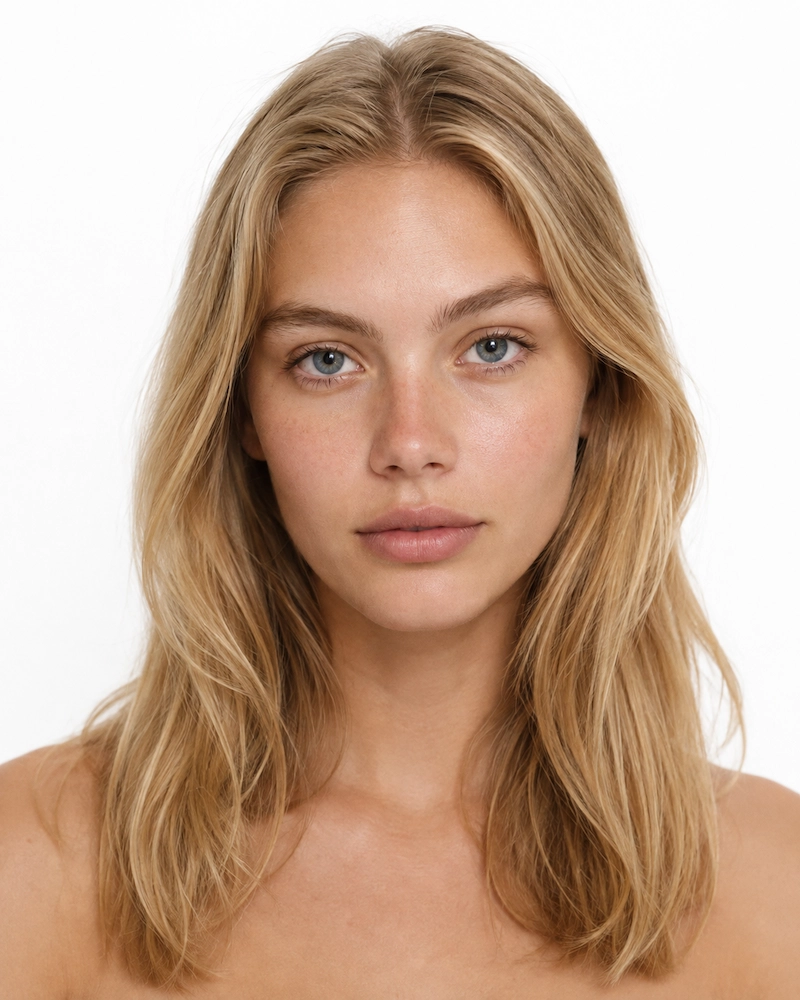
F-0001 AVA
€ 6,99 -
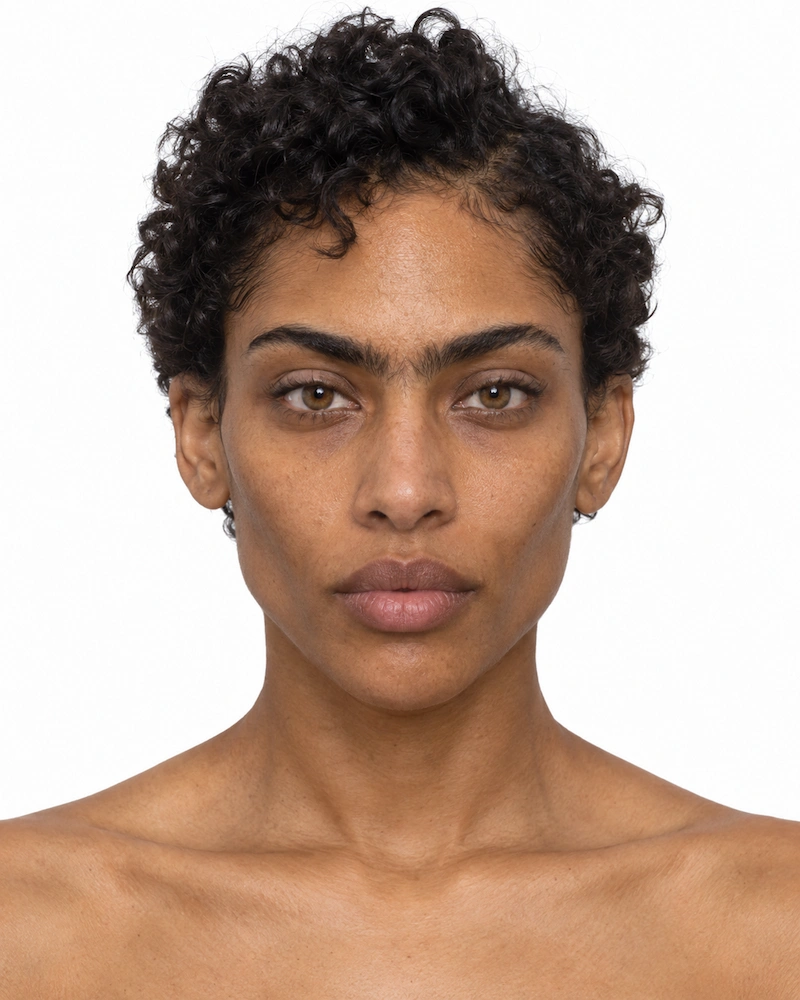
F-0020 NYX
€ 6,99 -
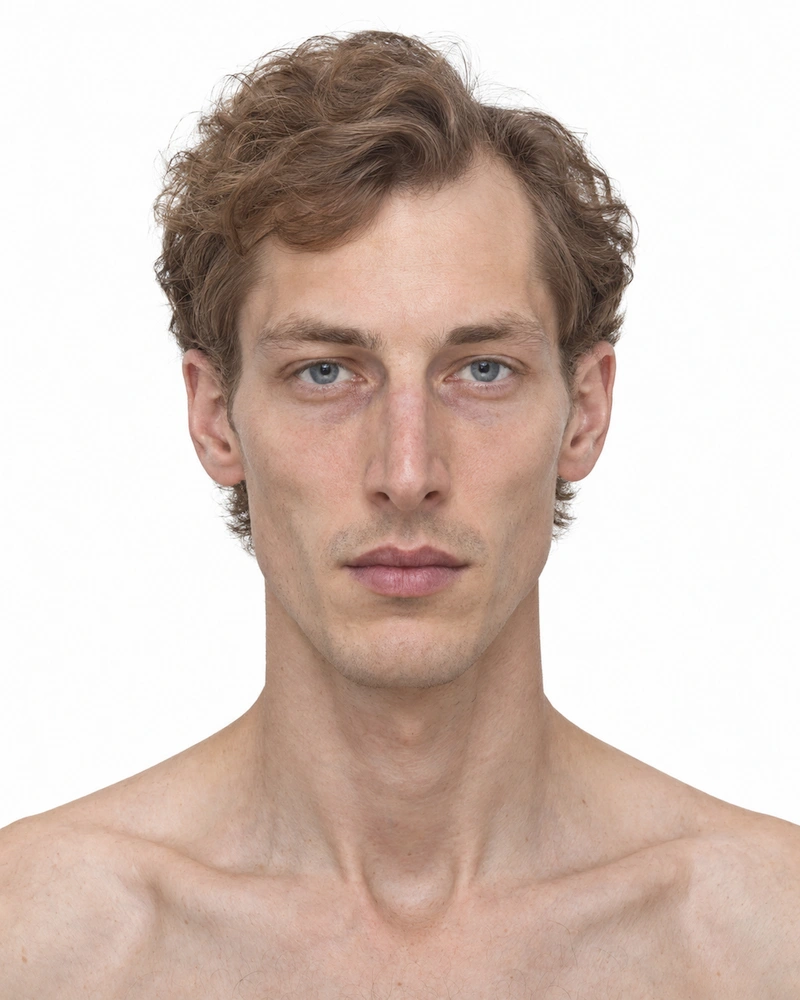
M-0002 ELIAS
€ 6,99 -
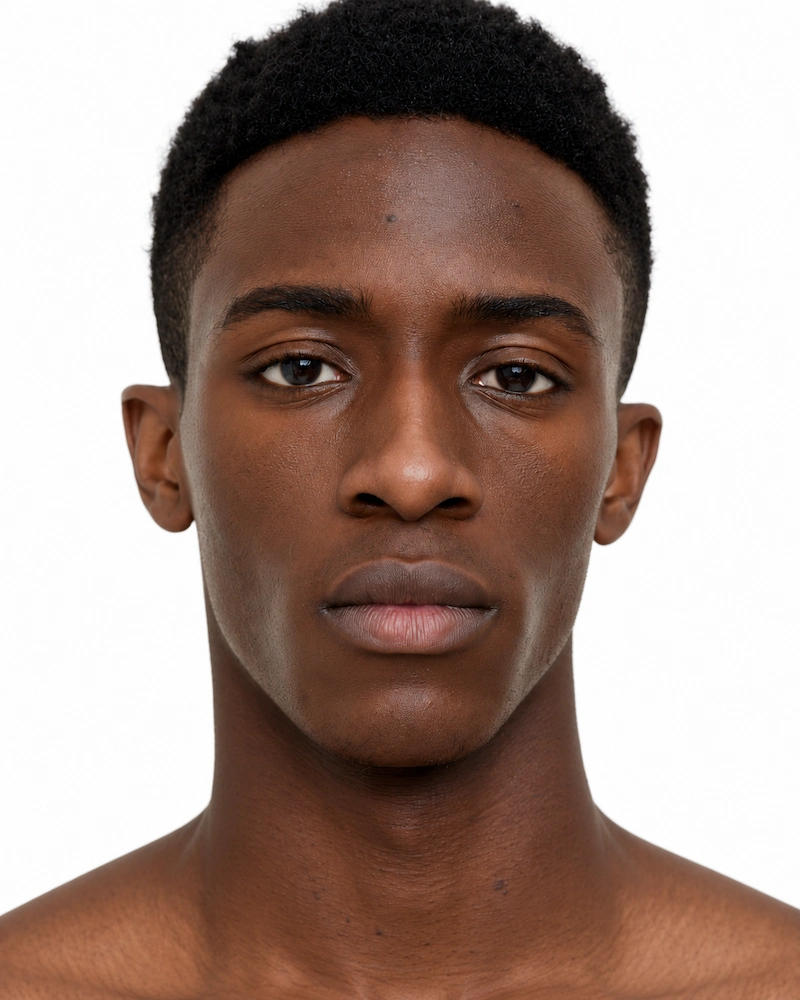
M-0003 MALIK
€ 6,99