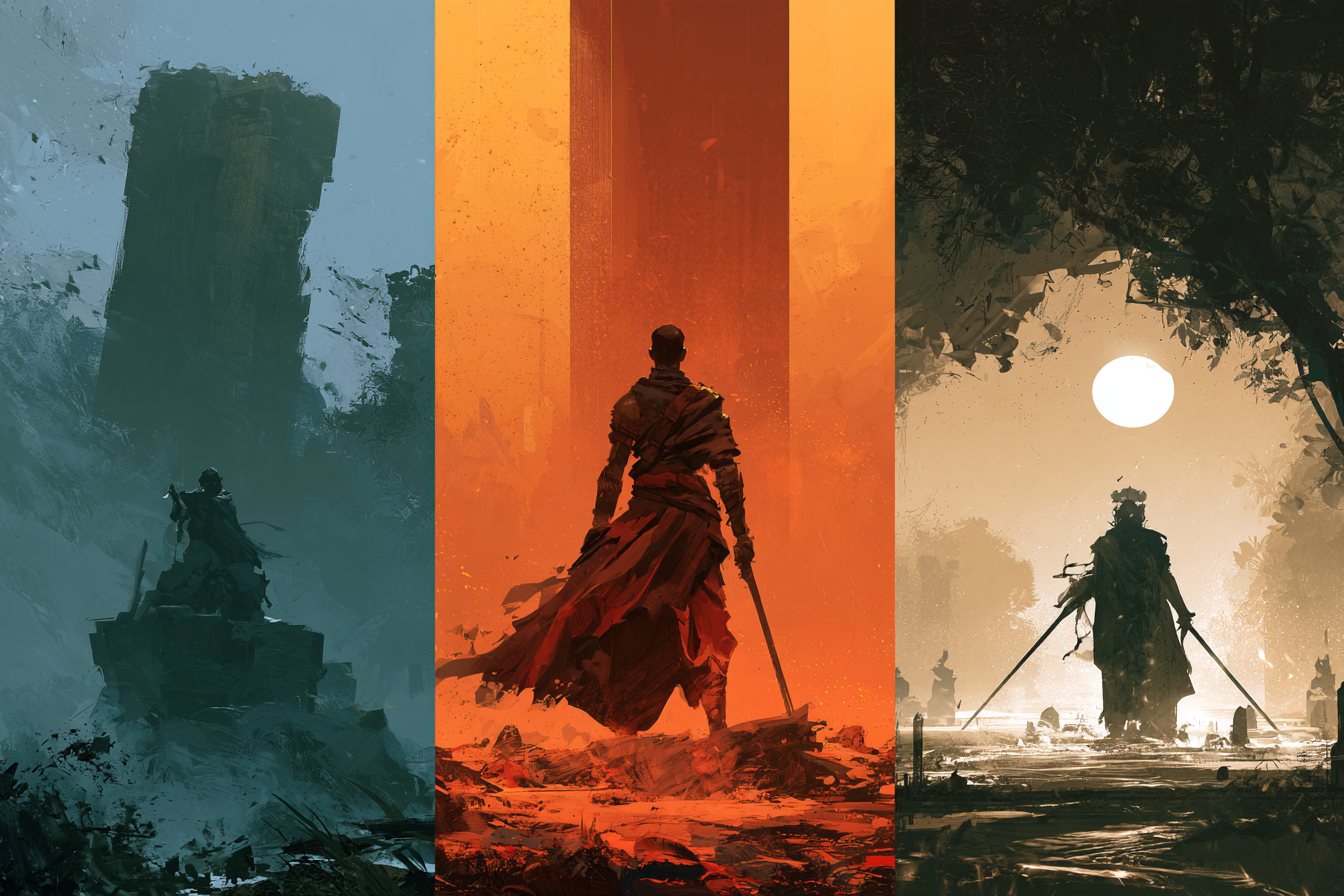
AI video can create extraordinary worlds.
Futuristic cities. Remote deserts. Luxury hotels. Cinematic night streets. Surreal landscapes.
But even the most visually impressive environment needs something to make an audience care.
A character.
More specifically, a character with a recognizable identity, personality and reason to exist in the scene.
One of the easiest ways to develop compelling AI video ideas is to begin with a character archetype.
Archetypes are familiar character patterns that audiences instinctively understand. The outsider, the detective, the rebel and the mysterious stranger all suggest different personalities, conflicts and stories.
They provide a creative foundation without forcing you into a predetermined plot.
And for generative video, they offer another advantage: one strong character archetype can inspire dozens of different scenes while retaining the same recognizable identity.
Here are ten character archetypes worth exploring for your next AI video project.
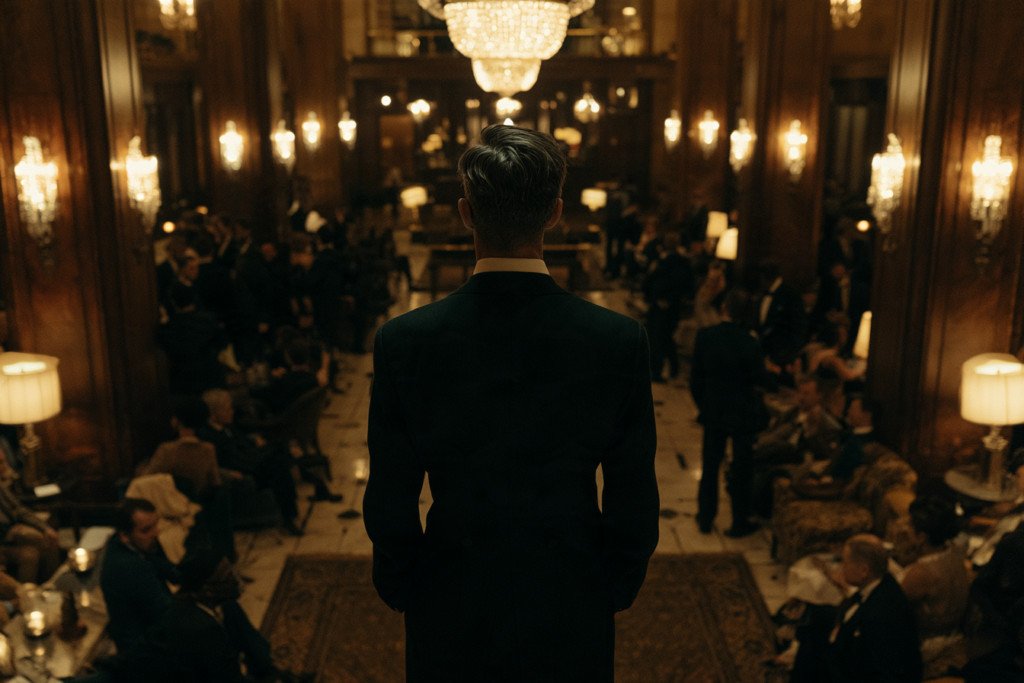
1. The Outsider
The character who doesn’t belong — and knows it.
The outsider is one of the most versatile archetypes in visual storytelling.
They might be a newcomer entering an unfamiliar city, a person who doesn’t fit into a glamorous social world, or someone whose appearance and behavior contrast with everyone around them.
The visual opportunity comes from that contrast.
Imagine an older woman in understated clothing standing alone at an extravagant futuristic fashion event. Everyone around her is dressed dramatically, yet she appears completely unaffected.
Immediately, there is a story.
Character design ideas: Distinctive appearance, unconventional styling, reserved expression, recognizable posture and a wardrobe that contrasts with the environment.
AI video concept: An unfamiliar traveler arrives at an exclusive luxury resort where everyone seems to recognize them except the staff.
Sample AI video prompt:
A solitary traveler stands in the center of a grand hotel lobby as elegantly dressed guests move around them. Slow cinematic push-in, warm architectural lighting, subtle expressions, atmospheric realism.
The outsider works particularly well in short-form AI video because the conflict can be communicated visually without dialogue.
2. The Antihero
The character who isn’t entirely good — but isn’t entirely bad either.
Antiheroes are compelling because they contain contradictions.
They might be charming but dishonest, intimidating but compassionate, or confident while hiding deep insecurity.
In AI video, these contradictions can be conveyed through expression, styling and environment.
Imagine a middle-aged man wearing an immaculate suit while sitting alone in a rundown roadside diner.
Why is he there?
What happened before this moment?
The visual contrast creates intrigue.
Character design ideas: Strong facial anatomy, restrained expressions, imperfect styling, distinctive scars or age characteristics, and clothing suggesting a complicated personal history.
AI video concept: A former criminal returns to the neighborhood they left decades earlier.
Sample AI video prompt:
A sharply dressed man in his late forties walks slowly through a deserted industrial street at dawn. He stops outside an abandoned building and looks through its windows. Muted cinematography, subtle tension, slow tracking shot.
Antiheroes are particularly useful for atmospheric storytelling, thrillers, crime-inspired content and cinematic character studies.
3. The Muse
The character who inspires curiosity, creativity or fascination.
The muse is less about occupation and more about presence.
They are someone the camera seems naturally drawn toward.
In traditional photography and cinema, a muse can represent beauty, mystery, individuality, artistic expression or unconventional personal style.
For AI video, this archetype works especially well in fashion films, editorial imagery, music videos and experimental visual content.
However, the most interesting muse is not necessarily the most conventionally attractive person.
A distinctive older character with silver hair, expressive features and unusual styling may be far more memorable than a generic flawless face.
Character design ideas: Recognizable facial characteristics, unusual styling, expressive eyes, distinctive silhouette and a coherent visual aesthetic.
AI video concept: A character moves through an empty contemporary art museum as the lighting and surroundings gradually change.
Sample AI video prompt:
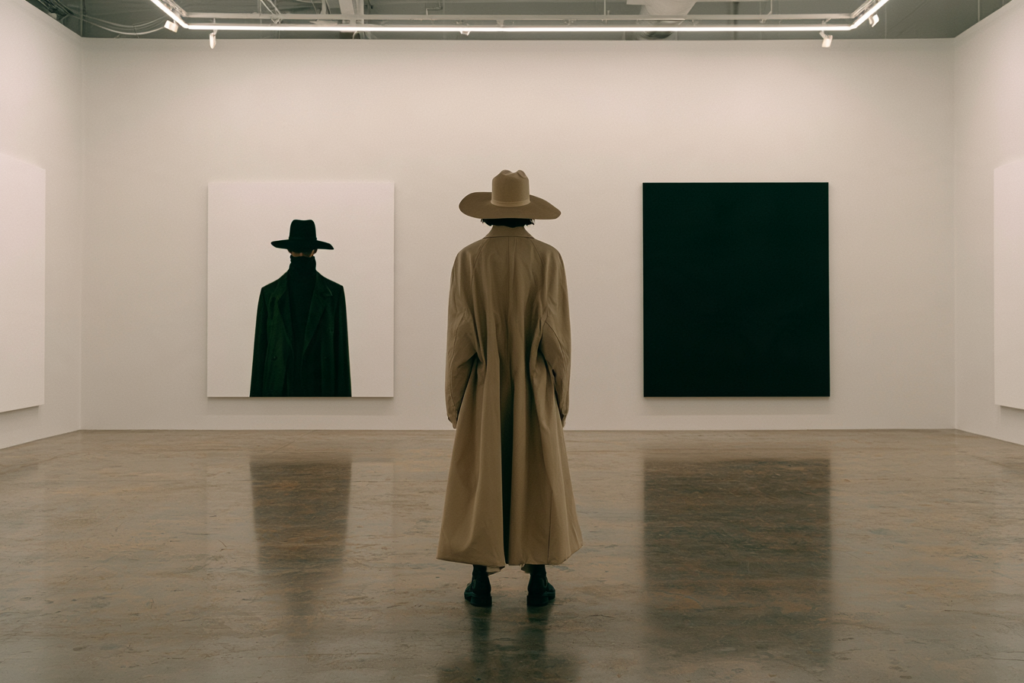
An elegant, unconventional fashion character walks through a minimalist art gallery. Sculptural clothing moves naturally as the camera circles slowly. Soft directional lighting, editorial fashion cinematography, restrained movement.
The muse works best when the character’s visual identity is strong enough to carry a relatively simple scene.
4. The Explorer
The character driven by curiosity and discovery.
The explorer is ideal for AI video because the archetype naturally connects a person to changing environments.
An explorer can travel through almost any setting:
- Forgotten cities
- Abandoned research stations
- Remote mountains
- Underwater facilities
- Futuristic planets
- Historical environments
The character becomes the recurring element connecting these worlds.
Character design ideas: Practical wardrobe, weathered details, distinctive accessories, functional silhouettes and an observant personality.
AI video concept: A future archaeologist discovers the remains of a present-day shopping mall centuries after civilization has disappeared.
Sample AI video prompt:
A lone explorer wearing weathered technical clothing enters an abandoned shopping mall overtaken by vegetation. Sunlight filters through the damaged ceiling. Slow handheld tracking shot, realistic atmospheric dust, cinematic exploration.
This archetype is particularly useful for recurring AI video series because every new location creates another chapter.
5. The Rebel
The character who refuses to follow the rules.
Rebels have immediate visual potential.
They often stand out through clothing, behavior, attitude or their relationship with authority.
But a compelling rebel does not need to look like a stereotypical punk rocker.
A quietly rebellious corporate employee can be just as interesting.
So can a mature woman refusing to follow the expectations of her social environment.
The strongest rebels have a reason for resisting.
Character design ideas: Individual styling, unusual hair, confident body language, contrasting wardrobe elements and recognizable accessories.
AI video concept: A sharply dressed woman walks away from an extravagant corporate ceremony while everyone else remains perfectly still.
Sample AI video prompt:
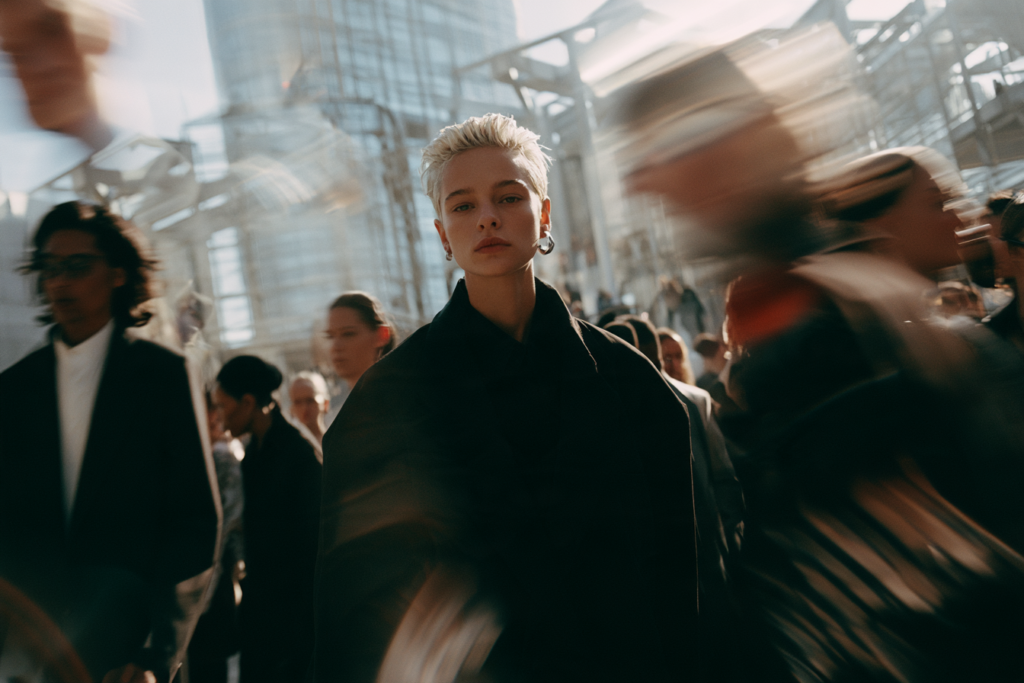
A confident woman in unconventional tailored clothing walks against the flow of a crowded corporate gathering. The surrounding guests remain motionless as she passes. Symmetrical composition, controlled camera movement, understated cinematic tension.
The rebel works well in fashion, advertising, music-driven content and conceptual storytelling.
6. The Detective
The character who notices what everyone else misses.
Detectives are excellent for AI storytelling because their actions are naturally visual.
They observe.
They investigate.
They follow clues.
They enter unfamiliar environments.
A detective doesn’t need to explain everything verbally. Small actions and carefully framed details can suggest an entire narrative.
Character design ideas: Recognizable facial features, observant expression, practical but distinctive wardrobe, restrained body language and subtle signs of experience.
AI video concept: A private investigator discovers the same unfamiliar person appearing in photographs taken decades apart.
Sample AI video prompt:
An experienced private detective sits alone in a dim hotel room, examining photographs spread across a desk. Rain moves across the window behind them. Slow over-the-shoulder camera movement, warm practical lighting, cinematic noir atmosphere.
For AI creators, the detective is particularly useful because the story can be divided into relatively simple scenes: arriving, observing, discovering and reacting.
Each can become a separate generated shot.
7. The Performer
The character who becomes someone different when the audience is watching.
Performers are naturally suited to video.
Their identity can be expressed through movement, clothing, lighting, expression and stage presence.
This archetype includes:
- Musicians
- Dancers
- Actors
- Comedians
- Performance artists
- Nightclub entertainers
The most interesting angle is often the contrast between their public and private selves.
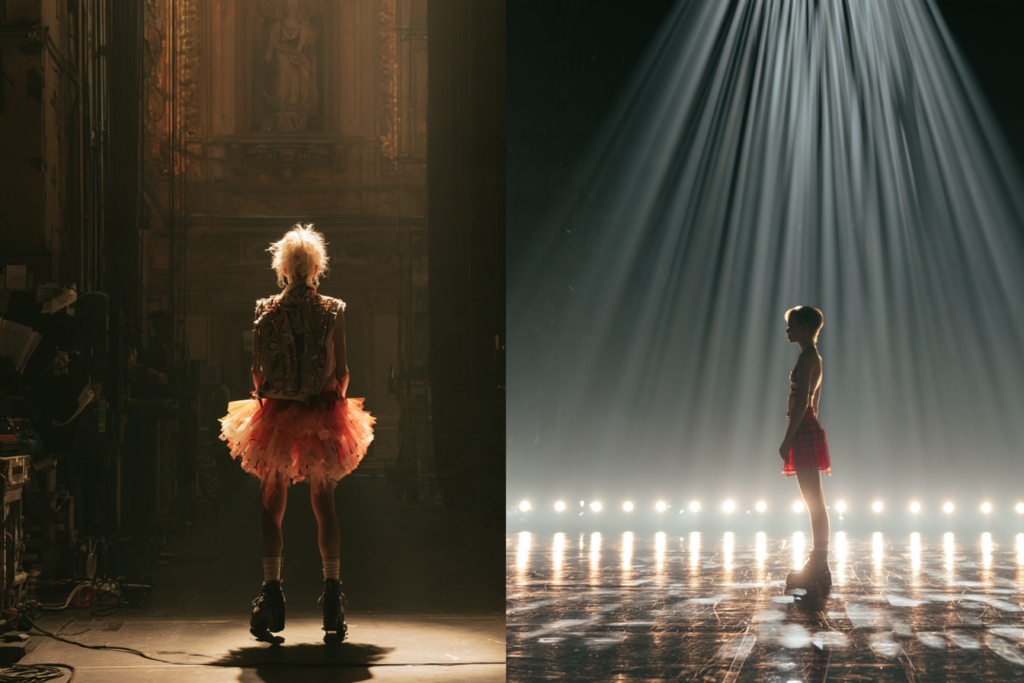
Imagine a glamorous singer preparing alone in a dressing room before stepping onto a massive stage.
Two visual worlds. One character.
Character design ideas: Strong silhouette, expressive personality, distinctive hair, recognizable stage styling and clothing that supports movement.
AI video concept: An aging nightclub singer prepares for one final performance.
Sample AI video prompt:
A mature singer with distinctive silver hair studies their reflection in a backstage dressing-room mirror. They stand, adjust their jacket and walk toward a stage entrance. Warm bulbs, cinematic shadows, subtle emotional performance.
This archetype is particularly effective for AI music videos, fashion content and emotionally driven short films.
8. The Eccentric Millionaire
The character whose wealth allows their unusual personality to flourish.
This archetype offers enormous creative freedom.
An eccentric millionaire might collect strange objects, live in an unusual mansion, wear extravagant clothing or behave in ways nobody fully understands.
Unlike the traditional glamorous wealthy character, eccentric millionaires are interesting because their wealth is not their entire identity.
Their habits are.
Character design ideas: Unusual combinations of luxury clothing, distinctive age characteristics, statement accessories, expressive posture and a memorable face.
AI video concept: An eccentric collector hosts a private dinner for guests who never arrive.
Sample AI video prompt:
An eccentric older gentleman in luxurious but mismatched tailoring sits alone at an enormous dining table inside an ornate mansion. He calmly pours tea while a chandelier sways above him. Symmetrical wide shot, dry cinematic humor, soft afternoon lighting.
This archetype is ideal for stylized luxury content, surreal storytelling, satire and visually unusual advertising.
9. The Athlete
The character defined by discipline, movement and physical ambition.
Athletes are particularly useful for AI video because movement becomes central to the story.
But the strongest athletic characters need more than a muscular body.
They need personality and history.
Consider:
- A retired boxer returning to training
- A marathon runner preparing alone before sunrise
- A veteran martial artist
- An unconventional professional dancer
- A former champion confronting age
Each concept creates different visual opportunities.
Character design ideas: Believable athletic build, realistic body proportions, strong posture, recognizable physical traits and functional styling.
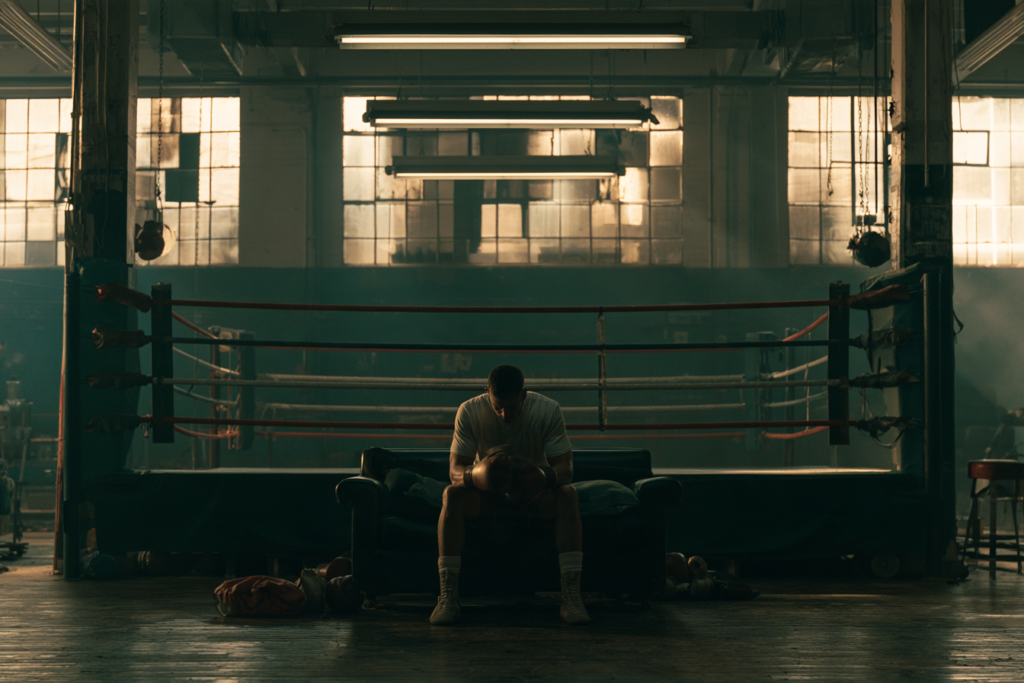
AI video concept: A retired boxer returns to an empty gym years after their final fight.
Sample AI video prompt:
A weathered former boxer in his late fifties enters an old boxing gym at sunrise. He places his bag beside the ring and slowly begins wrapping his hands. Natural light through dusty windows, intimate handheld cinematography, restrained emotion.
For physically complex action, start with controlled movement and shorter shots before attempting fast choreography.
10. The Mysterious Stranger
The character whose unknown identity is the story.
The mysterious stranger is perhaps the simplest archetype to introduce visually.
A person arrives.
Nobody knows who they are.
Something about them feels unusual.
That is enough to create intrigue.
This archetype works beautifully in cinematic AI video because it relies on atmosphere, composition and subtle performance rather than complicated action.
Character design ideas: Memorable facial anatomy, restrained expression, distinctive silhouette, understated clothing and carefully chosen accessories.
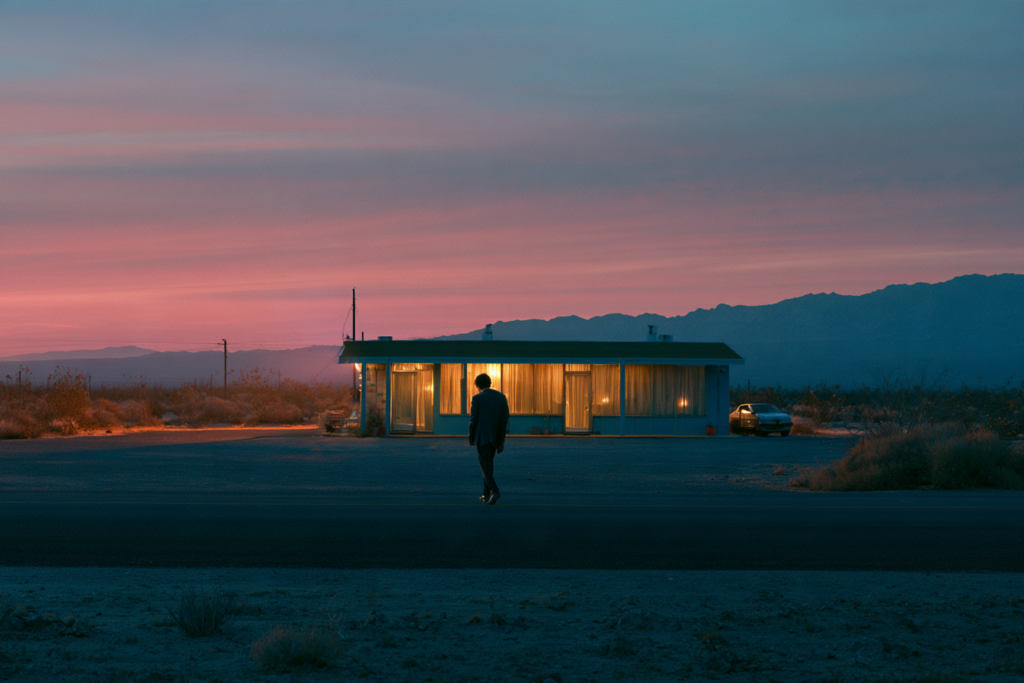
AI video concept: A stranger arrives at a remote desert motel carrying a small locked case.
Sample AI video prompt:
A solitary stranger steps out of an old taxi outside a remote desert motel at dusk. They carry a small worn leather case and look toward the flickering motel sign. Static wide composition transitioning to a slow push-in, cinematic realism, atmospheric silence.
The mysterious stranger is especially effective for short-form content because the audience’s curiosity becomes the hook.
How to Choose the Right Character Archetype for Your AI Video
Not every archetype is right for every project.
Before selecting a character, consider three questions.
What Is the Emotional Goal?
Do you want the audience to feel curiosity, excitement, tension, admiration or empathy?
A detective naturally creates mystery.
An outsider can create empathy.
A rebel can create excitement.
An explorer can create wonder.
Choose the archetype that supports the emotion you want.
What Kind of Visuals Do You Want to Create?
Some archetypes naturally work with particular environments.
An eccentric millionaire suggests luxurious or unusual interiors.
An explorer suggests dramatic locations.
A performer suggests movement and lighting.
A mysterious stranger suggests atmospheric travel scenes.
These are starting points, not rules. Unexpected combinations often create the most original results.
Can the Character Support Multiple Videos?
A strong archetype should ideally create more than one idea.
The hotel detective can investigate another location.
The explorer can discover another world.
The performer can take another stage.
The rebel can face another authority.
That repeatability is especially useful if you are building a recurring social-media series or AI video channel.
How to Make Familiar Archetypes Feel Original
Archetypes become predictable when creators copy the most familiar version of them.
The solution is to introduce a contradiction.
For example:
Typical rebel: Young, loud and aggressively dressed.
Unexpected rebel: A quietly defiant 72-year-old woman in minimalist tailoring.
Typical detective: Middle-aged man in a trench coat.
Unexpected detective: A cheerful hotel concierge who solves mysteries without anyone realizing.
Typical athlete: Young, muscular and intensely competitive.
Unexpected athlete: A retired champion training for a competition nobody expects them to enter.
Small creative changes can transform a familiar archetype into something more distinctive.
The character’s age, facial structure, body type, personality and styling all contribute to that originality.
Build the Identity Before You Generate the Scene
Once you’ve selected an archetype, establish the character visually.
Define:
- Age and physical appearance
- Distinctive facial traits
- Hair and body proportions
- Personality
- Wardrobe language
- Recurring visual details
Then create or select strong reference images.
For a recurring AI character, useful references may include frontal portraits, profile views and full-body imagery.
These references help provide a stable visual identity when generating new scenes.
At Refera Studios, this is central to the character-first approach: distinctive fictional characters are designed as reusable identities, supported by structured reference material for compatible AI image and video workflows.
The goal is not to make every scene identical.
It is to change the world around the character without continually reinventing the person.
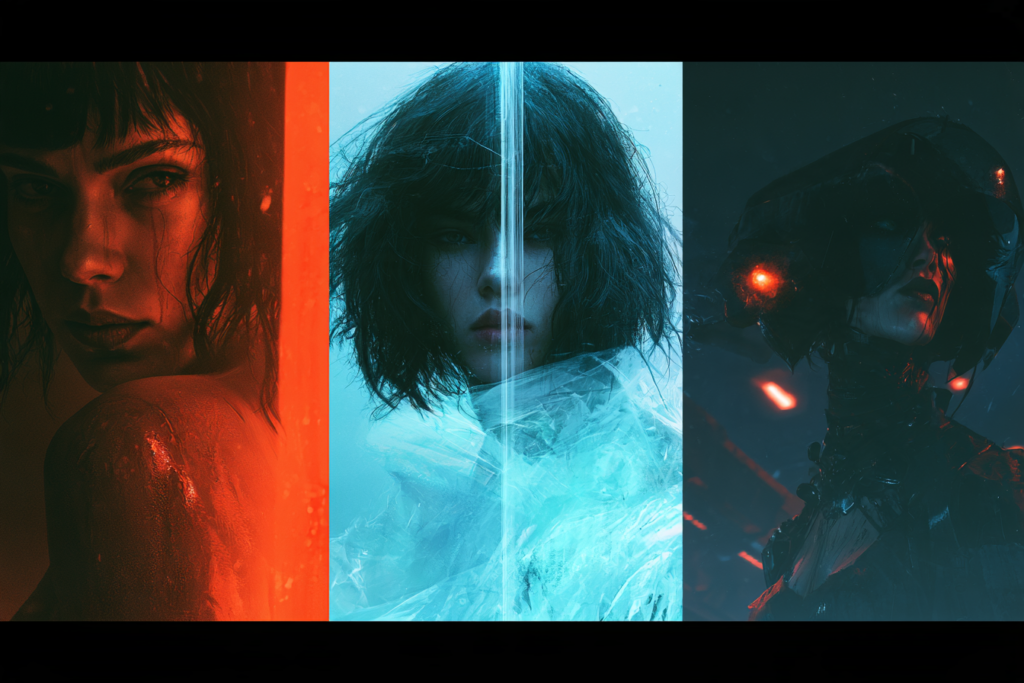
One Archetype Can Become an Entire AI Video Series
Consider the mysterious stranger.
One character could appear in:
Episode 1: Arriving at a remote motel.
Episode 2: Boarding a midnight train.
Episode 3: Entering an empty luxury hotel.
Episode 4: Meeting someone at a deserted airport.
Episode 5: Disappearing into a crowded city.
The audience begins recognizing the character even as the setting changes.
That recognition creates continuity.
It also creates a reason for viewers to return.
The same concept works for every archetype in this article.
A strong character is not limited to one prompt.
They can become the foundation for an entire creative world.
Final Thoughts
The best AI video ideas often begin with a character rather than a camera movement.
The outsider.
The antihero.
The muse.
The explorer.
The rebel.
The detective.
The performer.
The eccentric millionaire.
The athlete.
The mysterious stranger.
Each archetype offers a different starting point for storytelling, styling, environments and cinematic direction.
But archetypes are only foundations.
What makes a character truly memorable is the individuality you build on top of them.
A recognizable face.
A distinctive silhouette.
A personality.
An unexpected detail.
A reason to exist beyond the frame.
Because creating an impressive AI video is one thing.
Creating a character audiences want to see again is something more valuable.
Start with the character. Let the story follow.
Find the Right Character for Your Next AI Video
Refera Studios creates distinctive fictional characters designed for reusable AI image and video workflows.
Whether you’re creating a mysterious traveler, cinematic antihero, unconventional fashion muse or entirely original character concept, a strong visual identity provides the foundation.
Explore the character library, choose a cast member and start building your own stories.
Discover → Purchase → Create.
Products by Category
-
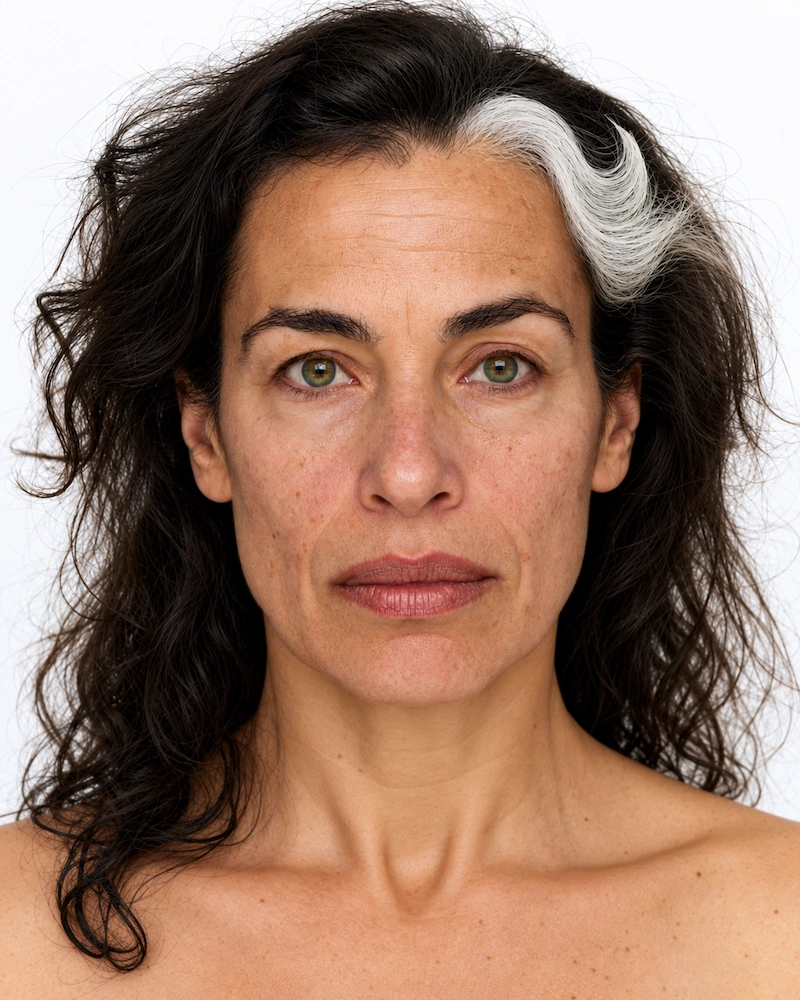
F-0005 SOFIA
€ 6,99 -

F-0002 NADYA
€ 6,99 -

F-0001 AVA
€ 6,99 -
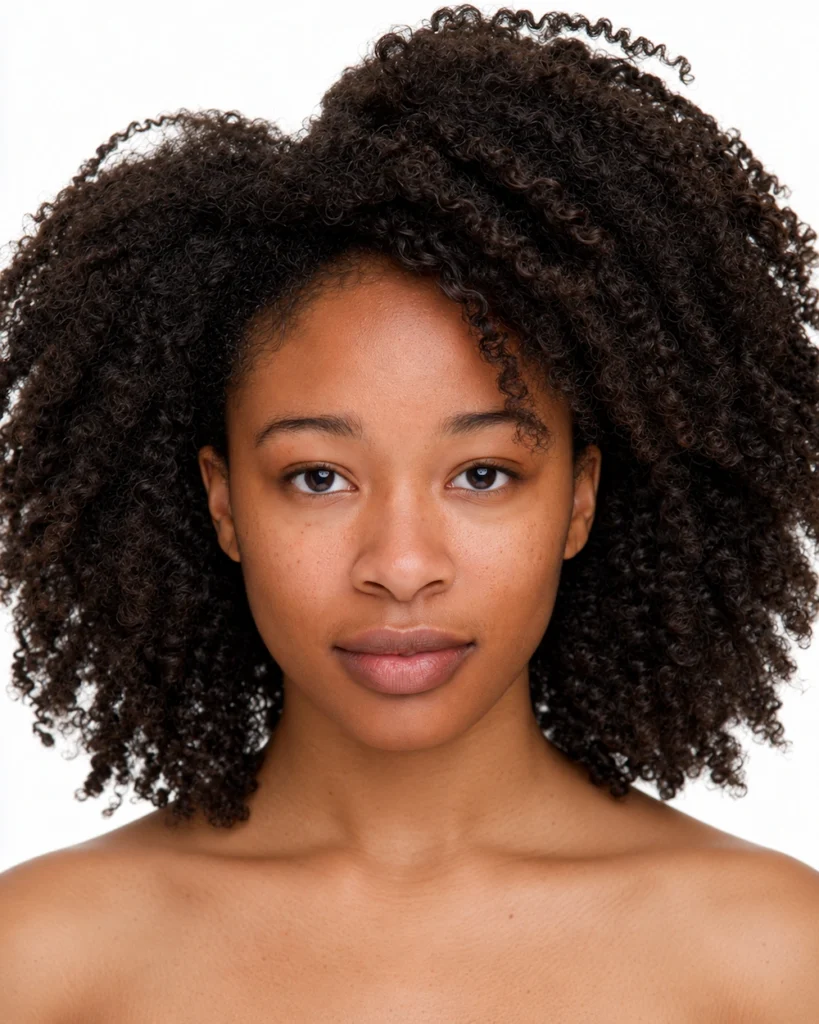
F-0004 ZURI
€ 6,99 -

M-0007 IDRIS
€ 6,99 -

M-0003 MALIK
€ 6,99 -

M-0004 ARUN
€ 6,99 -
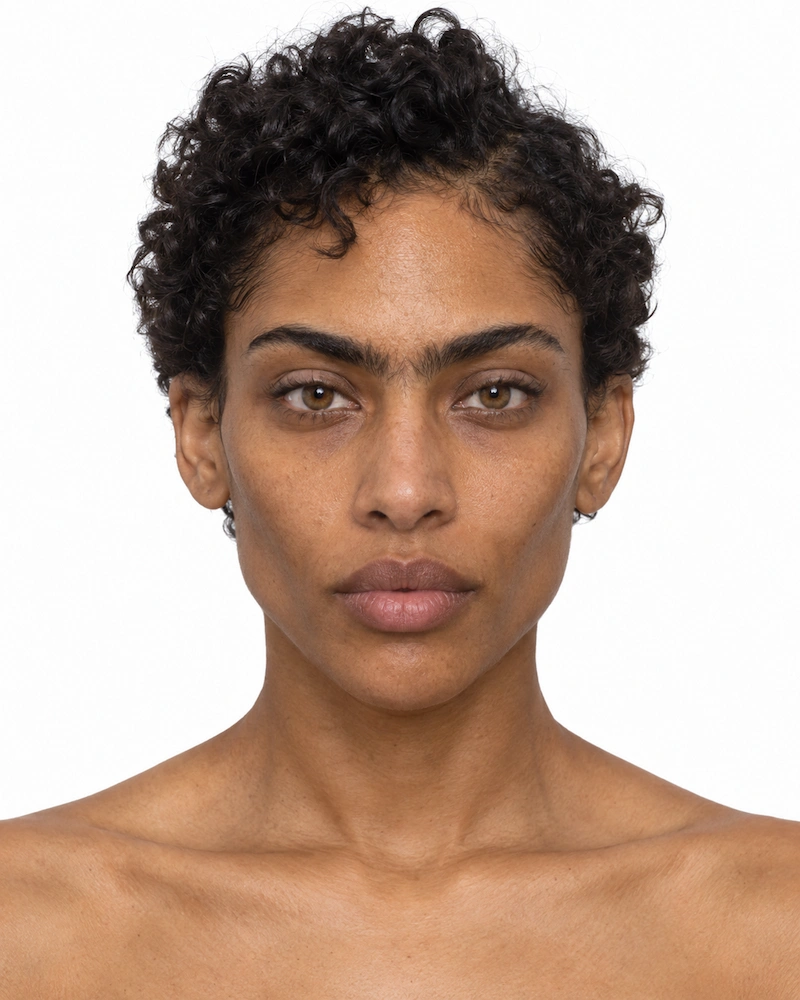
F-0020 NYX
€ 6,99 -

M-0001 LEO
€ 6,99