If you are trying to create the same AI character across multiple images or videos, one question comes up very quickly:
How many reference images do I need?
One?
Five?
Twenty?
Dozens?
There is no universal number that guarantees perfect character consistency.
Different AI models handle references differently. Some workflows rely heavily on a single source image. Others can use multiple images, video references or more advanced identity tools.
The complexity of your scene matters too.
A simple frontal portrait is very different from a sequence where the character turns around, walks through a scene, changes clothing and appears from several camera angles.
But there is one principle that applies surprisingly well across workflows:
The usefulness of your references matters more than the number of references you have.
Ten nearly identical portraits may provide less useful information than four carefully selected views.
If consistency is the goal, think in terms of identity coverage, not image count.
Why Reference Images Matter
Text prompts are good at describing general characteristics.
For example:
“A woman in her early thirties with dark wavy hair, green eyes, olive skin and an athletic build.”
That gives an AI model direction.
But it does not define one exact individual.
Thousands of different people could match that description.
A reference image gives the model something much more specific.
It can communicate:
- Facial anatomy
- Eye shape and spacing
- Nose structure
- Jawline
- Hairline
- Skin characteristics
- Apparent age
- Body proportions
- Distinctive features
Instead of asking the model to invent a person who matches a description, you are giving it a visual identity to work from.
That can create a much stronger foundation for recurring characters.
Is One Reference Image Enough?
Sometimes, yes.
A single good reference image can be enough for relatively simple generations.
For example, one reference may work well if:
- The character stays mostly frontal
- The shot is a close-up or medium shot
- The camera angle remains similar to the reference
- The movement is limited
- The clip is short
- The character does not need to rotate significantly
- Full-body consistency is not important
Imagine creating a short video of a character sitting in a café and looking toward the camera.
If your source image already shows them from a similar angle, one clear reference may contain most of the identity information needed for that scene.
For quick tests, experimental clips or controlled compositions, a single reference can be an efficient starting point.
The problem begins when the production asks for information that is not visible in that image.
A Frontal Portrait Cannot Show Everything
Imagine your only reference is a front-facing portrait.
It clearly shows:
- Eye spacing
- Front-facing nose shape
- Mouth
- Face width
- Hairline
- Frontal facial proportions
But it does not fully show:
- Nose projection
- Chin depth
- Side jaw shape
- Ear placement
- Hairstyle from behind
- Shoulder width
- Full-body proportions
If you now ask the character to turn completely sideways, the AI system has to infer those missing details.
It may produce a convincing profile.
But that profile may not look exactly like the same person.
This is one of the reasons identity drift can appear when camera angles change.
The model is being asked to invent information that the original reference never supplied.

Think About Identity Coverage
Instead of asking:
“How many images should I have?”
ask:
“What important information about this character is still missing?”
That leads to a much more useful reference strategy.
For example, a small but well-designed reference set might include:
- One frontal face view
- One three-quarter face view
- One side profile
- One frontal full-body image
- One side full-body image
Each image contributes something different.
That is far more valuable than five nearly identical portraits taken from the same angle.
Refera’s own reference philosophy follows this approach: characters are built from a canonical physical specification, with a standardized frontal reference establishing the identity and additional views expanding the useful information available for downstream generation.
Why a Three-Quarter Reference Is Useful
The three-quarter view is one of the most valuable character angles.
It bridges the gap between front and profile.
A three-quarter image can reveal:
- Facial depth
- Cheekbone projection
- Nose structure
- Jaw shape
- Hair volume
- Chin position
It is also a very common angle in cinematic imagery.
Characters rarely spend an entire film staring directly into the camera.
They turn.
They look past the lens.
They interact with other characters.
A three-quarter reference can therefore provide useful information for many natural-looking shots.
Why a Profile Reference Matters
Profiles often expose weaknesses in character consistency.
A frontal image may make two faces look similar, while their profiles reveal major structural differences.
A side profile communicates:
- Nose projection
- Forehead shape
- Chin projection
- Jaw angle
- Ear position
- Neck relationship
If your character will frequently be shown from the side, a profile reference can be much more valuable than several extra front-facing portraits.
Again, the question is not quantity.
It is whether the image adds information that the model did not already have.
When Full-Body References Become Important
If your character only appears in close-ups, you may not need much body information.
But once you begin generating wider scenes, body consistency becomes part of identity.
A portrait does not clearly tell the model:
- Height impression
- Shoulder width
- Torso length
- Leg proportions
- Build
- Posture
- Overall silhouette
Without that information, the character may appear slim in one scene, broader in another and taller in the next.
The face can remain relatively consistent while the overall person changes.
That may be acceptable for a simple portrait project.
For recurring AI video characters, fashion content or narrative filmmaking, it becomes more noticeable.
How Many Images Do You Need for Different Types of Projects?
There is no fixed rule, but a useful way to think about it is by production complexity.
Simple Portrait or Short Close-Up
You may only need:
- 1 strong frontal or three-quarter reference
This can be enough when the scene remains close to the original angle.
Recurring Image Character
Consider:
- Frontal portrait
- Three-quarter portrait
- Profile
This gives you better facial coverage across multiple compositions.
Full-Body Character Content
Add:
- Frontal full-body view
- Side full-body view
Now you have better information about both face and body.
More Demanding AI Video Production
A stronger reference set might include:
- Frontal face
- Three-quarter face
- Side profile
- Frontal full-body
- Side full-body
- Rear full-body
- Short reference video
Refera’s current product structure similarly combines facial and full-body views with a short video reference, giving creators several types of source material for an identity rather than relying on one isolated image.
The exact number is less important than the fact that the references cover different useful perspectives.
Why 20 Similar Images May Be Worse Than Five Good Ones
It can be tempting to assume that more data always means better consistency.
But that is not necessarily true in a practical creative workflow.
Imagine you have twenty portraits.
All of them are:
- Front-facing
- Shot from chest height
- Under similar lighting
- Wearing similar clothing
You have a lot of images.
But not much new information.
Now compare that to five references:
- Frontal portrait
- Three-quarter portrait
- Side profile
- Frontal full-body
- Side full-body
The second set gives you substantially more visual coverage.
The lesson is simple:
Do not collect references just to increase the number.
Every reference should ideally contribute something useful.
Too Many Inconsistent References Can Create Another Problem
More references can also become counterproductive if they disagree with each other.
Suppose one image shows:
- A narrow jaw
Another shows:
- A much broader jaw
Another has:
- A different eye shape
Another makes the character appear:
- Significantly younger
Now there is no clear source of truth.
Instead of reinforcing one identity, the reference set contains several slightly different identities.
This is why consistency within the reference pack matters.
All views should represent the same underlying character.
Refera’s product quality principles specifically emphasize standardized reference photography, realistic anatomy and a genuinely distinctive identity that remains clearly distinguishable and reusable across generation workflows.
Start With a Canonical Reference
A useful workflow is to establish one image as the definitive character reference.
Think of this as the master identity.
Usually, that means a clear frontal or slight three-quarter portrait with:
- Neutral lighting
- High detail
- Minimal obstruction
- Natural facial proportions
- A relatively neutral expression
Once you approve that identity, create additional views from it.
Every new reference should be checked against the master.
Ask:
Does this still look like exactly the same person?
If not, do not automatically add it to the reference set.
A bad supporting image can weaken the identity rather than strengthen it.
Use References Based on the Shots You Actually Need
Another useful principle is to design your reference set around the production.
If your video never shows the character from behind, you may not need a rear reference.
If the entire project consists of talking-head clips, full-body images may be less important.
If your film contains extensive side profiles, then profile references become essential.
Plan backwards.
Look at your intended shots.
Then ask what identity information those shots require.
This keeps the reference pack focused and efficient.
Reference Video Can Add Another Dimension
Still images provide fixed views.
A short reference video can potentially add information about the character during movement.
It may show:
- Head rotation
- Expression changes
- Hair movement
- Body motion
- Multiple angles in sequence
As generative video workflows continue to evolve, video references may become increasingly useful for persistent characters.
That is one reason Refera’s current packs include a short reference video alongside the still-image references.
The broader principle remains the same:
Give the generation system useful information about the identity before asking it to create something new.
Reference Images Do Not Guarantee Perfect Consistency
It is important to keep expectations realistic.
Even a strong multi-angle reference set does not guarantee that every AI generation will preserve identity perfectly.
Results still depend on factors such as:
- The model being used
- How that model handles references
- Shot complexity
- Lighting
- Motion
- Camera angle
- Prompting
- Distance from the character
- How different the requested scene is from the source material
Some generations will drift.
Some shots will need to be regenerated.
Character consistency is still partly a production process.
Good references simply give you a stronger starting point.
A Practical Rule: Add Information, Not Images
If you remember one principle from this article, make it this:
Every new reference should add useful identity information.
Ask:
- Does this show a new angle?
- Does it clarify the body?
- Does it show the profile?
- Does it clarify hair from another direction?
- Does it reveal information hidden in the other references?
If the answer is no, you may not need it.
A compact, intentional reference set is often more useful than a giant folder of repetitive imagery.
Final Thoughts
So, how many reference images do you need for a consistent AI character?
There is no universal magic number.
For a simple frontal clip, one strong image may be enough.
For a recurring character, three complementary facial views may be more useful.
For demanding full-body AI video, a broader set of face, body and video references can provide a stronger foundation.
The real goal is not to accumulate images.
It is to reduce uncertainty.
Front view.
Three-quarter.
Profile.
Full body.
Each adds information that another angle cannot provide.
And the less your AI system has to guess about the identity, the better your chances of keeping that character recognizable when the scene changes.
Do not count references. Count the gaps in what your references show.
That is the more useful way to build a consistent AI character.
Start With a Production-Ready Character
Refera Studios creates distinctive fictional characters supported by structured reference material for reusable AI image and video workflows.
Instead of starting with one random portrait and building an identity from scratch, choose a recognizable character with useful visual references already prepared.
Discover → Purchase → Create.
Products by Category
-
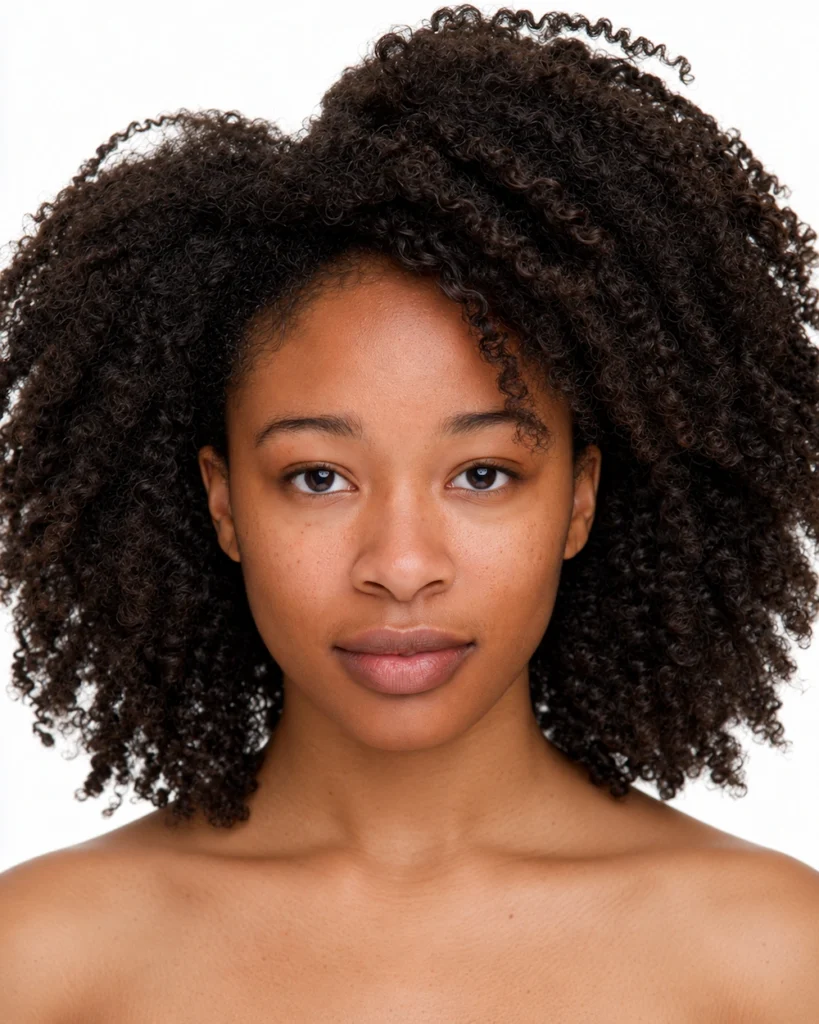
F-0004 ZURI
€ 6,99 -

M-0003 MALIK
€ 6,99 -
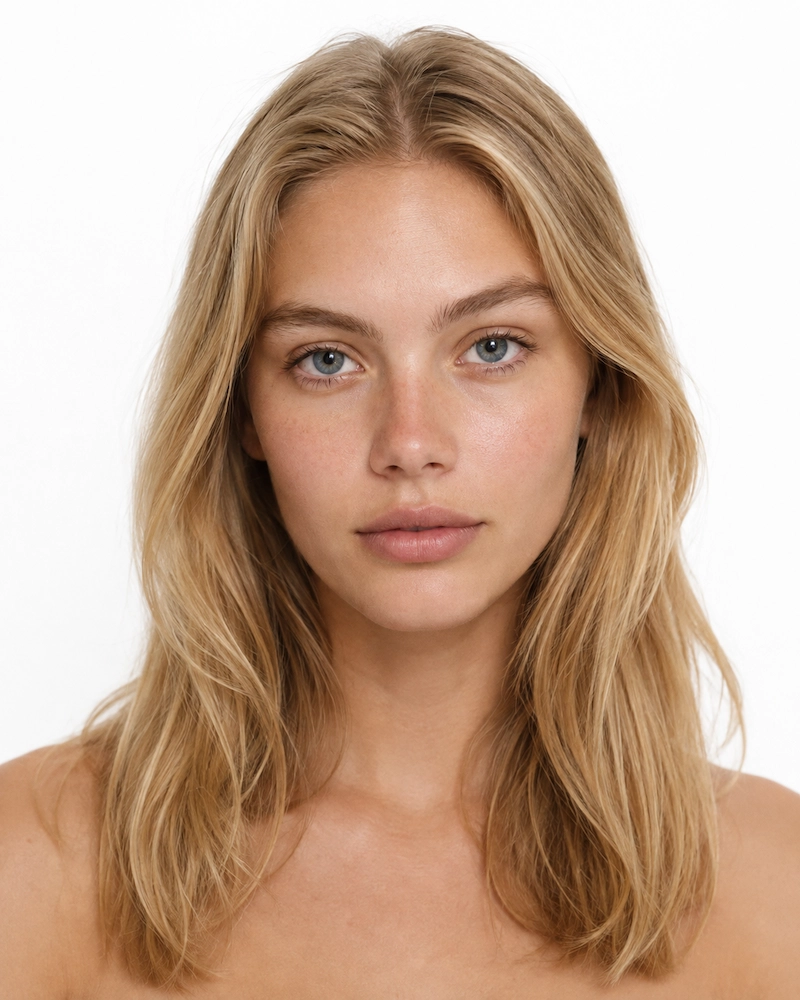
F-0001 AVA
€ 6,99 -
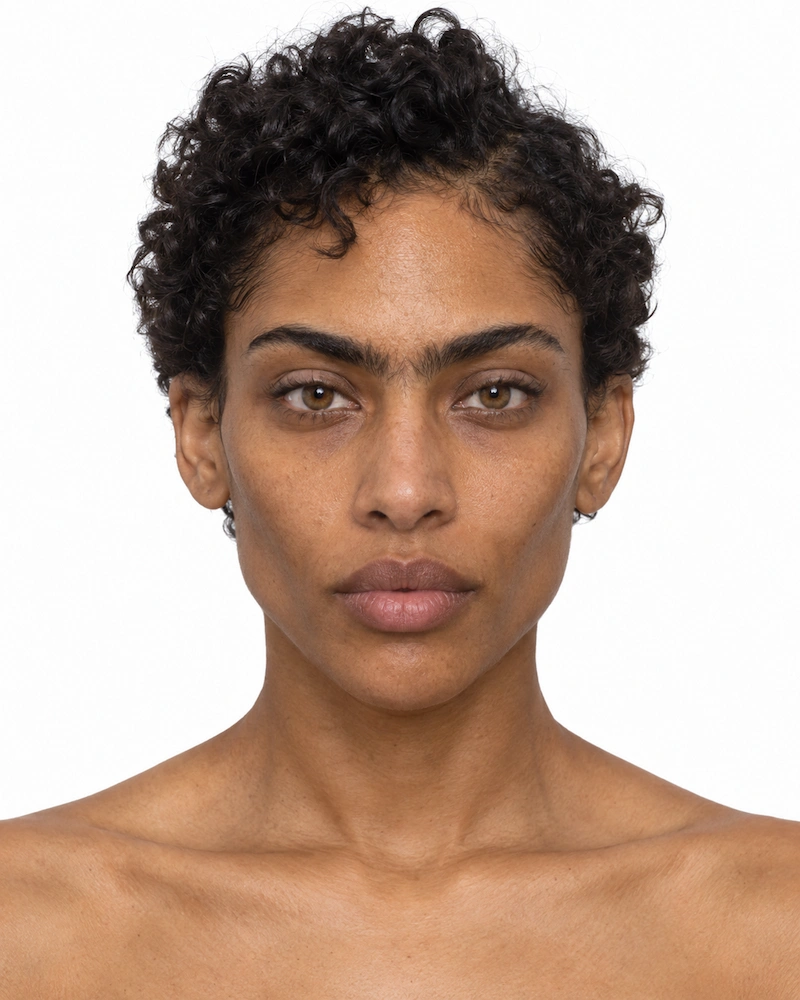
F-0020 NYX
€ 6,99 -

M-0001 LEO
€ 6,99 -

M-0004 ARUN
€ 6,99 -
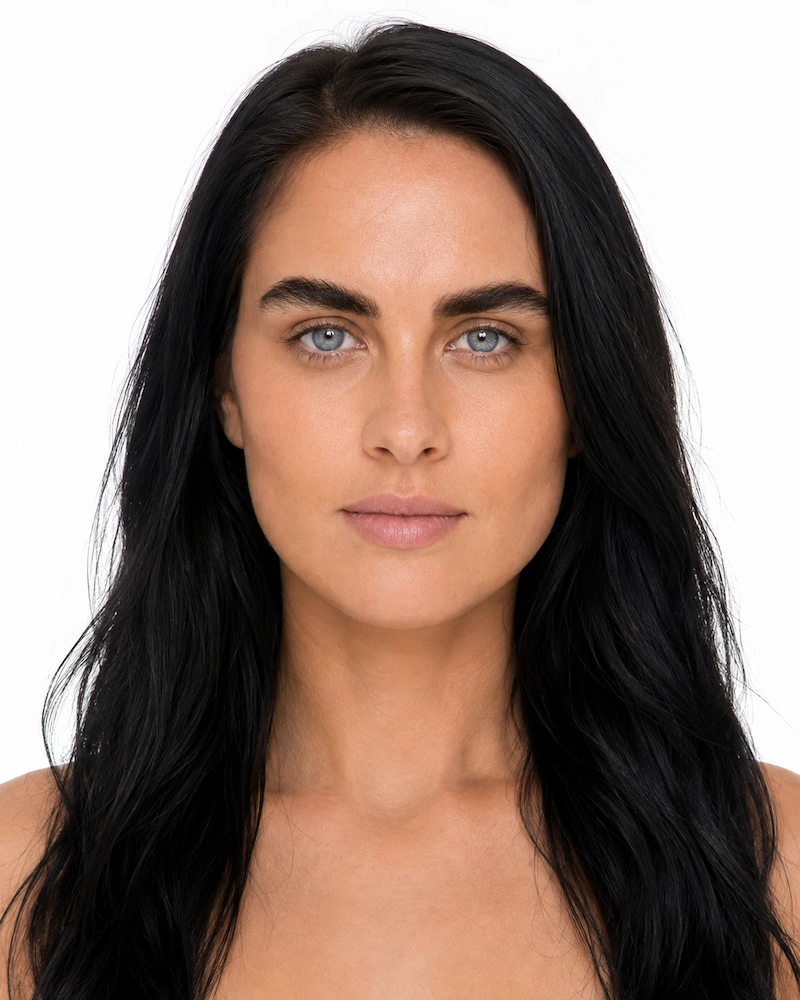
F-0002 NADYA
€ 6,99 -
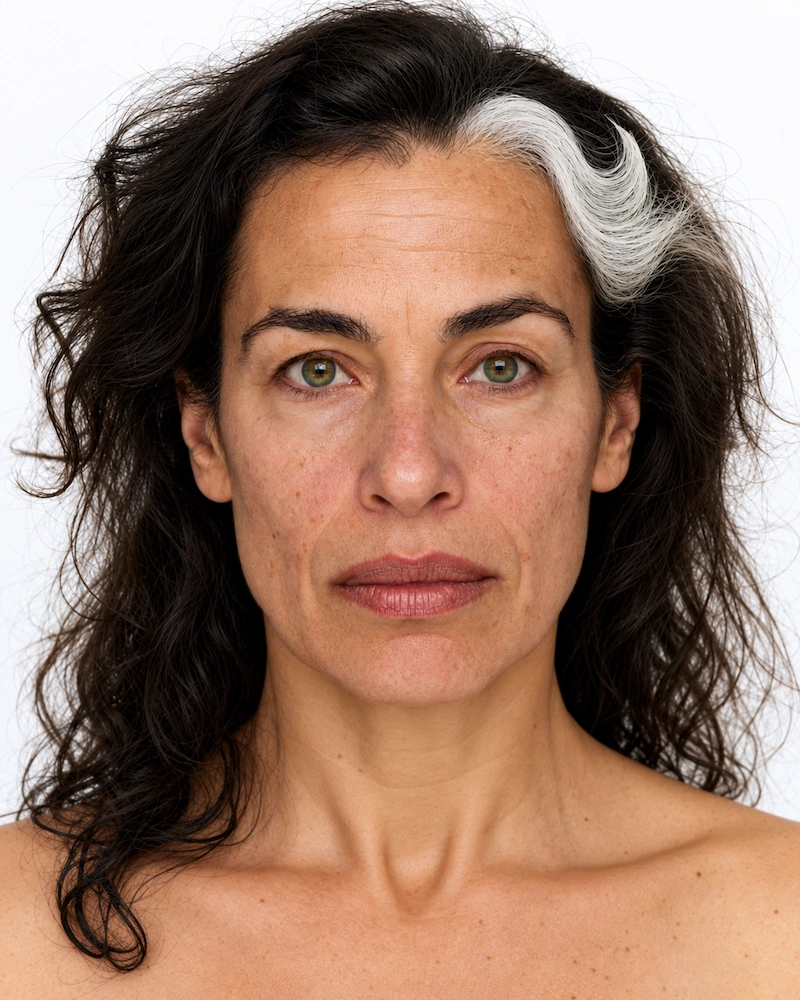
F-0005 SOFIA
€ 6,99 -
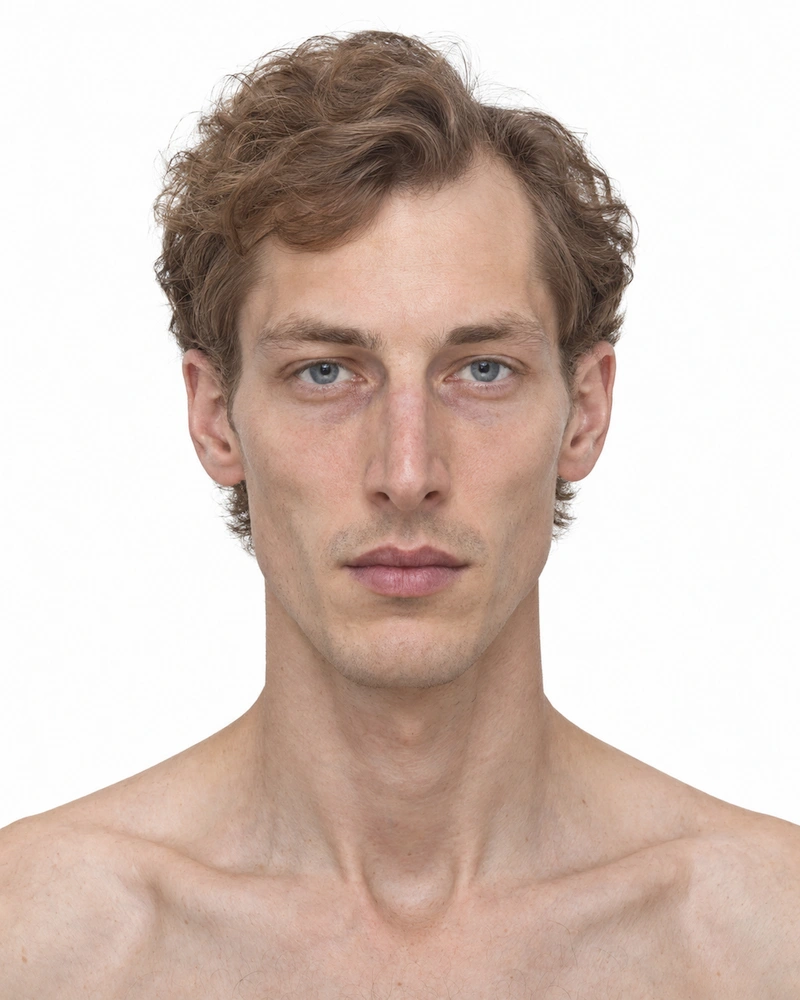
M-0002 ELIAS
€ 6,99