Sometimes the hardest part of making an AI video is not the generation.
It is the idea.
You open your video tool, type a prompt, and end up with something technically impressive but creatively forgettable.
A beautiful person walking through a city.
A fashion model in dramatic light.
A cinematic close-up.
These can look good, but they often feel interchangeable.
A stronger starting point is to begin with the character.
Who are they?
What do they do?
What kind of world do they belong in?
What makes them visually distinctive?
Once you have a compelling character, the scenes often become much easier to imagine.
That is especially useful in generative video, where a recurring character can be reused across different locations, moods, genres and stories.
Here are 20 AI character ideas designed to spark more interesting video projects.
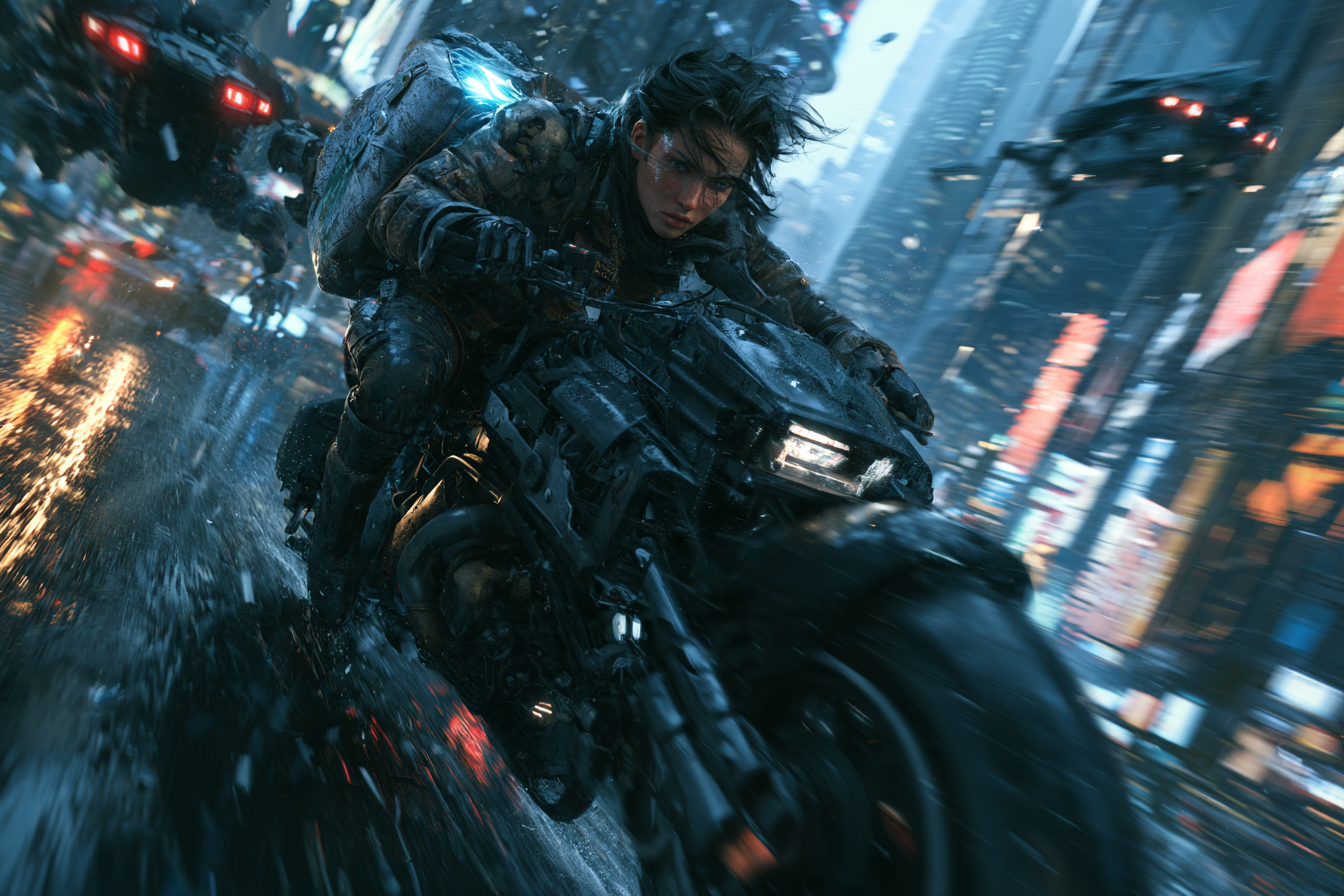
1. The Futuristic Courier
A lone courier moves through a dense megacity delivering mysterious packages to clients who never reveal their identities.
Visually, this character can combine:
- Utility clothing
- Worn technology
- Reflective materials
- Practical bags and straps
- A recognizable jacket or helmet
Possible scenes:
- Running through neon alleyways
- Riding an autonomous train
- Delivering a package to a luxury tower
- Hiding from surveillance drones
- Crossing an empty city at dawn
This concept works well because the character has a clear occupation, visual language and built-in sense of movement.
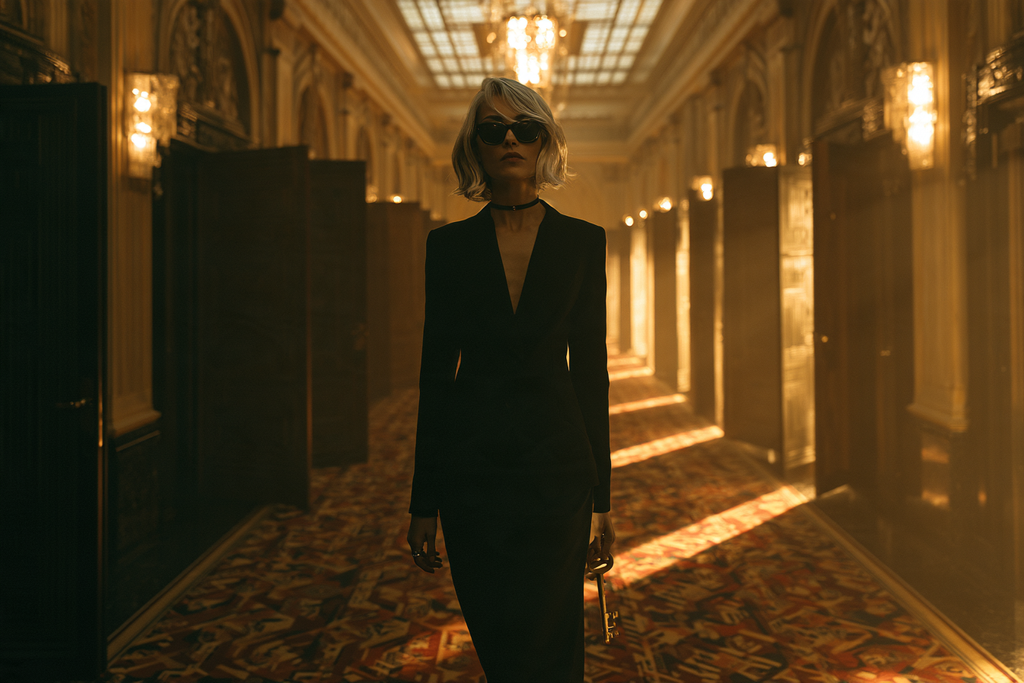
2. The Eccentric Hotel Guest
Imagine a recurring character who appears in increasingly unusual luxury hotels.
They could be:
- An elderly socialite
- An eccentric artist
- A mysterious millionaire
- A former actor
- A glamorous traveler who never seems to check out
The fun comes from contrast.
Place the same character in:
- A grand European hotel
- A desert resort
- A futuristic space hotel
- A strange roadside motel
- An underwater suite
A single character can generate an entire series.
3. The Retired Spy
A former intelligence operative is trying to live a quiet life.
Unfortunately, their old life keeps returning.
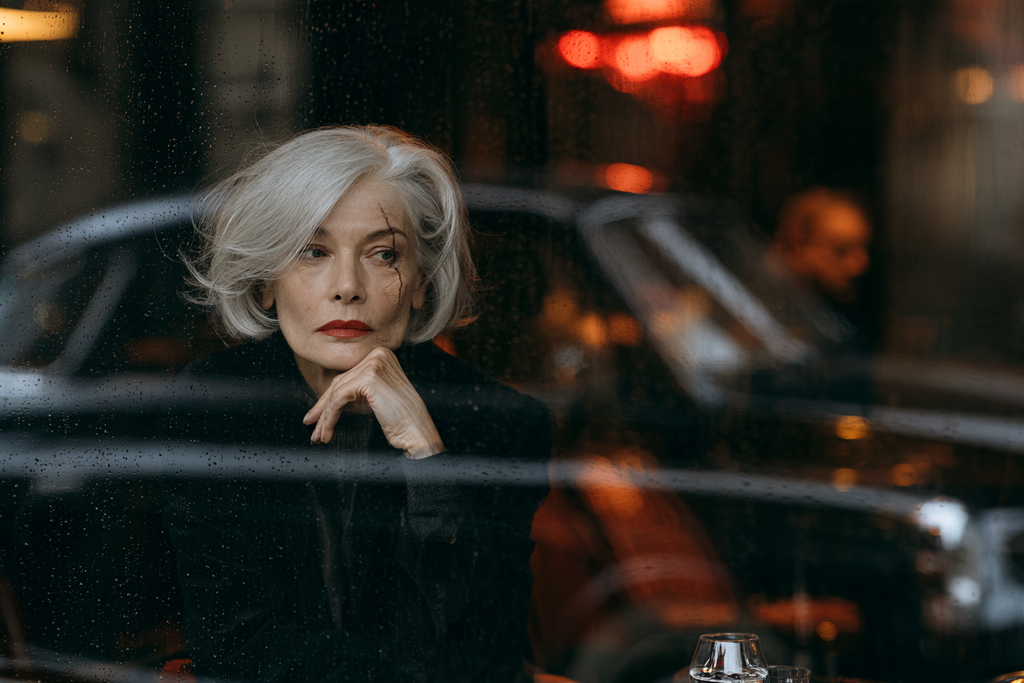
This character works especially well with a mature face, strong visual presence and understated styling.
Possible scenes include:
- Drinking coffee alone in a quiet café
- Recognizing someone from across the street
- Opening an old lockbox
- Driving through rain at night
- Returning to an abandoned safe house
The concept naturally supports suspense and cinematic storytelling.
4. The Underground Musician
Instead of another polished pop star, build a musician with a stronger subculture.
They might be:
- An experimental electronic producer
- A punk singer
- A jazz saxophonist
- An underground rapper
- A noise artist
- A mysterious club DJ
Give them a specific visual world.
Think:
- Basement venues
- Rehearsal spaces
- Night buses
- Backstage corridors
- Independent record shops
- Rooftops after a show
This works particularly well for short-form music-driven AI video.
5. The Mysterious Traveler
A character who is always arriving somewhere but never explains where they came from.
They could appear:
- Stepping off a night train
- Arriving at a desert bus station
- Walking through an airport at 3 a.m.
- Entering a remote mountain village
- Checking into a nearly empty hotel
The lack of explanation is part of the appeal.
You do not need a complicated plot.
The atmosphere becomes the story.
6. The Unconventional Fashion Character
Instead of creating a stereotypical model, build someone with a more specific visual identity.
For example:
- A 60-year-old woman with silver hair and severe tailoring
- A broad-built man in delicate couture
- A heavily freckled character in futuristic minimalism
- A character with unusual facial asymmetry and high-fashion styling
This is an excellent way to make AI fashion videos feel less generic.
The contrast between distinctive casting and polished styling creates stronger visual impact.
7. The Night-Shift Worker
Some of the best characters come from ordinary jobs placed in cinematic situations.
Imagine:
- A night receptionist
- A late-shift cleaner
- A security guard
- A taxi driver
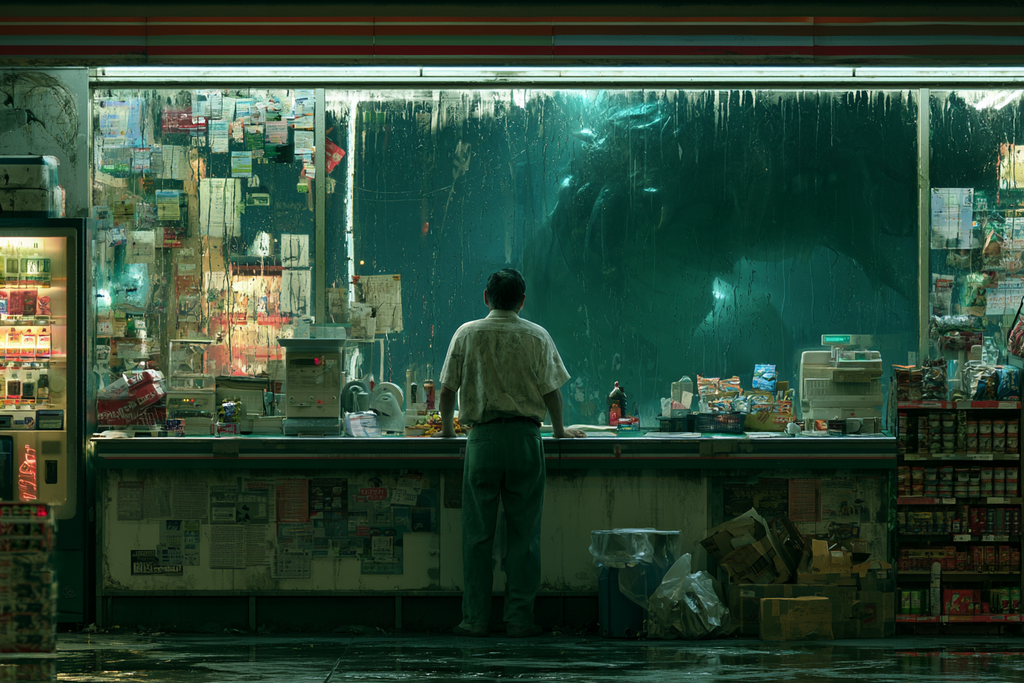
- A convenience-store worker
Then make the environment unusual.
A hotel lobby at 4 a.m.
An empty airport.
A deserted corporate tower.
A city where everyone else has disappeared.
Ordinary occupations can become compelling when the setting changes.
8. The Aging Action Hero
Instead of the typical young action protagonist, build a character in their fifties, sixties or seventies.
They might be:
- A retired stunt performer
- A former bodyguard
- An ex-racer
- A veteran detective
This immediately creates more visual history.
Wrinkles, posture, scars, gray hair and controlled movement can communicate experience before the character says anything.
9. The Failed Magician
A former stage magician now performs in small venues, cheap hotels and forgotten theaters.
Visually, this gives you:
- Old suits
- Vintage props
- Stage curtains
- Empty auditoriums
- Backstage mirrors
- Faded glamour
You can play the concept seriously, humorously or surrealistically.
Perhaps the tricks suddenly start becoming real.
10. The Desert Mechanic
A mechanic runs a tiny garage in the middle of nowhere.
The character might be:
- Sun-worn
- Practical
- Quiet
- Visually distinctive
- Surrounded by old vehicles and strange machines
Possible videos:
- Repairing a futuristic motorcycle
- Watching a storm approach
- Meeting a mysterious traveler
- Driving through empty desert roads
- Finding something hidden inside an abandoned vehicle
This character works because the environment is instantly cinematic.
11. The Luxury Hotel Detective
A sharply dressed investigator works only inside high-end hotels.
Each video can take place in a new property.
Possible scenes:
- Following someone through a marble lobby
- Watching guests from a cocktail bar
- Searching an empty suite
- Riding a mirrored elevator
- Discovering a hidden room
This concept combines fashion, architecture and mystery — all areas where AI video can create striking visuals.
12. The Forgotten Movie Star
An aging actor who was once famous but has largely disappeared from public life.
This character gives you a strong emotional and visual concept.
Scenes might include:
- Watching one of their old movies alone
- Returning to an abandoned studio
- Preparing for a small comeback role
- Being recognized by a stranger
- Walking a red carpet that may be real or imagined
It is a good example of how age and backstory can make a character more interesting than surface-level beauty.
13. The Deep-Sea Researcher
A scientist lives alone in an underwater research station.
The visual possibilities are immediate:
- Blue-green light
- Pressure windows
- Strange marine life
- Industrial interiors
- Isolation
- Emergency systems
Your character could be calm and analytical — until something appears outside the glass.
This works well for slow, atmospheric AI video.
14. The Small-Town Conspiracy Theorist
A seemingly ordinary character is convinced something strange is happening in their town.
Maybe they are wrong.
Maybe they are not.
Scenes could include:
- Photographing strange lights
- Mapping locations on a bedroom wall
- Following an unmarked vehicle
- Waiting at an empty gas station
- Discovering an abandoned facility
The character can be humorous, serious or unsettling depending on the tone.
15. The Future Archaeologist
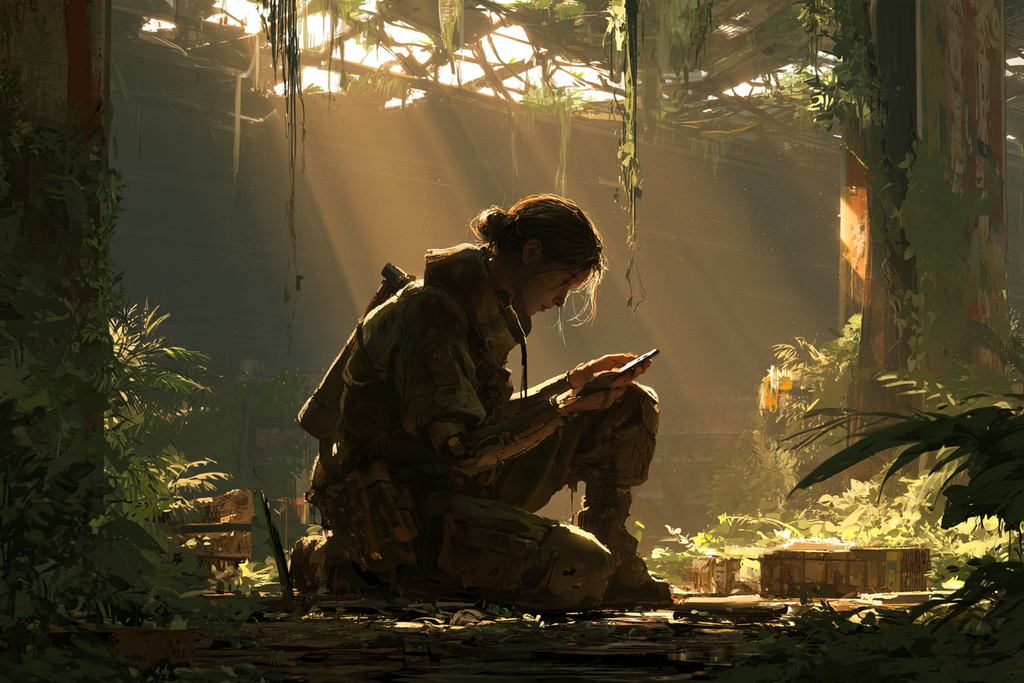
Instead of exploring ancient ruins, this character studies objects from our present day.
Imagine someone in the distant future discovering:
- A smartphone
- A supermarket
- A petrol station
- A subway map
- A fast-food restaurant
Treat ordinary modern objects as mysterious artifacts.
This concept is visually creative and gives familiar environments a completely different tone.
16. The Runaway Heiress
A wealthy character abandons an extremely controlled life and disappears.
The visual contrast creates the story.
Start with:
- Luxury interiors
- Formal clothing
- Chauffeured cars
- Private events
Then move toward:
- Cheap motels
- Train stations
- Roadside diners
- Beaches
- Unfamiliar cities
The same character can move through dramatically different worlds while maintaining a clear narrative arc.
17. The Analog Photographer
A photographer refuses modern technology and travels with old cameras, notebooks and physical film.
This is useful because the character already has strong visual props.
Possible scenes:
- Photographing strangers in the rain
- Working in a darkroom
- Traveling by train
- Searching for a specific location
- Developing a photograph containing something unexpected
The character can exist in the present day, the past or an alternative timeline.
18. The Quiet Bodyguard
A character whose job is to remain unnoticed until they are needed.
This could be an understated, elegant figure rather than a stereotypical action hero.
Scenes:
- Standing behind a celebrity at an event
- Watching a restaurant entrance
- Escorting someone through a crowd
- Waiting outside a hotel room
- Quietly recognizing danger before anyone else
This concept works well with subtle expressions and controlled body language.
19. The Last Person at the Party
The entire video begins after the event is already over.
One character remains.
They walk through:
- Empty rooms
- Abandoned glasses
- Confetti
- Flashing lights
- Silent corridors
Who are they?
Why are they still there?
Maybe they hosted the party.
Maybe they were never invited.
Maybe everyone disappeared.
This is a simple concept that can create visually rich, atmospheric content without requiring a complicated narrative.
20. The Character Who Appears in Every Era
This is one of the best concepts for showing the power of a consistent AI character.
Take the same person and place them in:
- Ancient Rome
- 1920s Paris
- 1970s New York
- Present-day Tokyo
- A city in 2150
The identity remains the same.
Everything else changes.
Wardrobe.
Hair styling.
Architecture.
Cinematography.
Technology.
This concept is particularly useful for demonstrating character consistency because the audience immediately understands the creative challenge:
Can this still feel like the same person across completely different worlds?
How to Turn a Character Idea Into a Video Concept
Once you find a character you like, do not immediately write one giant prompt.
Build the concept in layers.
Start with four questions:
Who Are They?
Define the core identity.
For example:
A retired intelligence officer in her early sixties who appears calm but is constantly observing her surroundings.
What Do They Look Like?
Choose a few strong visual traits.
For example:
- Short silver hair
- Narrow face
- Strong nose
- Dark tailored clothing
- Small scar near the eyebrow
Where Are They?
Choose an environment that supports the character.
For example:
A quiet European hotel lobby late at night.
What Is Happening?
Give the scene one clear action.
For example:
She notices another guest placing a familiar object on the reception desk.
Now you have a scene.
That is much stronger than simply prompting:
“Cinematic woman in hotel.”
Build Characters You Can Reuse
The best character ideas are not limited to one video.
Ask whether the concept can support:
- Multiple locations
- Different outfits
- Different moods
- Different genres
- Recurring storylines
A good character becomes a creative engine.
The mysterious traveler can appear in twenty cities.
The hotel detective can investigate twenty hotels.
The underground musician can perform in twenty venues.
The future archaeologist can discover twenty familiar objects.
This is where reusable AI characters become especially valuable.
Instead of generating a new anonymous person for every piece of content, you build recognition around the same identity.
That aligns closely with Refera’s core concept: a character should be designed as a reusable visual identity rather than a single attractive image.
Avoid Making Every Character Young, Beautiful and Perfect
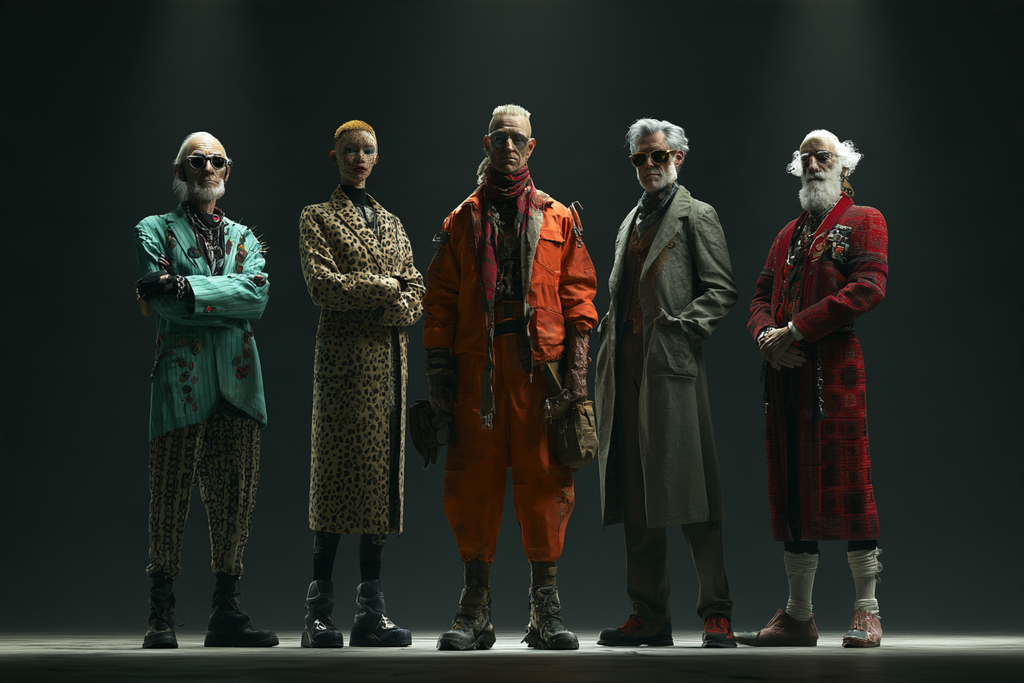
If all twenty ideas become conventionally attractive 25-year-old models, you lose much of the creative opportunity.
Experiment with:
- Age
- Build
- Facial structure
- Hair
- Skin characteristics
- Style
- Personality
A retired spy should not automatically look like a fashion influencer.
A desert mechanic should feel different from a luxury-hotel detective.
A character’s appearance should support the concept.
Refera’s catalog philosophy deliberately embraces meaningful visual diversity across age, appearance, skin tone, hair, body type and creative style.
The same principle can make your AI videos far more interesting.
Character First, Prompt Second
AI video tools make it tempting to think primarily in prompts.
But the strongest ideas often begin somewhere else.
Start with the person.
Give them:
- An identity
- A job
- A personality
- A visual style
- A world
- A reason to be there
Then decide what the camera sees.
This creates more intentional results.
Instead of generating random scenes and hoping something interesting appears, you are directing a character through a world.
That is much closer to filmmaking.
Final Thoughts
You do not need a complicated screenplay to create an interesting AI video.
Sometimes one strong character is enough.
A futuristic courier.
A retired spy.
An eccentric hotel guest.
A forgotten movie star.
A night-shift worker.
A mysterious traveler.
Once the character feels specific, the situations start writing themselves.
The key is to avoid creating only a visually attractive person.
Give them something more.
A role.
A point of view.
A recognizable appearance.
A reason for the audience to wonder what happens next.
Because the best AI character is not necessarily the one that produces the prettiest first frame.
It is the one that makes you want to generate the second scene.
Find Your Next Character
Refera Studios creates distinctive fictional characters designed for reusable AI image and video workflows.
Instead of inventing a new face for every project, choose a recognizable character and place them into your own worlds, stories and productions.
Pick the cast.
Change the world.
Create the story.
Discover → Purchase → Create.
Products by Category
-

M-0001 LEO
€ 6,99 -

F-0004 ZURI
€ 6,99 -

M-0007 IDRIS
€ 6,99 -

F-0001 AVA
€ 6,99 -
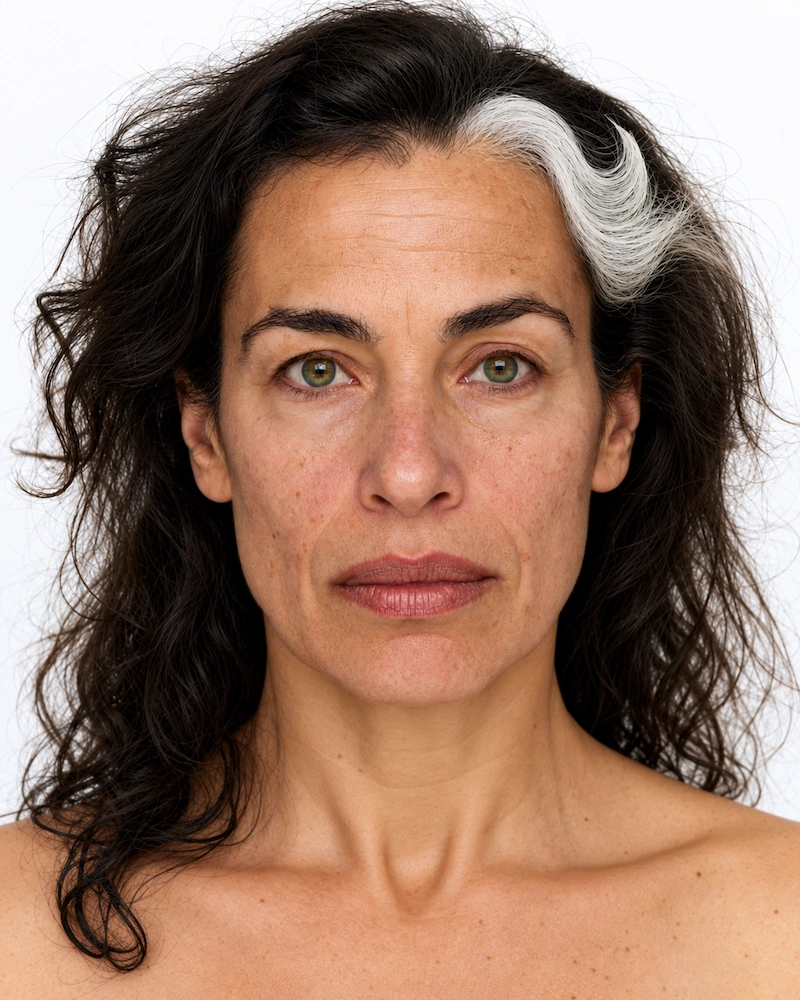
F-0005 SOFIA
€ 6,99 -

M-0002 ELIAS
€ 6,99 -
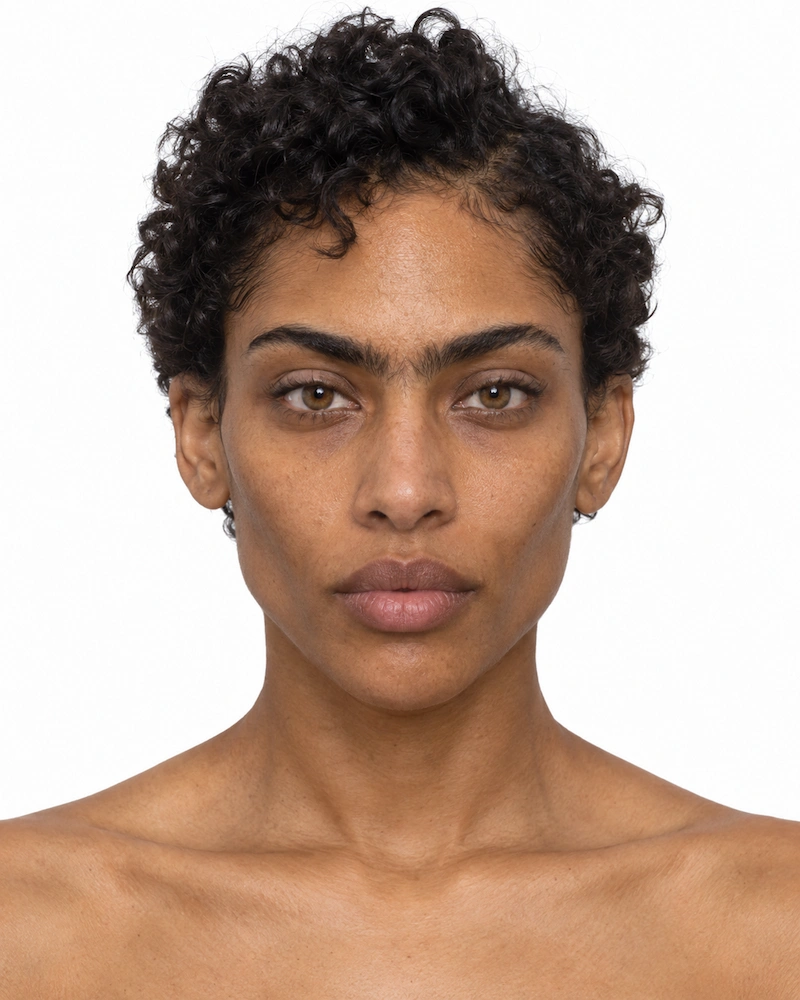
F-0020 NYX
€ 6,99 -

M-0003 MALIK
€ 6,99 -

M-0004 ARUN
€ 6,99