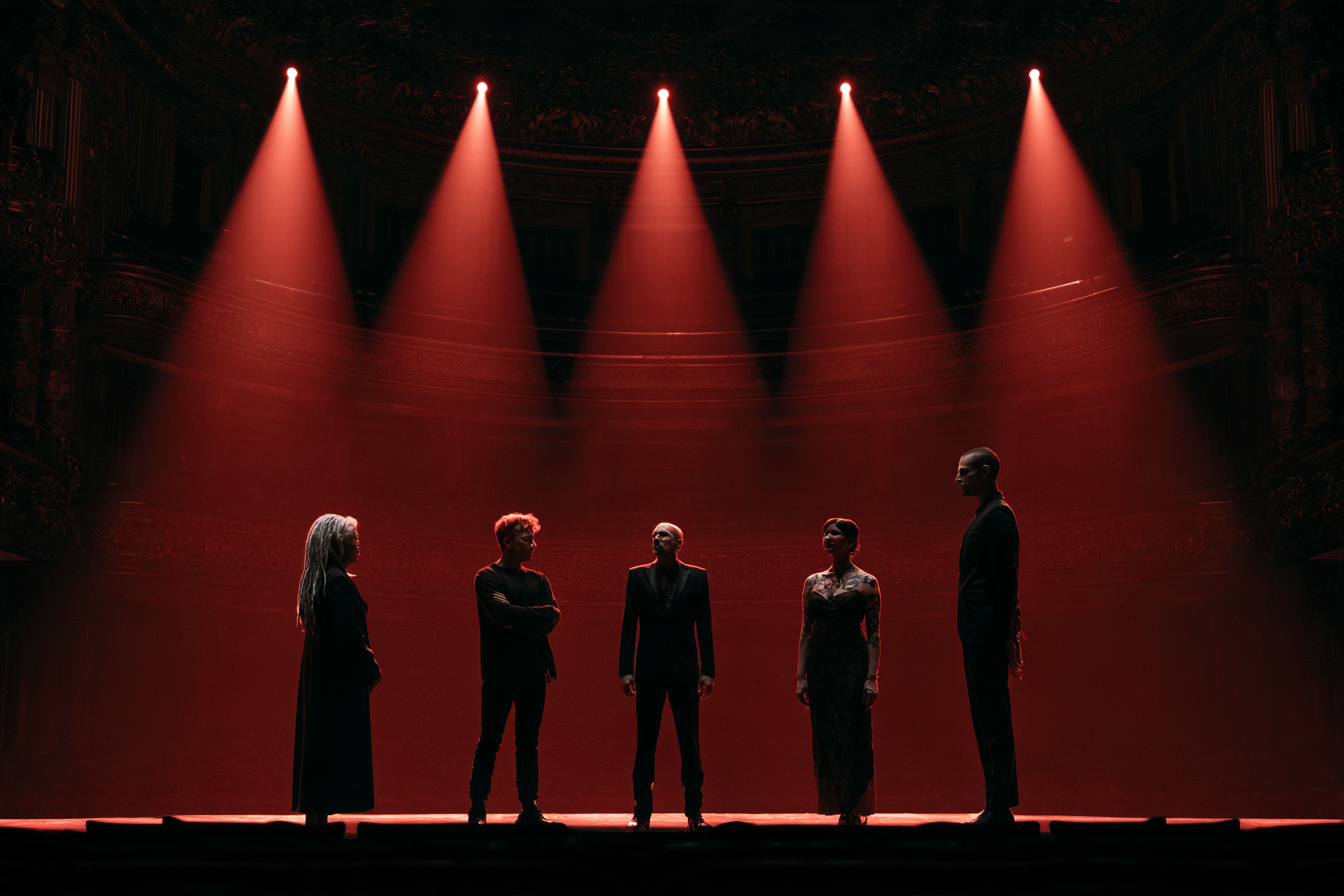
AI makes it incredibly easy to generate people.
That is useful.
It is also a creative trap.
Ask for “a stylish young woman in cinematic lighting” and you will probably get something polished.
Ask for “an attractive man in a luxury hotel” and the result may look equally impressive.
But if you generate fifty variations, a problem starts to appear.
They begin to blend together.
The faces are attractive, but familiar.
The styling is polished, but interchangeable.
The characters look good individually, yet very few of them feel like people you would actually remember.
This is the difference between generating a person and designing a character.
A distinctive AI character needs more than technical quality.
They need:
- Recognizable facial features
- Clear age and physical identity
- A memorable silhouette
- Intentional hair and styling
- Accessories with purpose
- Personality
- Small imperfections
- A visual point of view
The good news is that you do not need to make a character extreme or bizarre.
Often, small decisions are enough.
Here is how to move from generic to memorable.
Start With Identity, Not Beauty
One of the easiest ways to create a generic character is to optimize only for attractiveness.
Perfect symmetry.
Smooth skin.
Idealized proportions.
Defined cheekbones.
Perfect hair.
There is nothing wrong with beauty.
The problem is that beauty alone does not create identity.
If every character is designed around the same narrow visual ideal, they become difficult to distinguish from one another.
A better first question is:
What makes this person visually specific?
That could be:
- A broad jaw
- Wide-set eyes
- A narrow face
- Heavy brows
- A prominent nose
- A small chin
- Freckles
- Vitiligo
- A distinctive hairline
- A gap between the teeth
- Natural asymmetry
You do not need all of these.
One or two strong anchors can be enough to make the face feel individual.
At Refera Studios, this is a core part of the character philosophy: characters are designed around distinct facial anatomy, body proportions, skin characteristics and subtle imperfections rather than aiming for hundreds of near-identical “perfect AI influencer” faces.
Change the Face Shape First
Face shape has enormous influence on identity.
Many generic AI characters converge around similar proportions.
You can create more differentiation by deliberately exploring:
- Long faces
- Round faces
- Square jaws
- Narrow jaws
- Broad foreheads
- Heart-shaped faces
- Strong chins
- Softer lower faces
Even before you add more detail, changing the overall facial structure can dramatically alter how recognizable a character feels.
A useful exercise is to compare characters in grayscale or under neutral lighting.
If they still look clearly different, the anatomy is doing real work.
If the only difference is makeup or clothing, the underlying identities may still be too similar.

Use Age as a Design Tool
AI generation often defaults toward youth.
That can make casts feel visually narrow.
Age is one of the easiest ways to create more distinctive characters.
A character in their twenties communicates different visual information from someone in their forties, sixties or seventies.
Age affects:
- Skin texture
- Facial volume
- Hair
- Jaw definition
- Posture
- Expression
- Styling
- Overall presence
It can also suggest story immediately.
A 68-year-old woman in a leather racing jacket creates a different set of questions than a 23-year-old wearing the same thing.
Why is she dressed that way?
Who is she?
What has she done?
That curiosity is valuable.
Refera’s catalog structure is deliberately designed to support broad age ranges rather than treating young adults as the only useful character category.
Give Hair a Purpose
Hair is one of the strongest visual signals in character design.
But it should not simply be “nice hair.”
Think about shape.
Length.
Texture.
Volume.
Hairline.
Condition.
Styling.
A character with:
- A sharp buzz cut
- Heavy curls
- Long silver hair
- Braids
- Locs
- A blunt fringe
- An uneven homemade haircut
can become recognizable immediately.
Hair also communicates personality.
A tightly controlled hairstyle can suggest precision.
Messy hair can suggest energy, exhaustion or carelessness.
A bold cut can suggest confidence.
Long, carefully maintained hair can imply a very different lifestyle.
The important thing is to make hair part of the character, not just decoration.
Avoid Overusing the Same “Perfect” Features
One reason AI-generated characters can feel repetitive is that certain facial features appear again and again.
For example:
- Small straight nose
- Large symmetrical eyes
- High cheekbones
- Full lips
- Smooth skin
- Perfect jawline
Those features may be attractive.
But if every character has them, they stop communicating individuality.
Try deliberately varying one feature at a time.
For example:
Character A: Strong nose, narrow lips, heavy brow
Character B: Round face, close-set eyes, soft jaw
Character C: Long face, high forehead, wide mouth
Character D: Broad jaw, small eyes, distinctive cheek structure
You do not need radical differences.
You need enough variation that each face has its own internal logic.
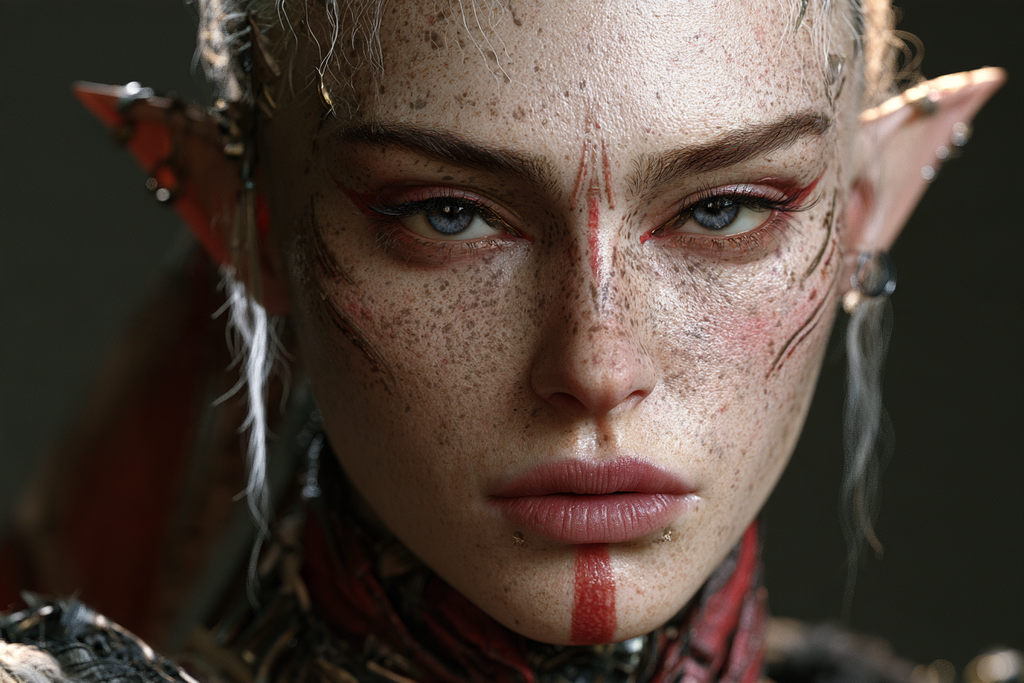
Let Imperfections Stay
Generative AI often encourages creators to polish away everything irregular.
But irregularity is often what makes a character believable.
Subtle asymmetry can help.
So can:
- Moles
- Freckles
- Uneven teeth
- Scars
- Skin texture
- Age lines
- Uneven brows
- Slightly crooked noses
These details create identity anchors.
They also make a character feel less like a visual average produced by a model.
Refera’s own product quality principles explicitly value realistic anatomy and subtle natural asymmetry where appropriate, because these characteristics can strengthen realism and recognizability.
The goal is not to add flaws for the sake of novelty.
The goal is to stop removing every sign of individuality.
Think About Body Type and Silhouette
A character is more than a face.
Body shape can contribute just as much to recognizability.
Think about:
- Height
- Shoulder width
- Build
- Leg length
- Posture
- Overall silhouette
A very tall, lean character feels different from a compact, muscular one.
A curvy silhouette creates a different visual impression from a narrow one.
A character with broad shoulders and relaxed posture communicates something different from one who is small and rigid.
This matters especially in video.
Characters are not always shown in close-up.
They may appear:
- Walking through a hallway
- Crossing a street
- Standing in a wide shot
- Seen from behind
- Framed in silhouette
A strong character should still feel recognizable in those situations.
Use Styling to Reinforce Personality
Clothing can either strengthen a character or replace them.
If a character is only recognizable because they always wear the same red coat, that is fragile design.
A better approach is to create a styling language.
Ask:
- Do they prefer structured or relaxed clothing?
- Minimal or expressive?
- Vintage or contemporary?
- Practical or luxurious?
- Dark or colorful?
- Tailored or oversized?
For example, a character might consistently gravitate toward:
- Muted tailoring
- Vintage sportswear
- Minimal black clothing
- Statement jewelry
- Workwear
- Soft knitwear
- Experimental fashion
The exact outfit can change.
The taste remains coherent.
That makes the character feel like someone who makes choices rather than a mannequin wearing random clothes.

Accessories Should Tell You Something
Accessories are useful because they can quickly communicate personality.
But they work best when they feel intentional.
Consider:
- Glasses
- Jewelry
- Watches
- Scarves
- Bags
- Headwear
- Tattoos
- Gloves
Ask why the character wears them.
Do the glasses suggest intellectualism, eccentricity or practicality?
Is the jewelry delicate or aggressive?
Does the watch look expensive, old, functional or sentimental?
Accessories can make a character more memorable, but they should support identity rather than become a gimmick.
Give the Character a Personality Before You Animate Them
A strong visual character often begins with a simple personality concept.
You do not need a full screenplay.
Try defining the character in three words.
For example:
Precise. Detached. Elegant.
Or:
Restless. Curious. Warm.
Or:
Confident. Chaotic. Funny.
Then ask how those traits affect:
- Posture
- Expression
- Clothing
- Hair
- Accessories
- Color choices
- Movement
Personality gives visual design direction.
Without it, character creation can become a random combination of attractive traits.
With it, the choices begin to feel connected.
Create Contrast Between Characters
If you are designing multiple AI characters, do not evaluate them only one at a time.
Put them together.
Ask:
- Are their face shapes different?
- Are their ages varied?
- Are their builds distinct?
- Do they have different hair?
- Do they feel like different personalities?
- Can I identify each one quickly?
A catalog becomes much stronger when every character occupies a different visual space.
This is one reason Refera’s product quality principles require each character to be clearly distinguishable from the others in the catalog.
Think like a casting director.
A good cast does not look like twenty versions of the same person.

Test the Character Without the Styling
A useful exercise is to strip the character back.
Remove:
- Dramatic clothes
- Accessories
- Heavy makeup
- Complex lighting
Now look at the face and body.
Is the character still distinctive?
If yes, the identity is strong.
If no, you may be relying too heavily on styling.
This matters because clothing and accessories will often change during production.
The underlying identity should survive.
Test the Character Across Different Scenes
A truly distinctive character should work outside the hero portrait.
Try placing them in:
- Daylight
- Low light
- Formal clothing
- Casual clothing
- Close-up
- Profile
- Full-body
- Different environments
If they remain recognizable, you have a strong foundation.
If they seem to become a new person every time the styling changes, the design may still be too generic.
Build for Recognition, Not Just First Impressions
This is an important shift.
A first impression asks:
“Does this image look impressive?”
Recognition asks:
“Would I know this person if I saw them again?”
For recurring AI characters, the second question matters more.
A character might appear in:
- Multiple videos
- Different campaigns
- Different outfits
- Different genres
- Different locations
The audience should still recognize them.
That is what makes a character reusable.
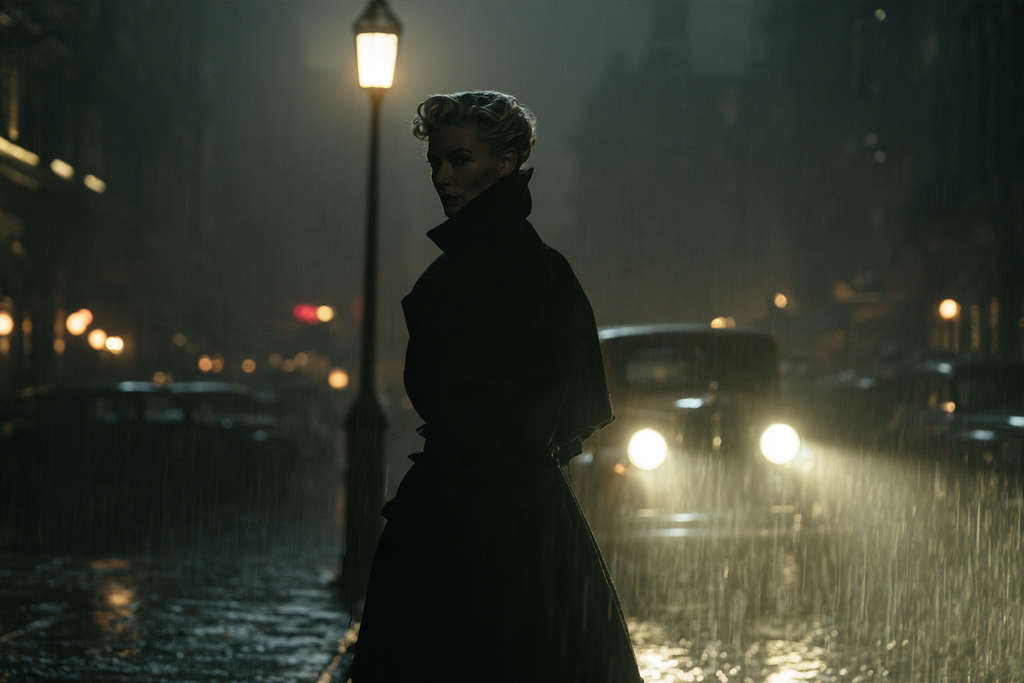
A Simple Character Design Formula
A practical formula is:
Face + Age + Hair + Silhouette + Styling + Personality + Imperfection
For example:
Face: Long face, heavy brows, strong nose
Age: Mid-40s
Hair: Short silver curls
Silhouette: Tall, narrow build
Styling: Minimal tailoring and vintage jewelry
Personality: Controlled, observant, dry sense of humor
Imperfection: Uneven smile and subtle crow’s feet
That already feels more specific than:
“Beautiful middle-aged woman.”
Specificity creates identity.
From Attractive to Iconic
The goal is not to make every character strange.
It is to make every character feel intentional.
A small change to:
- Nose shape
- Eye spacing
- Age
- Hair texture
- Posture
- Body type
- Styling
- Accessories
can completely change how memorable a character feels.
You do not need to redesign everything.
Often, the difference between generic and iconic is a handful of carefully chosen decisions.
Final Thoughts
AI can generate polished people almost instantly.
But memorable character design still requires creative judgment.
If you want to create a more distinctive AI character, focus on:
- Specific facial anatomy
- Age
- Hair
- Body type
- Silhouette
- Styling
- Accessories
- Personality
- Natural imperfections
- Contrast from other characters
Most importantly, stop asking only whether the character looks attractive.
Ask whether they feel identifiable.
Could you recognize them tomorrow?
Would they stand out in a group?
Would they still feel like the same person in different clothing, lighting and environments?
If the answer is yes, you are no longer just generating a face.
You are designing a character.
And that is the step that moves an AI person from generic to memorable.
Discover Distinctive AI Characters
Refera Studios creates fictional characters designed as recognizable, reusable identities rather than interchangeable AI faces.
Each character is built around distinct anatomy, visual personality and structured reference material for generative image and video workflows.
Different faces.
Different personalities.
Different stories.
Discover → Purchase → Create.
Products by Category
-
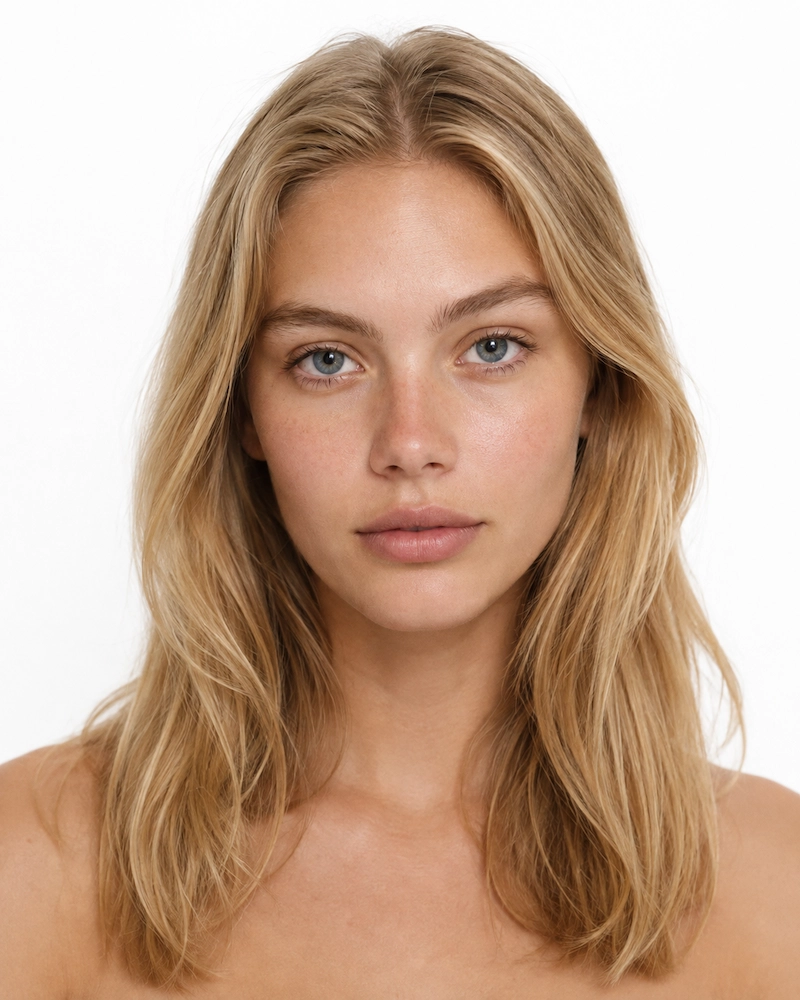
F-0001 AVA
€ 6,99 -
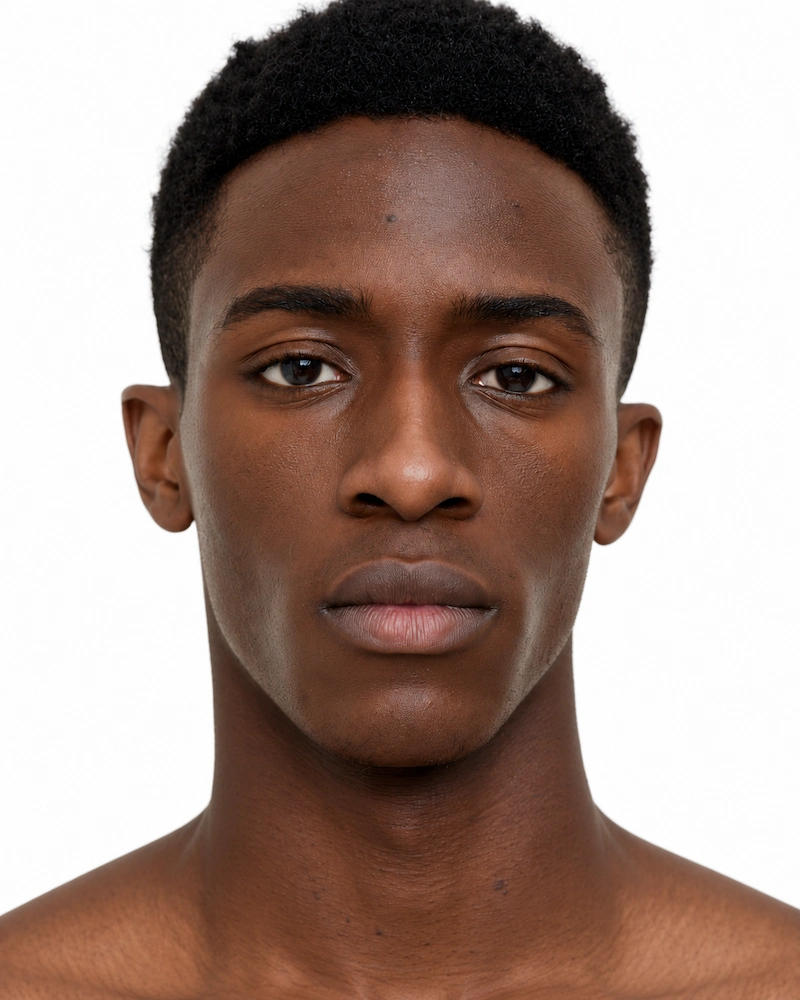
M-0003 MALIK
€ 6,99 -
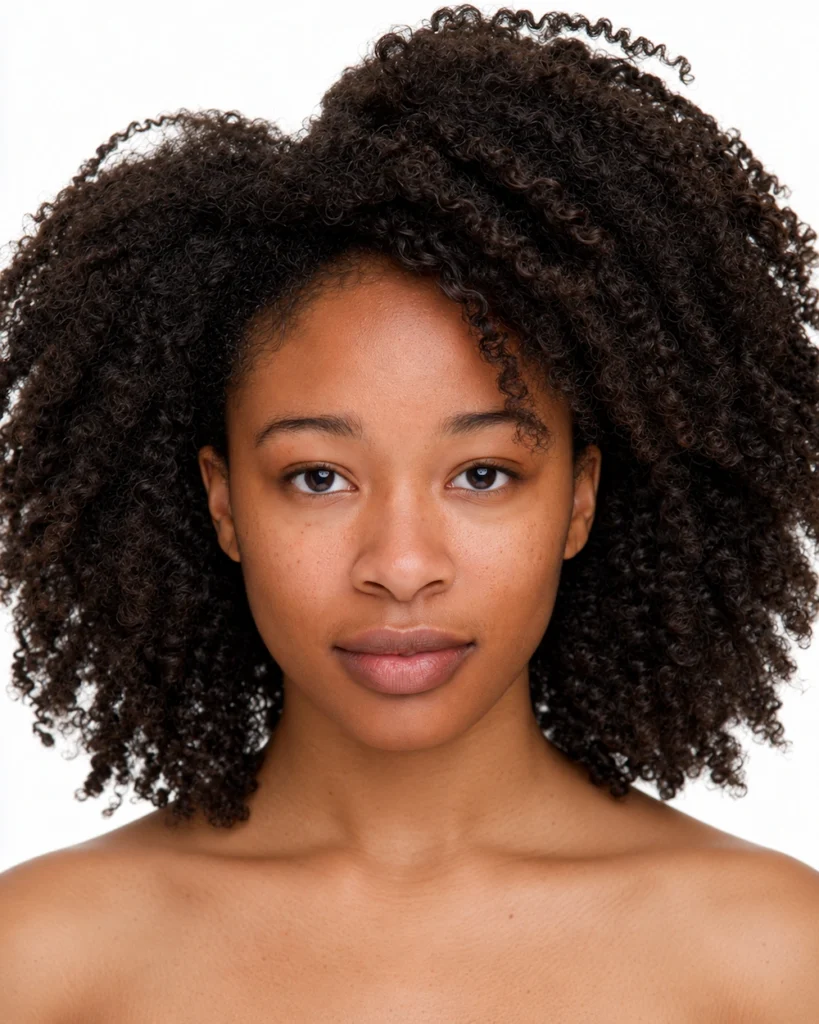
F-0004 ZURI
€ 6,99 -
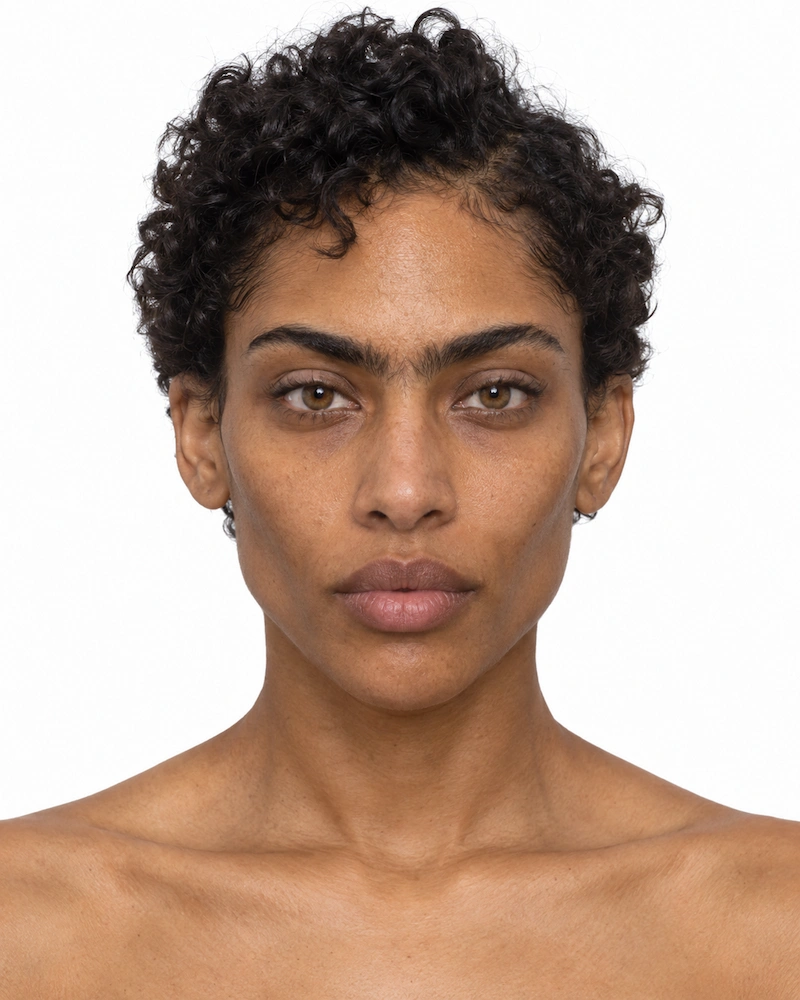
F-0020 NYX
€ 6,99 -
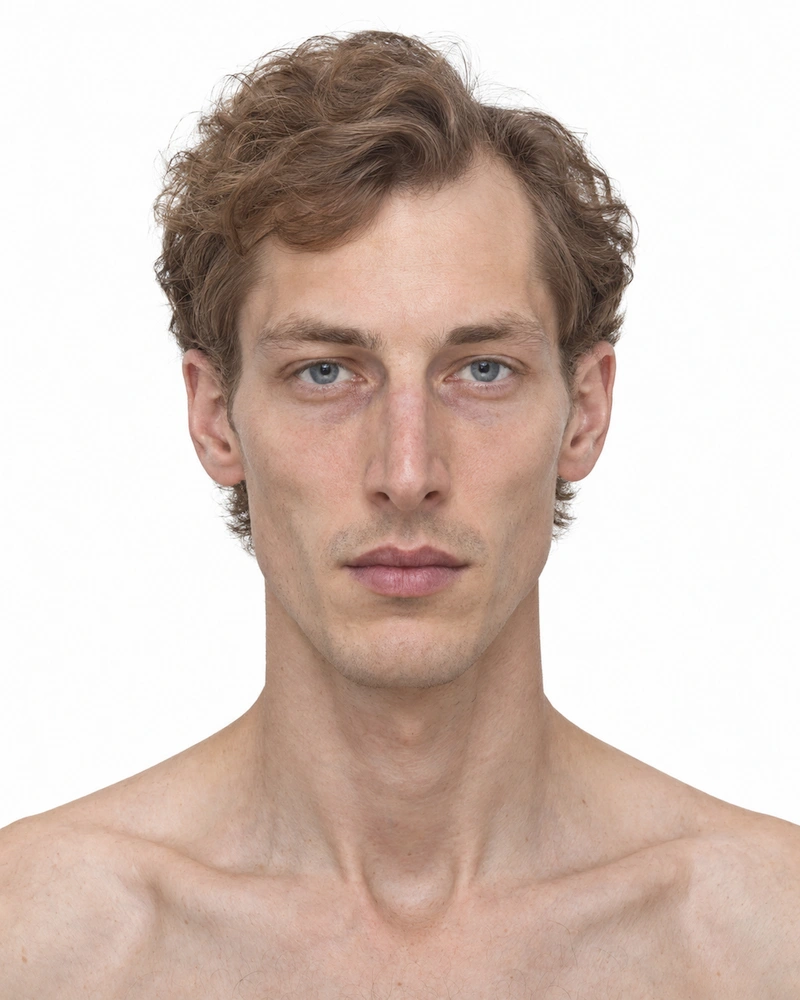
M-0002 ELIAS
€ 6,99 -
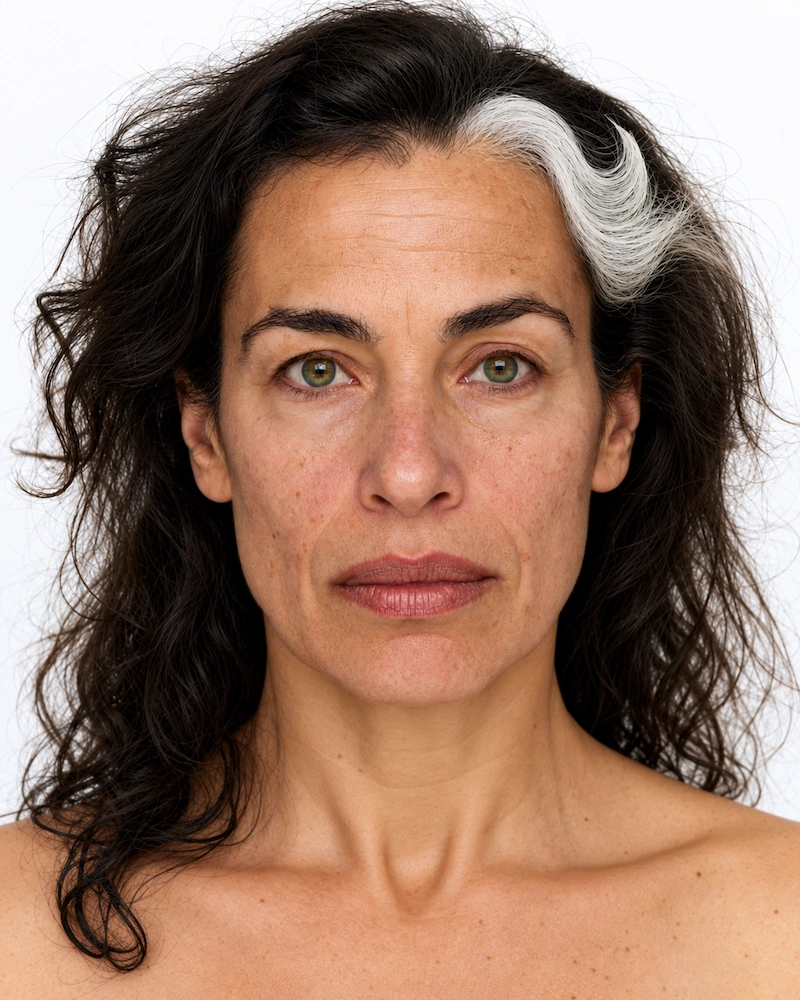
F-0005 SOFIA
€ 6,99 -
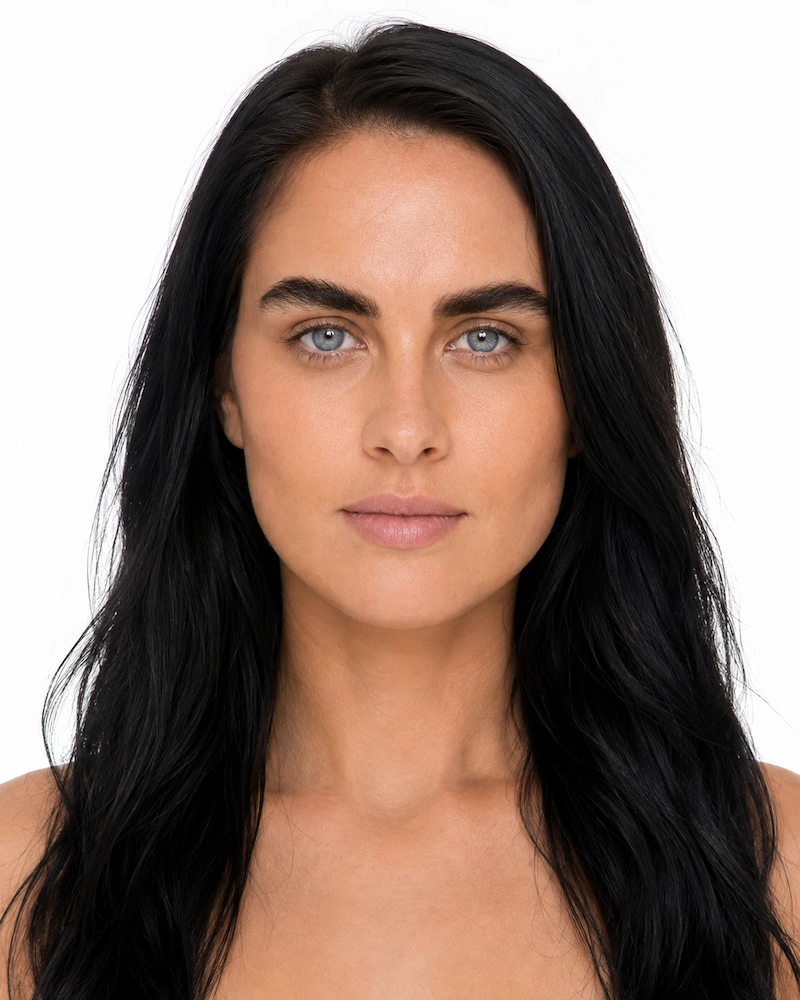
F-0002 NADYA
€ 6,99 -

M-0007 IDRIS
€ 6,99 -
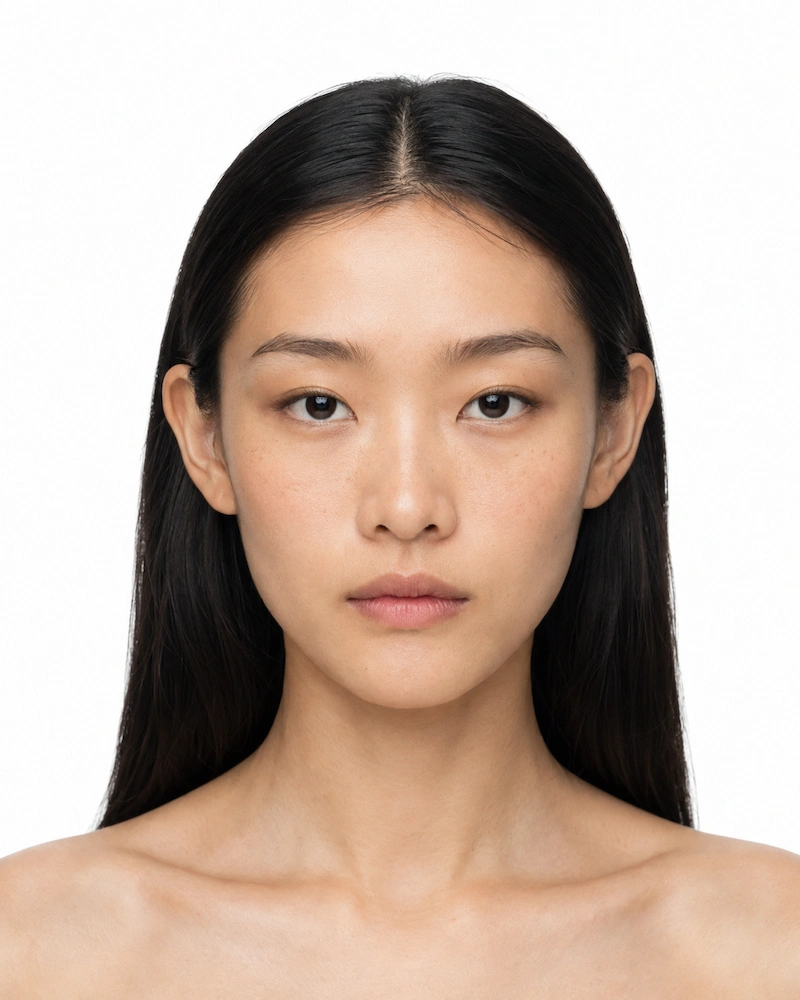
F-0003 MAYA
€ 6,99